Essentiality of aluminium and other critical minerals in the metals age
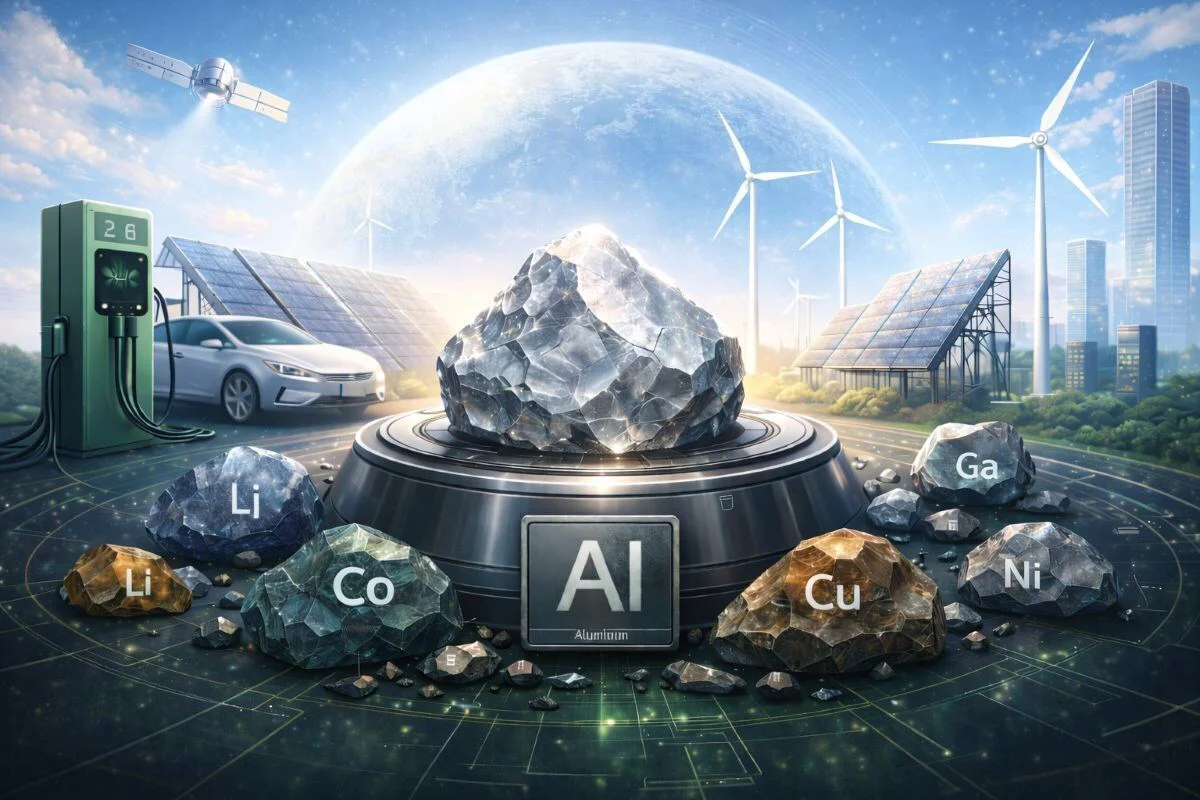
The U.S. Geological Survey (USGS) has updated the critical minerals list, which now contains 60 distinct materials, representing 80 per cent of the mined items on the periodic table. Some of these include nickel, copper and zinc. Exotic metals like gadolinium, praseodymium, and ytterbium have been added under the rare earth elements. Recognised as “vital for a modern American economy,” the spectrum of metals bears the potential to revolutionise their use.
Explore- Most accurate data to drive business decisions with 50+ reports across the value chain
The USGS comments that from aluminium to zirconium, these metals are found "essential for national security, economic stability and supply chain resilience." This reflects a subtle shift from the dogmatic tradition to a refined laboratory approach.
Aluminium as a critical mineral
Recognised as a critical mineral by the US in 2022, the EU in 2023 and the UK in 2025, aluminium has proved to be indispensable, being implemented in areas of defence, electric vehicles, frames of solar photovoltaic (PV) panels, and green energy technologies. Despite its abundance, it has drawn strategic focus on its supply chain and recycling.
In the defence sector, aluminium is used in the construction of missiles, airframes, ship hulls, UAVs, and radar systems. Its strength-to-weight ratio and corrosion resistance are massive advantages in the area. NATO lists it as an essential metal for defence supply chains.
Regarding Electric Vehicles, aluminium enables lightweight frames, battery enclosures, cooling systems, and motor housings. These enhance EV range and efficiency. Aluminium content is found more in EVs than in traditional cars by 25-27 per cent for these applications.
In solar PV Frames, aluminium comprises over 85 per cent of the mineral materials. Owing to their weather resistance, lightweight support, and recyclability, aluminium frames dominate this market. They have a long-term durability of 15-25 years, allowing for efficient rooftop installations.
In the green energy transition, aluminium powers wind electrolysers, turbines, hydroelectric plants, as well as transmission lines. The low-carbon "green" aluminium reduces emissions considerably, promoting these sustainable applications.
Also read: Aluminium to be recognised as both a critical and growth mineral in forthcoming UK strategy
The newly added metals have been categorised as per their roles and functions into three different groups.
Phoenix metals
Copper and tin, two of the oldest and traditional metals, have once more proved essential to modern technology. After being replaced by plastic fibre optics and eventual decline, both have found new roles. Presently, over half of tin is used in solder for circuit boards. Copper remains the most cost-effective electrical conductor for wiring electric vehicles, charging infrastructure and power systems.
Power metals
These have proved imperative in the phasing out process of fossil fuels and checking carbon emissions. Cobalt, lithium, manganese and nickel are key elements in this procedure. Like the use in EV by Tesla, lithium and other metallic cathode components reside at the heart of batteries in EV technology, largely contributing to the global green goals.
Spice metals
Applied in tiny quantities but with seminal transformative impact, these are grouped as “spice metals.” Minerals like silicon, germanium, iridium, palladium, titanium, etc. have exponential input spanning from the fields of technology to packaging. The U.S. military developed the Defence Advanced Research Projects Agency with the help of the spice metals. Super‑powerful gallium nitride chips enhance radar capability and boost drone-jamming capacity.
Metals age
Metals, known and unknown, are embedded in modern technology, contributing to its smooth functioning. A US study depicts that almost 78 per cent of American weapons systems rely mainly on five critical minerals, viz., antimony, gallium, germanium, tungsten or tellurium, most of which are predominantly produced by China, rendering a grave strategic risk for the Pentagon. It affects everyone due to the importance of the same minerals in daily life.
The need for Western countries to reduce this reliance on China has pushed critical minerals to the core of geopolitics, designing crucial international deals by US President Trump with resource-rich nations like Ukraine and the Democratic Republic of Congo. These reflect the growing value of critical minerals in the 21st century.
Must read: Key industry individuals share their thoughts on the trending topics

Europe’s primary aluminium output rose only 0.9% in 2025 - are CBAM and policy pressures steering the shift toward 51% recycling?
Next articleRAM Ratings affirms Press Metal’s AA1 IMTN programme rating
Grow with
AL Circle