Digital Transformation of Aluminium Smelter
The Primary Aluminum industry is going through a rapid transition to a new digital age. Process productivity, focus on energy cost and product quality, and management of scrap are daily concerns within plant operations. Whilst this industry makes long-term investments in large assets, driving the importance of maximizing the return on investment by increasing the availability and reliability of the smelter assets, this has become a major focal point within the aluminium smelter.
While there are many challenges in the industry, they are becoming surmountable, thanks to the recent technology developments evolving out of the so-called Fourth Industrial Revolution or Industrial Transformation: comprising amongst other technologies; powerful algorithms, machine learning, artificial intelligence, and advanced data analysis!
Before we can really understand the journey of Industrial Transformation that aluminium companies undertake, a clear understanding of where they’re headed is a requirement.
Industrial Transformation
What is Industrial Transformation, and how should companies execute it? Industrial Transformation (IX) goes by a lot of names: Industry 4.0, Advanced Manufacturing, Smart Manufacturing, and many others. It is most definitely larger than the Industrial Internet of Things (IIoT) and is important and often the largest subset of a Digital Transformation program which includes initiatives outside the industrial space, such as redefining customer relationships.
Industrial Transformation is about disrupting long standing best practices, value drivers, and competitive advantages with emerging digital technologies and processes change whilst it means doing new or different things, not the same way as before, but better.
It redefines processes, work, and technology while finding digital solutions to empower that change whilst it is not just about finding a digital solution for a business problem. It also means rolling a solution out across a complex network and modifying the solution as required accommodating differences within specific plants.
Centralize and Organize Data
Giving order and structure to the data and information flowing from the complexity of devices and systems within the smelter starts with considering the real-time data infrastructure - the organization’s nervous system. Every smelter/organization has one, effective or not, whether it consists of disparate systems connected by custom code and thumb drives or is intentionally planned in a formal master data management and enterprise architecture strategy. The data infrastructure starts at the sensor level measuring something physical, but it ends up being used to drive and reflect corporate initiatives through KPI’s, quality metrics, executive dashboards, and annual reports.
Data Integration
In a smelter operation, there are various data sources such as MES, SCADA, LIMS, CMMS, Data Historian, ERP, Excel Files and others. To enter into Factory 4.0, it is important to consolidate the multiple data sources in such a way as to provide the user with a unified picture of the smelter operations. The nature of digitization projects in is forcing the blurring of the lines between the Information Technology (IT) and Operations Technology (OT) silos, and this will often require reorganization and create new roles in the business. The technology platforms chosen for IT and OT therefore need to be strategically selected for integration going forward. Systems should allow for rapid reconfiguration as the business becomes more agile and responsive to changing market requirements.
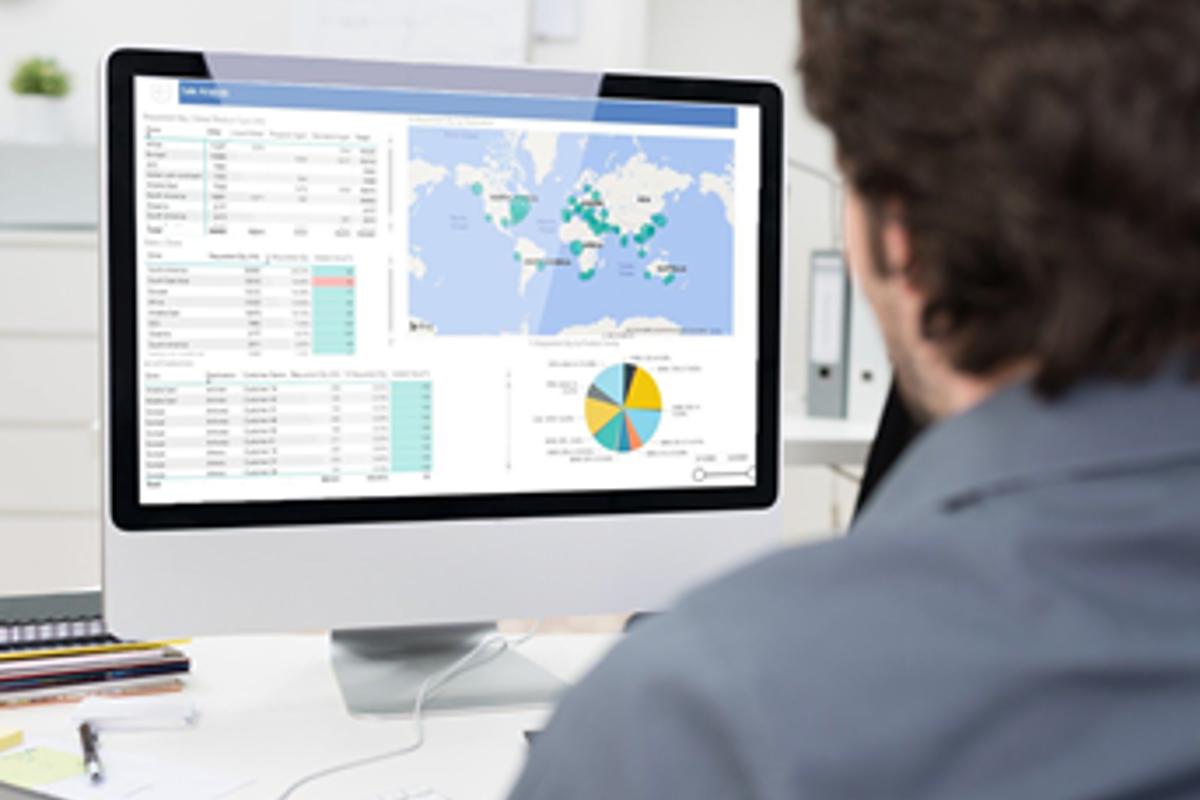
The consolidation of data within the smelter will allow smelter operations to make some interesting correlation between operational and business data providing an enabler to be able to use BI tools to their full potential. Having BI tools available will provide open opportunities to explore the use of Advanced Data Analysis.
Advanced Data Analysis & BI Tools
By incorporating data and process models into the data infrastructure, a standard way to communicate and analyze the data across systems and sites will simplify the view of operations. At its most effective use, extending this infrastructure beyond the plant floor by combining it with other business systems enables the seamless transformation of operational data into insight that will drive business decisions across the enterprise. Done well, this drives increased cost savings in process optimization, energy, water, and a reduction of production losses.
What Aluminium Smelter Must Do Today to Leverage Their Data
There is evidence that Industry Transformation Leaders look to third parties for subject matter expertise when defining and executing the program towards achieving Digitalization Excellence. Industry Transformation Leaders are more likely to use a specialized consultant or industry analysts to define the program, and more likely to use them in the execution of the strategy.
As we examine the data, we identify two additional organizational characteristics that correlate to Industrial Transformation program success:
- First, Industry Transformation Leaders are significantly more likely to have an enterprise view of manufacturing. They are also more likely to manage plants as a “tightly orchestrated team” and are more likely to have tight coordination and control within a business line. This management style is critical for Industry Transformation success.
- The second key organization characteristic is that Information Technology and Operational Technology teams are fully integrated into a single team engaged in both Industrial Transformation and support of the legacy systems whilst.
Yes, industrial organizations should consider IIoT and advanced analytics plus a wide range of other digital technologies. Moreover, a key indicator of digital readiness is the ability and willingness to pursue multiple technologies simultaneously.
How Alizent Can Help in Your Digital Transformation
Alizent is a recognized leader in software solutions for the Aluminium Industry having over 30 years of experience working with all stages of Aluminium Production. They provide solutions to many of the largest smelters in the world with purpose-built end-to-end solutions enhancing visibility on production and empowering operations in their decision-making.
Over 3.4 million tonnes of aluminium per year are monitored and managed with innovative solutions developed by Alizent.
Alizent can help you in the digitalization of your processes by bridging the gap between Information Technology (IT) and Operational Technology (OT) with System Data Integration and Industrial Internet of Things (IIoT). Once your data is gathered, they can help analyze and find insight from your data with Business Intelligence (BI) and root cause analysis.
Alizent offers Innovative Solutions tailored to your needs that enable the digital transformation of Aluminum smelters, such as;
- Manufacturing Execution System,
- Advanced Planning & Scheduling,
- Crucible Tracking,
- Operational Historian.
Alizent’s solutions will enable you to collect, centralize and analyze data, transforming it into actionable insights that you can securely access anytime, anywhere.
For more information please contact Alizent via email at ww-aluminium@alizent.com or visit their website www.alizent.com.
China to account for global aluminium deficit in 2019; SHFE outperforms LME on falling supply
Next articlePrimary aluminium inventories continue to rise by 8,000 tonnes in China on greater cargo arrival
Grow with
AL Circle