Denver-based NREL researchers find unique way to recycle lithium-ion batteries

According to an esteemed news agency, by 2030, the number of electric vehicles on the roads will escalate by a hefty amount, which indicates that the demand for lithium-ion battery storage will increase tremendously. And the metal used in making lithium battery cases is usually aluminium.
As a result, Matthew Keyser, an electric chemical energy storage group manager, and his team of researchers at the National Renewable Energy Laboratory in Golden, Denver, Colorado, are working on better ways to recycle batteries.
The goal is to increase the current recycling rate from 5%-10% to 98% or 99%. Keyser's team has found a more environmentally friendly method to recycle lithium-ion batteries than some currently used tactics.
"Bloomberg estimates by 2030, we will need two terawatt hours of lithium-ion battery storage. 90% of that is going to go to transportation," Keyser explained.
The process is called direct recycling, and it involves recovering the positive active material within the battery and reusing it instead of separating the metals. This way, there is no need for extra mining for metals or landfill.
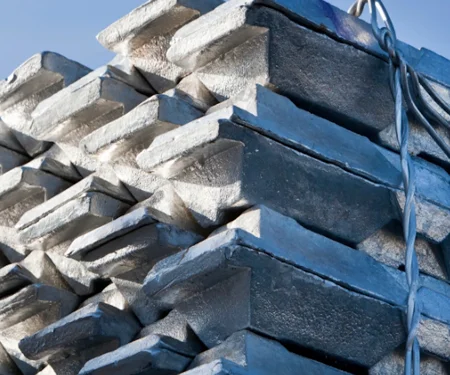
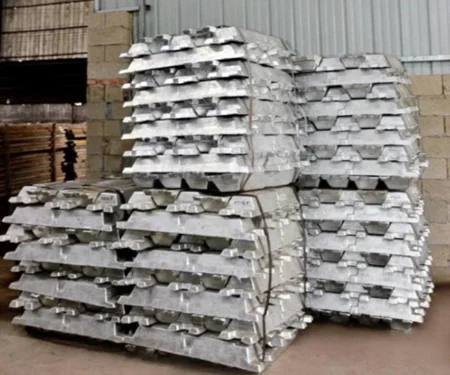
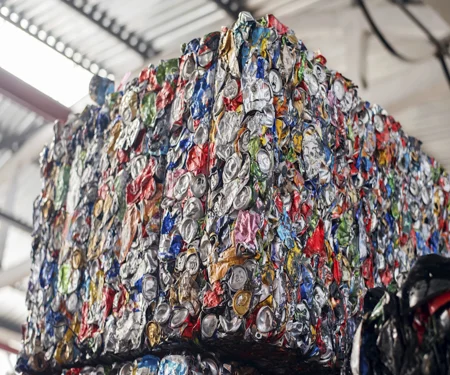
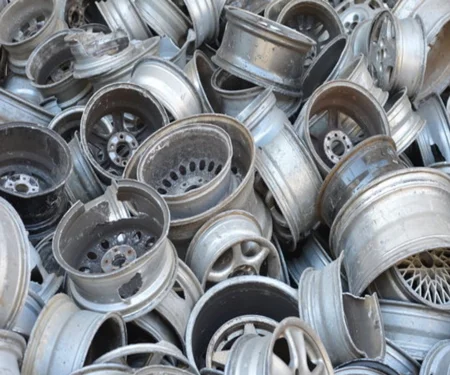
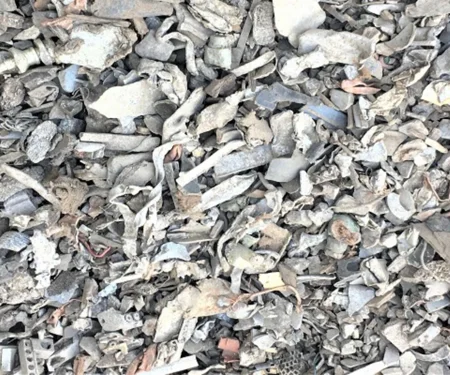
Aluminium is crucial for creating the battery case, and this unique recycling method uses the dismantled parts from an end-of-life battery to construct new battery cases. It should also be mentioned that recycling aluminium saves almost 95% of the energy originally required for primary aluminium production.
Keyser illustrated: "98% of lead-acid batteries are recycled. However, with lithium-ion batteries at the moment, I would say it's only like 5% to 10%."
"We don't have the space in the landfills for all the lithium-ion batteries that are going to be produced, but also, we don't want to have additional mining operations to be able to get new copper, new aluminium, new transition metals," he firmly pointed out.
At present, only about 5% of lithium-ion batteries are recycled through direct recycling, but the practice is growing due to its environmental benefits.
"What we're trying to do is we're trying to take the positive active material within a battery and then just recover that upcycle it and reuse it," Keyser concluded.

Keyser and his team are also working on avenues to recover all the battery's materials so that they can all be reused in the foreseeable future, inducing a circular economy for lithium batteries.
Automobile recycler LKQ Corporation posts 2022 Global Sustainability Report
Next articleBall Corp and Kroenke’s strong alliance generates good publicity for Ball aluminium cups
Grow with
AL Circle