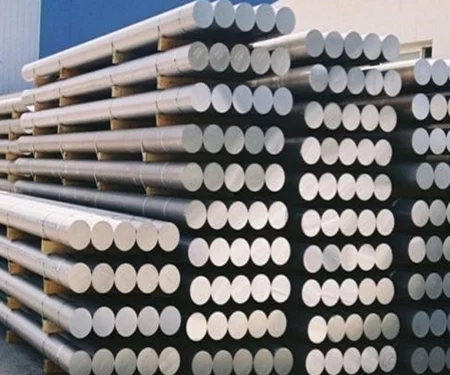
China’s primary aluminium production reflects M-o-M increase of 1.6% to 3.16 million tonnes for October 2021
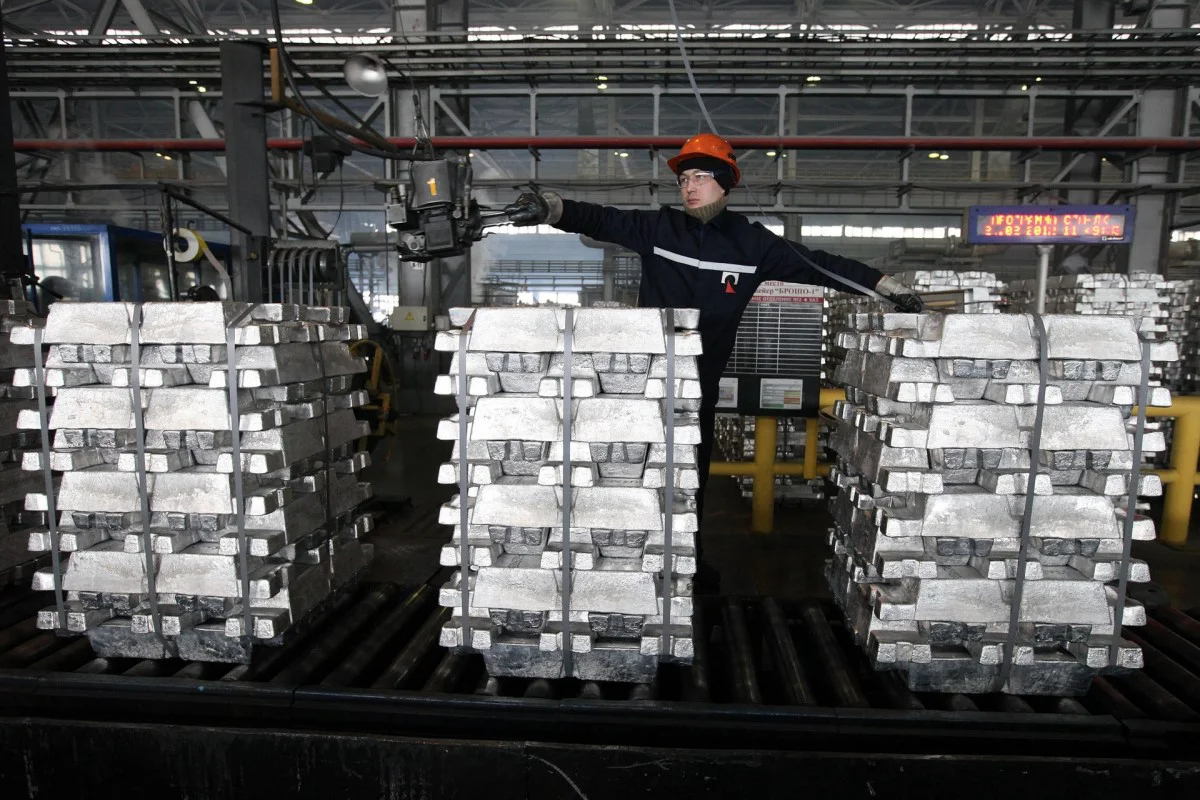
In October 2021, China’s primary aluminium production reflected a month-on-month increase of 1.61 per cent from 3.11 million tonnes to 3.16 million tonnes, found the Shanghai Metals Market. But on a year-on-year basis, the output stood down by 2.55 per cent from 3.25 million tonnes.
SMM data showed the daily output in October averaged 102,000 tonnes, which was 1.64 per cent less than 103,700 tonnes in the previous month. This downfall could be attributed to the fall in operating capacities in Shanxi, Henan, and Guizhou due to power rationing and production restriction in the winter heating season. No existing capacity was resumed nor were any new capacities put into production.
From January to October 2021, China churned out 32.24 million tonnes of primary aluminium in total, an increase of 5.1 per cent from 30.68 million tonnes during the same period last year.
In early October, China’s operating aluminium capacity stood at 37.32 million tonnes per year, while the installed capacity was at 43.75 million tonnes per annum. Liquid aluminium accounted for 62.2 per cent of China’s total aluminium production in October, a decrease of 2.4 percentage points from September.

The Shanghai Metals Market expects China’s aluminium output in November to hover around 3.06 million tonnes, with daily average output at 102,000 tonnes, as there will be no further production cut. The consumption will recover amid alleviated power rationing in Guangdong, Jiangsu, and Henan. The inventory is estimated to fall to around 950,000 tonnes by the end of November.
LME aluminium price continues to grow to settle at US$2582/t; SHFE price shrinks by US$58/t to US$2923/t
Next articleVedanta’s aluminium ingot price hovers around INR224000-237000/t on November 10, 2021
Grow with
AL Circle