您想继续阅读英文文章还
是切换到中文?
是切换到中文?

THINK ALUMINIUM THINK AL CIRCLE

In the scenic Bintan Island of Indonesia, a new industrial complex is emerging near a bustling seaside resort, marking a significant shift from traditional tourism and fishing to aluminium.
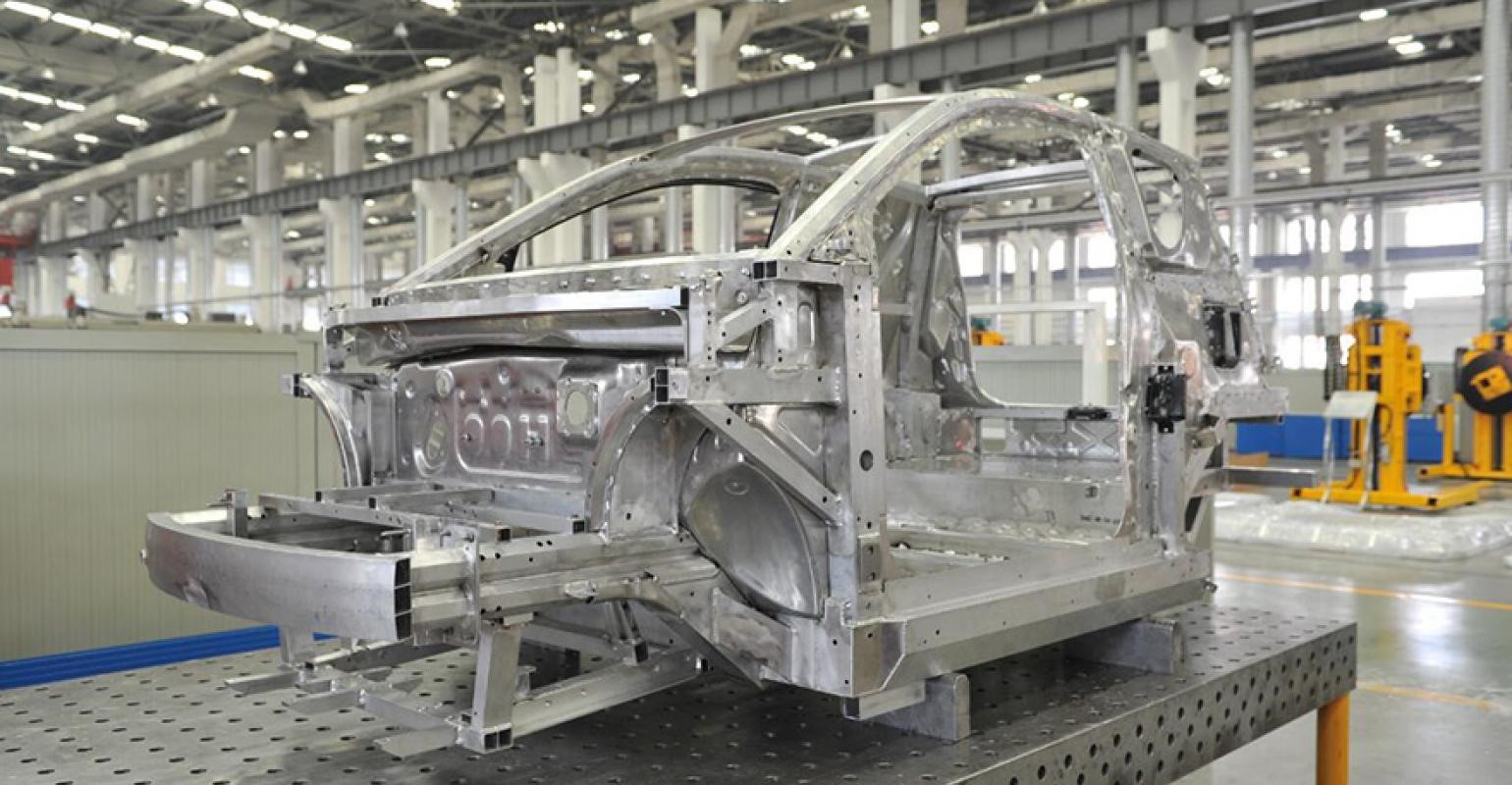
At its core is an alumina refinery led by Bintan Alumina Indonesia and partially owned by China's Shandong Nanshan Aluminium. The next phase includes an aluminium smelter launching soon, with a game-changing aluminium factory set for completion by 2028, aiming to supply aluminium ingots for the growing electric vehicle (EV) industry.
While this development offers economic growth and job opportunities, it brings some environmental concerns like wastewater pollution and emissions from the coal-fired power station. Residents have had to relocate due to the refinery's expansion, causing mixed feelings. This environmental impact isn't unique to Bintan but echoes across Indonesia as it mines metals like bauxite and nickel to support China's clean energy production.
China's investments extend beyond Indonesia to various sectors in Southeast Asia, including rare-earth mining, battery materials processing, solar panel production, and EV manufacturing. This attracts Southeast Asian nations aiming to balance Western and Chinese investments while transitioning to clean technologies. However, Southeast Asia's increasing dependence on China's investments may deepen its economic reliance on China amid geopolitical tensions in the South China Sea and the West's efforts to reduce dependence on China's supply chains for green tech.
Efforts to counterbalance China's dominance include the U.S. passing the Inflation Reduction Act, offering incentives for clean energy industries within the U.S., and the EU considering tariffs to protect its EV manufacturers from Chinese competition.
In response to Western barriers, Chinese green tech companies are looking to Southeast Asia, aiming to dominate the supply chain, penetrate Southeast Asian EV markets, and utilise "climate diplomacy" to circumvent tariffs. This strategic expansion concerns geopolitical analysts, as China aims to maintain its influence globally. The push by Chinese electric car manufacturers and solar panel and battery makers into Southeast Asia underscores China's commitment to the region.

Southeast Asian nations face a pivotal choice amid pressure to decarbonise. They need alternative funding sources, making Chinese investments appealing, while the West has been slower to enter the green tech sector in Southeast Asia. The contrast between China's commercial-oriented climate diplomacy and the West's grants for smaller-scale projects highlights the complexities of the region's evolving landscape.
Responses







_0_0.jpg/500/0)