China plans to sell aluminium from its state reserves to curb price hike: Source
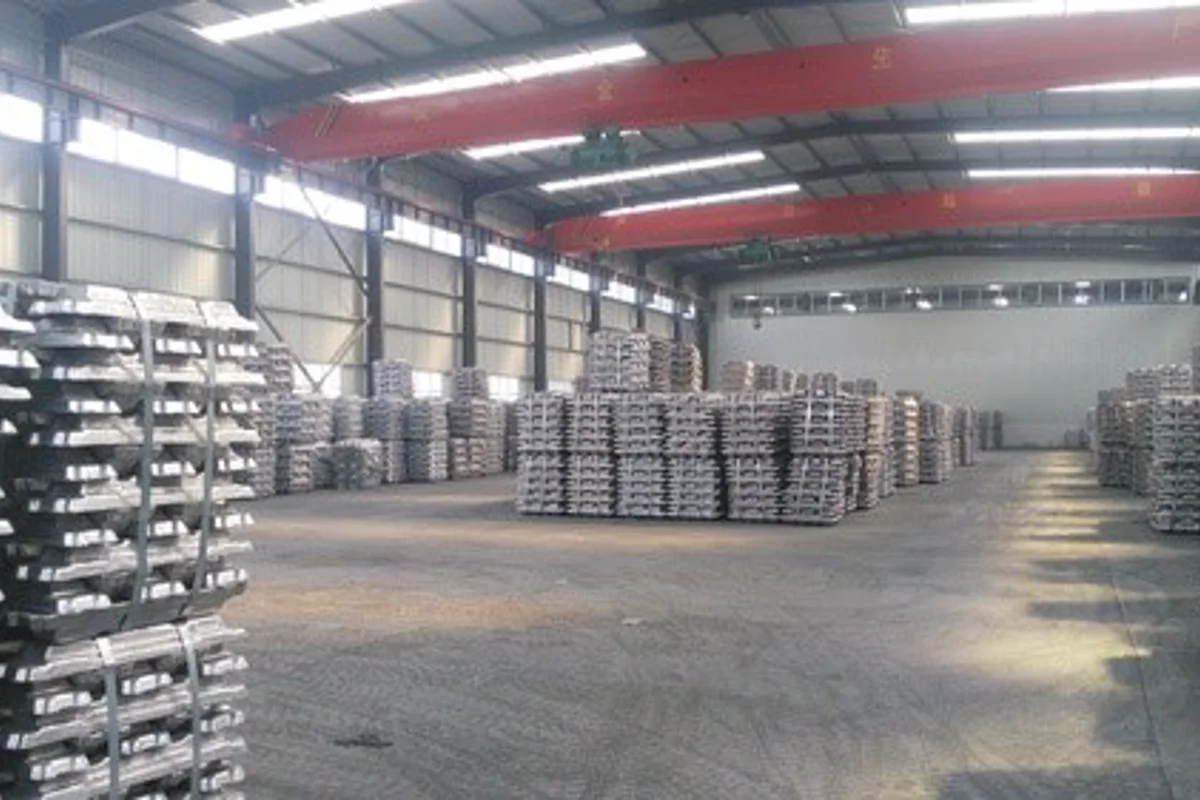
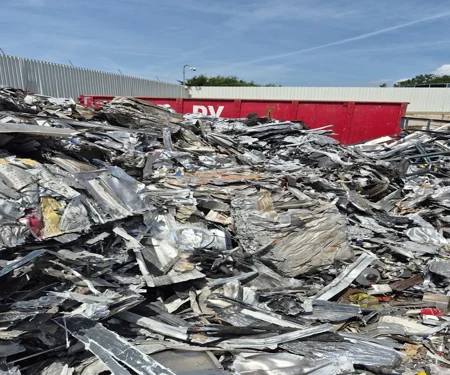
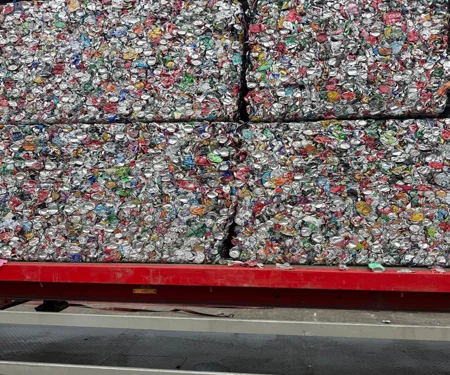
China is reportedly mulling to sell nearly 500,000 tonnes of aluminium from state reserves, in an attempt to calm the market and meet the Asian nation’s carbon emissions objectives, according to a person familiar with the plan.
Selling off some of the highly carbon-intensive aluminium stocks is expected to help China offset production losses caused by its commitment to limiting energy usage as the country plans to achieve a carbon-neutral economy by 2060.
However, going ahead, China’s aluminium selling plans, including the volume to be released, could be subject to change, said the person. According to the person, Beijing is keen to prevent the price hike of aluminium, one of the most widely used metals in goods like window frames, car parts, beverage can packaging, and so forth.
A report on China’s plans to sell aluminium from its reserves sank prices on Tuesday, March 23, but is still up by 13 per cent this year, driven by apprehensions for reduced availability of aluminium.
In early March, Shanghai aluminium prices reached a decade high after Inner Mongolia warned to stop approving new projects following a rebuke from Beijing for failing to control its energy consumption.
China previously sold aluminium from its reserves in 2010, when production cuts for energy-savings tightened supplies.
Commenting on the recent plan of releasing stocks, Alcoa’s CEO Roy Harvey said: “Signs that China is taking meaningful steps to rein in aluminum production are a 'game changer' for the long-term outlook after years of gluts in the industry.”

Harvey has projected that China’s aluminium inventories will come down due to strong demand recovery across China and the rest of the world, combined with limited chances of new projects coming online.
China is by far the world’s dominant supplier of aluminium. The country’s primary aluminium output totalled 37 million tonnes last year, and production in the first two months of this year rose to record levels.
Eyeing on the application of graphene in Aluminium smelters, Tirupati Graphite bolsters team strength
Next articleUS primary aluminium production rose 1,000 tonnes M-o-M in January 2021; Average daily output remains flat
Grow with
AL Circle