Despite mounting global resistance to its surging shipments of low-cost goods, China has pledged to increase support for exporting companies. Beijing's new policies aim to sustain its export boom, which is on track to reach record levels, even as trading partners accuse it of undercutting local industries and distorting global markets.
Wang Shouwen, China's international trade representative and vice minister of commerce, announced a range of measures to support exporters. These include financial aid, insurance assistance, and directives to expand cargo capacity through state-backed shipping firms. "Our focus is on promoting high-quality trade and addressing practical challenges faced by Chinese companies," Wang said during a press conference in Beijing.
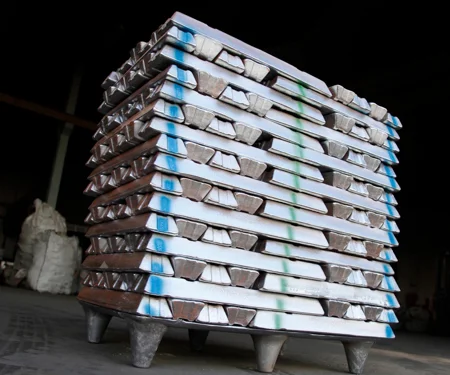
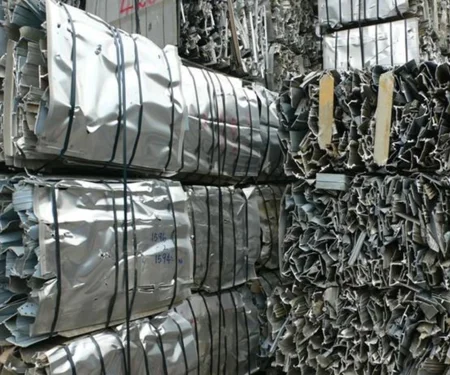
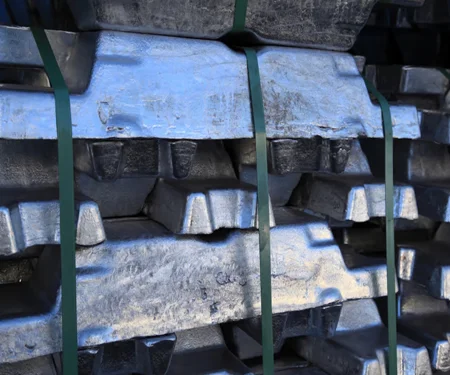
When keeping an eye on the aluminium sector, the country's exports of semi-manufactured aluminium products such as bars, sheets and tubes are witnessed to be totalled at a massive 5.2 million tonnes in 2023. They will be higher still this year, according to Reuters. Outbound shipments grew by 17 per cent in the first nine months (January to September) of 2024.
Export boom amid criticism
China's exports have grown sharply in recent years, even as global economic uncertainty has curbed trade elsewhere. In 2024, the country's trade surplus is expected to approach record highs. However, the boom has come with criticism from many nations accusing China of flooding markets with cheap goods, including aluminium, steel, electric vehicles, and machinery, undermining local industries.
For example, U.S. and European manufacturers have raised concerns about unfair competition from Chinese products. The United States has imposed tariffs on a range of Chinese goods, while the EU is investigating subsidies for Chinese electric vehicles.
The aluminium industry, a cornerstone of China's export economy, has been at the centre of this controversy. As the world's largest aluminium producer, China supplies over half of global primary aluminium, much of it at prices that rivals struggle to match. In 2022 alone, China exported approximately 6.7 million tonnes of aluminium products, a 13 per cent increase from the previous year. This dominance has led to calls for stricter trade barriers in countries like India and the U.S.
To sustain its export-driven growth, Beijing has unveiled policies aimed at solving logistical bottlenecks and easing trade financing for exporters. Chinese shipping firms have been directed to increase cargo capacity to facilitate the movement of goods. At the same time, exporters in sectors such as e-commerce are set to receive additional government backing.
However, the nation’s measures are not without complications. The government recently withdrew tax rebates for some industrial goods, including aluminium, to cool export growth. While this move aligns with global calls to reduce overproduction, it has rattled industries heavily reliant on these exports.
Global Reaction and the Way Forward
The backlash against China's export policies reflects broader concerns about global trade imbalances. For instance, Chinese goods often benefit from state subsidies and other forms of government support, giving them a competitive edge in international markets. Critics argue this practice distorts global trade rules and harms smaller economies that cannot compete on similar terms.
Despite these criticisms, many overseas buyers continue to benefit from China's low-cost goods. Sectors such as construction and automotive manufacturing often rely on affordable Chinese inputs to manage costs. Yet, this dynamic has led to significant tensions between economic benefits for consumers and challenges for domestic producers.
Even in the face of rising protectionism, China's commitment to supporting exporters underscores its reliance on trade to drive economic growth amid a sluggish domestic economy. While Beijing attempts to balance global criticisms with domestic priorities, its approach will shape the future of international trade relationships and the rules that govern them.
The question now is whether China's efforts to bolster exports will stabilise global trade dynamics or deepen divisions in an increasingly fragmented trading environment.