China aluminium extends gains into August; supply tightness, demand recovery to support September
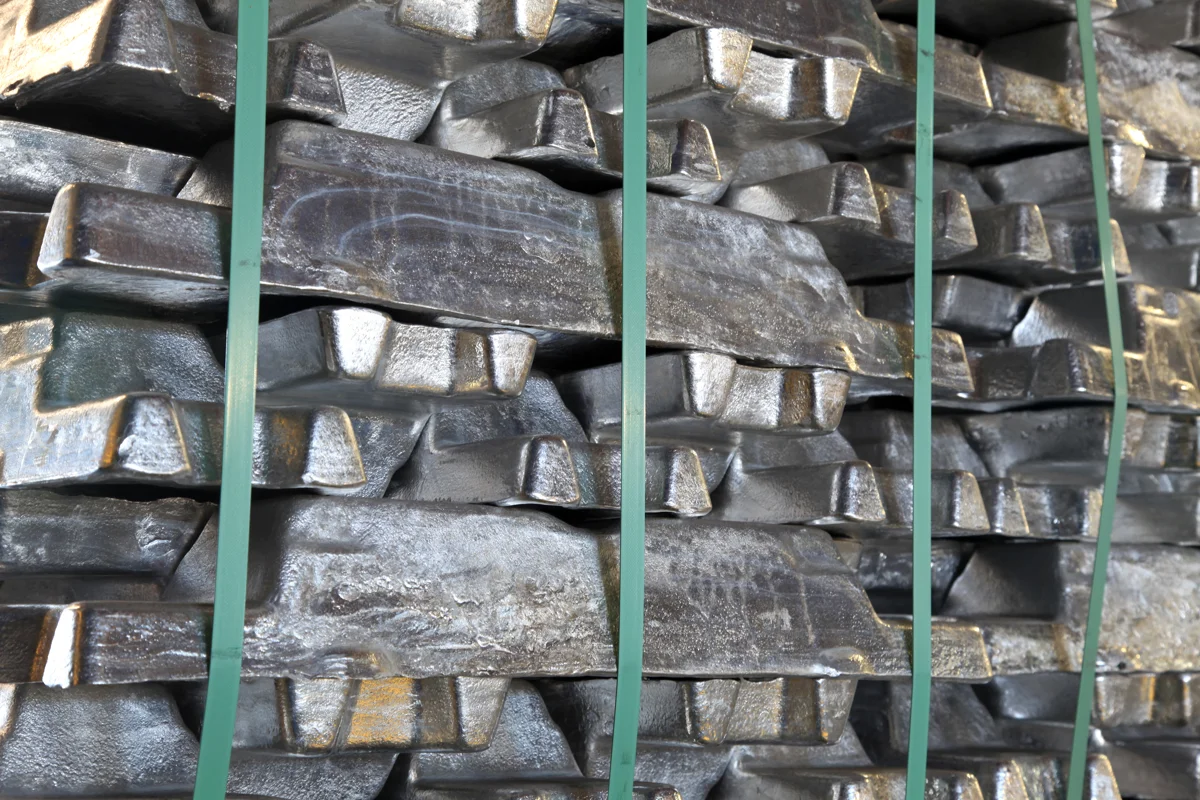
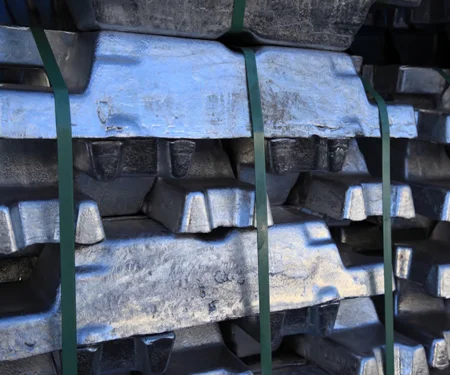
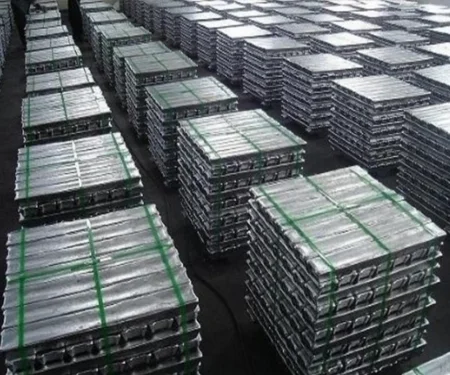
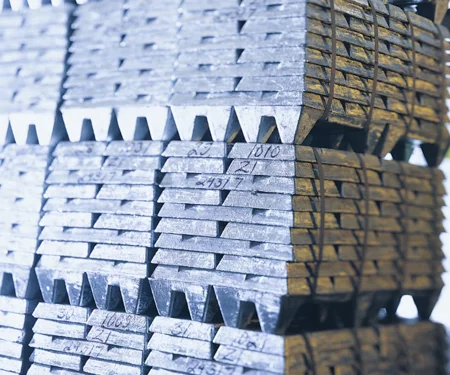
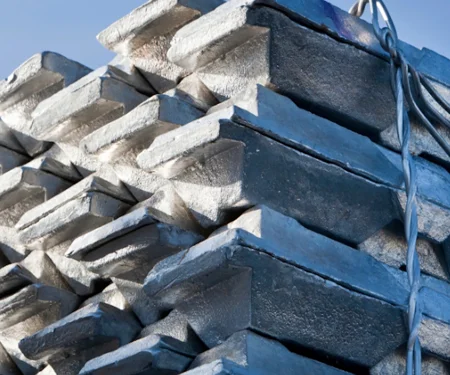
Stock image for referential purposes only
As of August 31, the monthly average price for A00 aluminium ingots was RMB 23,869.0 per tonne in East China, up 3.34 per cent M-o-M; RMB 24,010.0 per tonne in South China, up 3.79 per cent M-o-M; and RMB 23,762.4 per tonne in Central China, up 3.42 per cent M-o-M, based on Mysteel's assessment.
In August, China's aluminium prices fluctuated widely under the shifting macro expectations and tight spot supply, with the monthly average price rising noticeably compared to July.
Early in the month, improved overseas macro expectations and a periodic weaker US dollar, coupled with continuous destocking of domestic traders' inventory, drove a rapid rebound in SHFE aluminium prices.
Mid-month prices briefly surged but subsequently retreated and consolidated as US inflation data and rate hike expectations repeatedly unsettled the market, while downstream buyers grew increasingly wary of high prices.
Entering late August, aluminium prices strengthened once again, supported by low inventories, high molten aluminium ratios, and expectations for peak-season demand.
Looking at the full month, financial attributes drove short-term price fluctuations, but supply-side rigid constraints and continuous destocking in the spot market remained the core factors supporting the upward shift in the aluminium price center.
Supply side
According to a full-sample survey of Chinese primary aluminium producers by Mysteel, China's primary aluminum output in August 2026 stood at 3.88 million tonnes, up 2.41 per cent Y-o-Y and up 0.02 per cent M-o-M (based on 31 actual production days); the average daily output of primary aluminum was 125,100 tonnes, roughly flat M-o-M.
In August, domestic operating capacity for aluminium remained generally stable, with limited room for new supply. Future incremental supply will depend mainly on the commissioning of replacement capacity and the progress of technical renovation projects.
According to Mysteel statistics, the average spread between primary aluminium and aluminium scrap in August was RMB 867 per tonne, widening by RMB 262 per tonne compared to July. On the one hand, the overall upward movement in aluminium prices prompted scrap traders to shift from holding back to selling; as traders became more willing to sell in line with rising prices, the supply of aluminum scrap increased.
On the other hand, August coincided with the traditional consumption off-season; operating rates at downstream processing enterprises were relatively low, and procurement demand for aluminium scrap was weak. This pattern of rising supply and weakening demand caused scrap prices to lag significantly behind primary aluminium prices, further widening the primary-scrap spread.
Demand conditions
According to Mysteel's data, the weekly average output of primary aluminium-based semi-finished products in August was 611,600 tonnes, essentially flat compared to July. By category, aluminium bar supply remained at high levels. The extrusion sector was restrained by multiple factors including high temperatures, weak construction demand, and high aluminium prices, prompting enterprises to adopt a more cautious approach toward operating rates and raw material procurement, with processing fees generally under pressure.
Against the backdrop of the traditional off-season, output of cast-rolled coils and slabs edged lower; orders for common plate, strip, and packaging foil feedstock were lackluster, with the market largely driven by long-term contract and few new spot orders. In contrast, orders for battery aluminium foil demonstrated strong resilience. For aluminium rod, earlier surging export orders had boosted production efficiency, but as aluminum prices rose and outstanding orders were gradually delivered, the pace of new order inflows slowed, leading to a subsequent decline in output.
Unlock key insights from leading companies and experts across the aluminium ecosystem with our e-Magazine - Mine to Market: Aluminium Producers & Manufacturers 2026
End-use demand continued to show a structurally diverging trend. Demand for architectural extrusions remained relatively weak, affected by sluggish real estate new starts and high temperatures. At the same time, demand from sectors such as automotive lightweighting, power grid construction, energy storage, and new energy remained resilient. Growth in EV production and sales, the advancement of power grid investment, and the strong sentiment across the energy storage industry chain provided solid support for orders of aluminium rods, plate, strip, foil, and battery foil.
Export performance also remained strong; according to the latest statistics from the General Administration of Customs (GACC), China's exports of unwrought aluminium and aluminium products in August totaled 626,000 tonnes, down 2.6 per cent M-o-M but still at a relatively high level overall, with external demand providing sustained support for domestic aluminium product consumption. In summary, August aluminium end-use demand did not exhibit a typical off-season contraction; overall demand resilience persisted, and the aluminium consumption structure continued to tilt further toward emerging sectors.
Inventory
In August, domestic aluminium inventories continued to destock in an anti-seasonal manner. Mysteel statistics show that as of August 31, China's traders' inventory of aluminium stood at 809,000 tonnes, down 122,000 tonnes M-o-M; inventories at aluminium plants fell to 57,000 tonnes, down 13,000 tonnes M-o-M; and monthly outflows rose to 699,000 tonnes. The molten aluminium ratio in August was 77.38 per cent; although slightly lower than in July, it remained at a high level, continuing to suppress ingot casting volumes and traders' inventory inflows. Traders' inventories of aluminium bars rose to 147,500 tonnes, while plant inventories increased.
Note: This news is published under a content and exchange agreement with Mysteel
Odisha CM visits EGA Jebel Ali, highlights NALCO–EGA aluminium partnership
Next articleLME aluminium cash bid price drops 2.06% to $3,273/tonne as stocks decline to 244,350t
Grow with
AL Circle