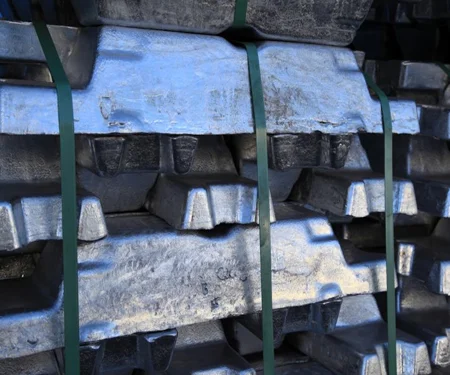
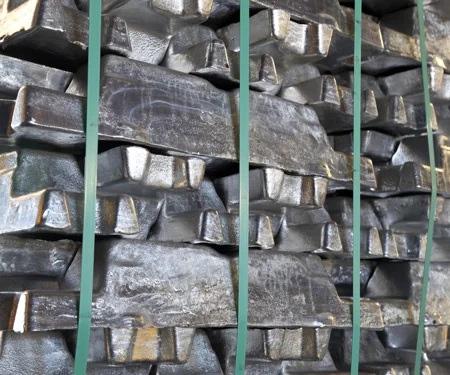
Calls to ban or sanction Russian aluminium seem an oligopolistic attempt to turn Europe into a captive market
Federation of Aluminium Consumers In Europe, BWA - German Federal Association For Economic Development And Foreign Trade, AMAFOND - Italian - Foundry Suppliers’ Association, ASSOFERMET - National Association Of Steels, Metals, Scrap, Hardware and ASSOFOND - Italian Foundry Association have written to the LME to denounce current calls for bans and sanctions on Russian primary aluminium made by major metal producers, direct competitors of Rusal, or by bodies of industry associations who appear to be heavily influenced or controlled by the same producers.
“These calls for bans and sanctions seem one more oligopolistic attempt to easily eliminate a competitor with non-market practices and to turn Europe into a captive market, with full knowledge of the devastating impact any restriction of Russian metal supplies will have on the EU aluminium industry value-chain”, says Mario Conserva, FACE’s Secretary General, speaking on behalf of the co-signatories of the letter.
He added, ”Small and medium downstream enterprises represent 90 per cent of the EU aluminium industry workforce and 70 per cent of its output, yet their interests are silenced in fundamental issues such as trade and supply policy, and they are the ones that would be severely harmed by supply restrictions and consecutive spiking upward market prices.”
The five associations stressed that it is appalling that obvious market manipulations by vested interests are not more vigorously and publicly opposed by representative instances of the industry, and they called on the LME “to strongly resist and denounce any such calls and pressures” to ban or sanction Russian primary aluminium, a move that they consider as suicidal in the current context of huge metal deficit in Europe, high energy prices and inflation, fierce international competition and vulnerability of European SMEs.
Rusal guaranteed since 20 years, a stable and reliable supply of more than 1 million tons of low-carbon primary aluminium annually, about 12 per cent of current primary metal demand in the EU. Rusal’s competitive and fairly priced supplies help decrease the carbon footprint of the entire European aluminium industry. This company has always been a balancing factor contributing decisively to stability for our downstream aluminium sector when the other major producers were withdrawing their facilities away from Europe, investing in emerging markets and in extra-EU duty-free countries to make lucrative use of the EU’s import tariff structure and tax benefits in EFTA, selling all their metal at only duty paid levels of price in the entire EU market, including their remaining EU based domestic production, at an annual over-cost in the range of 1 to 2 billion euros suffered by all EU aluminium independent transformers and consumers.
Through their aggressive lobbying to maintain a 3-4-6 per cent import tariff structure in an import-dependent European market, these producers perpetuate a de facto hidden subsidy mechanism, whose billions of tariff-driven extra profits have been invested outside the EU.
Combined with the economically absurd maintenance of the 3-4-6 per cent EU import tariff structure on raw aluminium, which artificially inflates prices in this market alone, the calls to ban, “self-sanction”, or sanction Russian aluminium can be considered as an attempt to definitively transform Europe into a captive market dominated by a handful of non-EU headquartered major producers, artificially increasing their profits with higher EU market premiums where the 6 per cent tariff level is included universally. It is even more shocking to see that the ones who have cut a million tonnes of EU primary aluminium production capacity in the past 20 years to maximise their profits are now colluding to try to force Europe to eliminate one million tonnes of competitive low carbon supplies, to their exclusive benefit and at the expense and harm of thousands of European aluminium transformers, end users and consumers.
This would constitute a major blow to the European Green Deal, industrial and raw materials policies and open strategic autonomy, as the subsequent further weakening of the European downstream aluminium sector will facilitate the market penetration of extra-EU competitors with much higher carbon footprint products while Rusal would redirect its sales to China, India, Turkey and other emerging economies, strengthening their competitiveness against European manufacturers.

“Do we want a pandemic of bankruptcies in the EU aluminium industry?
Who wouldn’t see the absolute scandal of the behaviour of those who are orchestrating rumours, market unrest and a campaign to ban the major low carbon supplier of our industry?”, Conserva insists, explaining that “the EU must import more than 7 million tonnes of primary aluminium every year, competing with other regions to attract metal, and yet, with 12 million tonnes EU demand versus 1,2 million tonnes domestic production left, these producers and bodies of associations are asking the LME, the EU Commission and the Member States to deprive in different ways the entire European aluminium value-chain of more than one million tonnes of vital, reliable, competitive and low carbon aluminium supplies that we are starving for!”
Nigerian Vice President engages Russian stakeholders to revive ALSCON reactivation plans
Next articlePrimary aluminium recap: Alba executes VR training for 'Potline Emergencies'
Grow with
AL Circle