AlCircle.com
Brazil aluminium scrap import grew 32% YoY in 2015, beverage can export estimated at $107.63 mln in 2016
Edited by : Dipanwita Gupta
3 min read

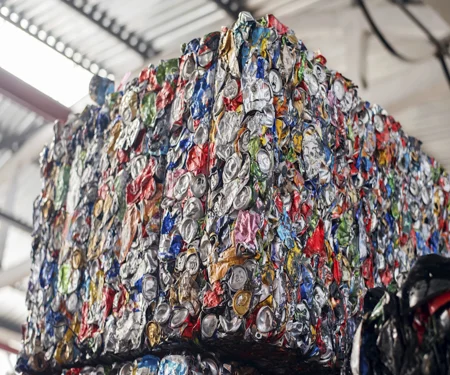
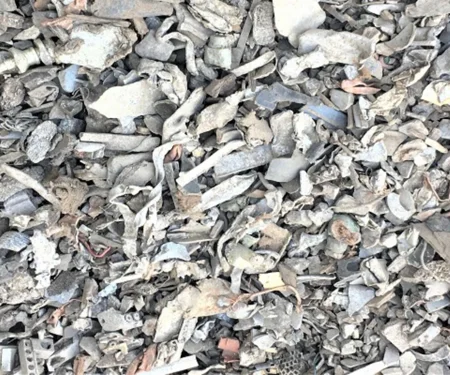
<p>Brazil, the Recycling Capital of the world, recycled 289,500 tonnes of aluminium beverage cans out of the 294,200 tonnes available in the market in 2014 - an all-time highest in the industry since 2001, reported the Brazilian Aluminium Association (ABAL) and the Brazilian Association of Highly Recyclable Cans Manufacturers (ABRALATAS). According to data released by the two entities, 22.9 billion of packs were recycled in 2014. <br /><br />Mario Fernandez, coordinator of Abal's Recycling Market Committee said, the economy already collects a total of around 500,000 tonnes of aluminium beverage cans per year and there is no way to collect much more without resorting to aluminium scrap import. <br /><br />Brazil imported a total volume of 83,521.6 tonnes of scrap aluminium in 2015, up 32.03 per cent from 63,255 tonnes in 2014. In 2016, the total volume of aluminium scrap imports in the South American country is estimated to reach 89,040.17 tonnes, an increase of 6.6 per cent from the previous financial year.</p>
<p><br /><img style="vertical-align: middle; display: block; margin-left: auto; margin-right: auto;" src="http://www.alcircle.com/uploads/images/Brazil%20scrap%20import%201.jpg" alt="News" width="517" height="226" /></p>
<p>Value-wise, the total aluminium scrap imports in Brazil amounted to US$112.95 million in 2014 and US$128.96 million in 2015. In 2016, the total value of aluminium scrap imports in Brazil is estimated to reach US$ 124.54 million, a 3.42 per cent drop from the previous fiscal but a 10.26 per cent rise from 2014.<br /><br /><img style="display: block; margin-left: auto; margin-right: auto;" src="http://www.alcircle.com/uploads/images/brazil%20scrap%20value%202.jpg" alt="News" width="517" height="226" /><br />Brazil, according to ABAL data, consumes 1.4 million tonnes of aluminium each year, with 33 per cent of the metal going into beverage cans and other products. Between 2013 and 2014, domestic sales of aluminium cans in Brazil increased 11 per cent, compared to a growth rate of 12.5 per cent for recycled aluminium, placing the South American country ahead of Japan, the United States and Europe, ABAL said.<br /><br />Brazil is also in the process of occupying a significant position in the aluminium beverage cans trade internationally. The country exported a total of 7828.59 tonnes of cans in 2014. In 2015, the figure grew 5.56 per cent to reach a total of 8264.39 tonnes. In 2016, total aluminium beverage cans export from Brazil is estimated to reach 9675.64 tonnes, rising 17.07 per cent from the last financial year. <br /><br /><img style="vertical-align: middle; display: block; margin-left: auto; margin-right: auto;" src="http://www.alcircle.com/uploads/images/Brazil%20cans%20export%203.jpg" alt="News" width="517" height="226" /><br />Value-wise, Brazil’s total aluminium beverage cans export totalled at US$ 68.10 million in 2015, a decrease of 5.58 per cent from US$ 72.13 in 2014. In 2016, the total value of aluminium beverage cans export from Brazil is estimated to surge and reach US$ 107.63 million, up 58.04 per cent from the previous fiscal.<br /><br /><img style="vertical-align: middle; display: block; margin-left: auto; margin-right: auto;" src="http://www.alcircle.com/uploads/images/Brazil%20can%20export%20value%204.jpg" alt="News" width="517" height="226" /><br />According to Fernandez, the demand for aluminium is Brazil is going to witness a huge surge in the coming years. "The first aluminium boom in Brazil was for packaging, and the second will be for motor vehicles, which, to comply with legislation, must reduce carbon emissions, something that can be done only through changes in fuel, or by reducing the weight using aluminium," he said.<br /><br />{googleAdsense}<br /><br />Brazil's cars have an average of 30 kilos (66 pounds) of aluminium in them, compared to 150 kilos (330 pounds) per car in the U.S. auto industry.<br /><br />"The room for expansion in Brazil is huge," Fernandez said. This will surely boost the aluminium scrap recycling in the country during the next five years.</p>
Previous article
Saudi Arabia becomes an export hub for aluminium scrap in the East
Next articleAmerica Recycles Day illustrates economic and environmental benefits of the recycling industry
Grow with
AL Circle