Adv
LANGUAGES
English
Hindi
Spanish
French
German
Chinese_Simplified
Chinese_Traditional
Japanese
Russian
Arabic
Portuguese
Bengali
Italian
Dutch
Greek
Korean
Turkish
Vietnamese
Hebrew
Polish
Ukrainian
Indonesian
Thai
Swedish
Romanian
Hungarian
Czech
Finnish
Danish
Filipino
Malay
Swahili
Tamil
Telugu
Gujarati
Marathi
Kannada
Malayalam
Punjabi
Urdu
AL CIRCLE

Bioenergy in India’s aluminium sector: Scale potential meets a 3-million-tonne reality
EDITED BY : 6MINS READ

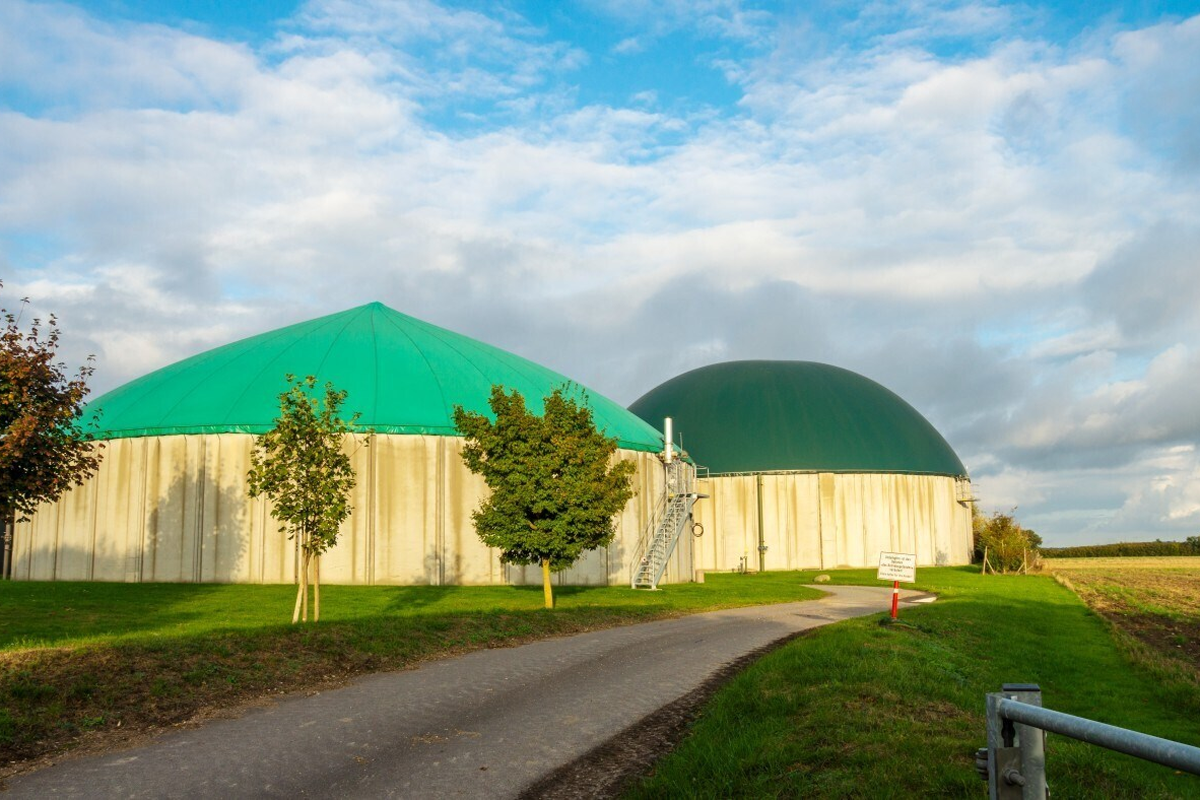
bio energy plant

India reports abundant bioresources and rapidly growing biofuel markets. Modern bioenergy from biomass, biogas and biofuels already supplies about 13 per cent of India’s total final energy. It is expanding fast, with the International Energy Agency (IEA) projecting bioenergy use to rise by roughly 45 per cent between 2023 and 2030.

{alcircleadd}

This growth is driven by policy mandates, including ethanol and biodiesel blending targets, a 5–7 per cent biomass co-firing target in coal power plants by 2026, and compressed biogas (CBG) expansion under the SATAT initiative.

By one estimate, India’s liquid and gaseous biofuel use doubled from 2018 to 2024 (from 101 to 210 petajoules) due to ethanol and CBG programmes, and could more than double again by 2030 with stronger policy support. Modern solid biomass, such as wood pellets, bagasse, and agricultural residues, is expected to drive nearly 80 per cent of incremental bioenergy growth, particularly in heat and power generation. This positions bioenergy as a potential low-emissions fuel for high-temperature industrial processes.

At the same time, India’s heavy-metal sectors face steep energy demands. The aluminium industry is extremely energy-intensive, with primary production requiring roughly 13-15 MWh of electricity per tonne, alongside total energy consumption of about 200-210 GJ per tonne across refining and smelting.

An earlier study by the Council on Energy, Environment and Water (CEEW) suggests that aluminium contributes a significant share of industrial CO₂ emissions in India, underscoring the sector’s decarbonisation challenge. Energy costs alone account for over 40 per cent of aluminium production expenses.

In such industries, decarbonisation relies largely on clean electricity and process efficiency, but bioenergy can play a supporting role in providing heat and firm power. In alumina refineries and captive power plants, solid biomass or biogas can partially replace coal or natural gas. More broadly, in hard-to-abate sectors like aviation, shipping and industry, biofuels are increasingly viewed as viable low-carbon alternatives.

Last updated on : 02 APRIL 2026

Tagged with:

aluminium Energy India

Adv
Adv
Adv
Adv
Adv
Adv
Adv
EDITED BY : 6MINS READ

Responses

Adv
Adv
Adv
Loading...
Adv
Adv
Adv
Loading...
Reports VIEW ALL
Loading...
Loading...
Business Leads VIEW ON AL BIZ
Loading...
Adv
Adv
Would you like to be
featured with us?
Loading...

AL Circle News App

AL Biz App

A proud
ASI member
© 2026 AL Circle. All rights reserved. AL Circle is not responsible for content from external sources.