您想继续阅读英文文章还
是切换到中文?
是切换到中文?

THINK ALUMINIUM THINK AL CIRCLE

The US Army Research Laboratory (ARL) plans to issue a license to its new discovery of aluminium-based nanogalvanic alloy powder. When combined with water or any water-based liquid, this alloy powder reacts to produce on-demand hydrogen for power generation without a catalyst.
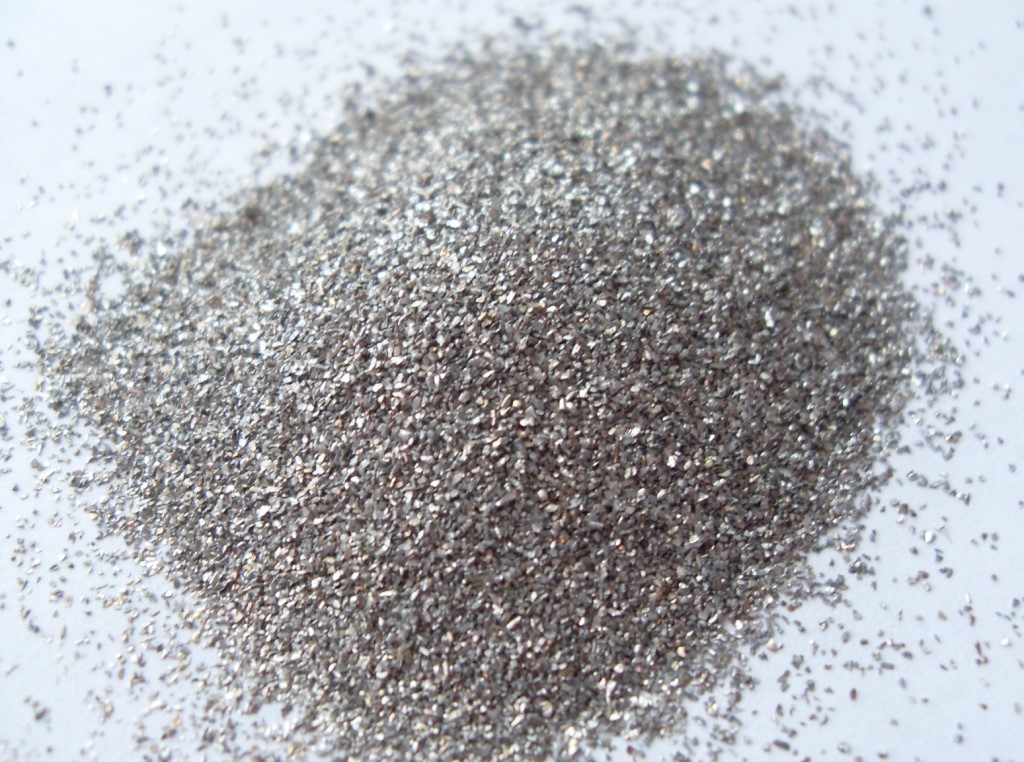
"This powder-based alloy includes material that disrupts the formation of an encapsulating aluminium oxide layer, allowing for the continuous production of hydrogen that can be used at the point of need to power a wide range of devices via fuel cells and internal combustion," said Dr. Anit Giri, a scientist with the lab's Weapons and Materials Research Directorate. "The powder can be easily manufactured to scale, and can be conveniently and safely transported via tablets or vacuum pouches, thus eliminating reliance on high-pressure hydrogen cylinders."
ARL officials said license exclusivity would be determined only after the company will post a Federal Register Notice, launch a supporting website inviting companies to submit their ideas on how to commercialise the technology, and select the most appropriate partners and collaborators.
"The Federal Register announcement is a significant step forward in the transition of power to the Soldier in the field, where it will become available on-demand at the point of need," Dowding said.
According to researchers, the powder has multiple advantages. It is a stable alloy powder, non-toxic, environmentally friendly, hydrogen emitting, manufacture to scale, and easily transportable. Besides, army researchers have discovered unique properties/combinations of the nanopowder, which in the presence of water can spontaneously generate hydrogen rapidly and efficiently.

"The researchers have since demonstrated rapid hydrogen generation rates using powder and tablet forms of the alloy," said Branch Chief Robert Dowding. "The hydrogen has been shown to be useful for powering fuel cells and is expected to power internal combustion engines."
Giri further said this discovery has many benefits and applications, such as simple manufacturing. The nanopowder is extremely efficient as well. 1 Kg of powder can generate 4.4 kWh of energy that is enough to power ten 60-watt incandescent light bulbs for more than seven hours or the equivalent LED bulbs for over 50 hours.
Responses







_0_0.jpg/500/0)