09 AUGUST 2012arabal.com
Arabal 2012 presents aluminium prices and market factors
Edited by : AL CIRCLE
3 min read

The program of Arab International Aluminium Conference (ARABAL 2012), which will be held in Doha from 20th to 22nd of November 2012, will include a discussion panel on aluminium prices, the related supply and demand factors, and a historical view on the price levels and the prospects in the light of the current economic and political changes in different parts of the world.
In this regard, Qatalum, organizer of Arabal 2012, said that the main productive sectors of global economy were most impacted by declining growth rates, and are still suffering from various pressures, including direct pressures such as the local demand rates and the cost of energy needed for operation and production, and indirect ones such as the soaring competition in terms of quality and prices, and the difficulty of opening new markets. It has been noticed that the impacts of the global economic crisis are still hitting economies and pushing the growth indices down to its lowest levels, despite the continuous bailouts and stimulus packages. It is expected that the main productive sectors will remain under pressure on the medium and long term outlook, as rising activities and demand require a return to pre-crisis levels.
Aluminium industry boasts a significant investment momentum in the region and world. Yet, these large investments face the existing global economy’s challenges and obstacles. Aluminium prices reflect all the changes and developments of global economy since the pre-crisis period, during the period and up to date, as aluminium is an industry that is correlated with many other economic sectors. Rising demand for aluminium industry outputs means there is vibrant activity in transport, real estate, industry and other vital sectors, which, in turn, means the return of operation and production to high levels.
It is worth mentioning that LME aluminium prices have fallen from their peak at $2620 per metric tonne to $1701 per metric tonne in 2009. Prices were estimated at $2400 per metric tonne according to optimistic outlook, down to $2325 per metric tonne according to neutral outlook and to $2100 per metric tonne according to conservative viewpoints. Prices on LME contradict all these expectations, with the three-month official price showing a declining trajectory since the first quarter of the year, at $1840 per metric tonne. LME aluminium Prices on cash basis were estimated at $1806, during the same period, while prices of future contracts were better than current ones, estimated at $1955 per metric tonnes during 2013. It must be taken into account that the prevailing aluminium prices are an end result of the current financial, investment and economic activities and the forces of supply and demand.
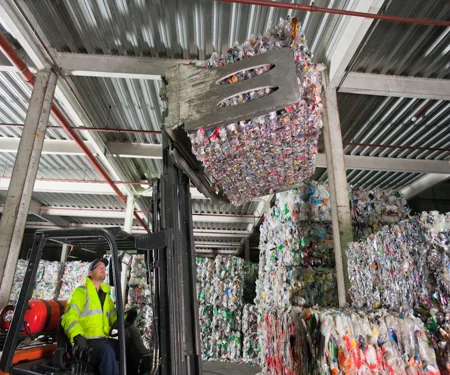
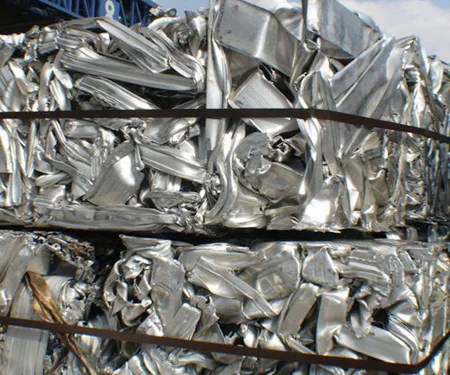
This year’s edition of the conference will discuss a number of important issues related to the aluminium industry, including the technology in use, environmental effects, security and safety, manufacturing industries, market factors and their effects on aluminium prices, recycling, and many more important topics that will be addressed by over 30 renowned figures from various disciplines.
In this regard, Qatalum, organizer of Arabal 2012, said that the main productive sectors of global economy were most impacted by declining growth rates, and are still suffering from various pressures, including direct pressures such as the local demand rates and the cost of energy needed for operation and production, and indirect ones such as the soaring competition in terms of quality and prices, and the difficulty of opening new markets. It has been noticed that the impacts of the global economic crisis are still hitting economies and pushing the growth indices down to its lowest levels, despite the continuous bailouts and stimulus packages. It is expected that the main productive sectors will remain under pressure on the medium and long term outlook, as rising activities and demand require a return to pre-crisis levels.
Aluminium industry boasts a significant investment momentum in the region and world. Yet, these large investments face the existing global economy’s challenges and obstacles. Aluminium prices reflect all the changes and developments of global economy since the pre-crisis period, during the period and up to date, as aluminium is an industry that is correlated with many other economic sectors. Rising demand for aluminium industry outputs means there is vibrant activity in transport, real estate, industry and other vital sectors, which, in turn, means the return of operation and production to high levels.
It is worth mentioning that LME aluminium prices have fallen from their peak at $2620 per metric tonne to $1701 per metric tonne in 2009. Prices were estimated at $2400 per metric tonne according to optimistic outlook, down to $2325 per metric tonne according to neutral outlook and to $2100 per metric tonne according to conservative viewpoints. Prices on LME contradict all these expectations, with the three-month official price showing a declining trajectory since the first quarter of the year, at $1840 per metric tonne. LME aluminium Prices on cash basis were estimated at $1806, during the same period, while prices of future contracts were better than current ones, estimated at $1955 per metric tonnes during 2013. It must be taken into account that the prevailing aluminium prices are an end result of the current financial, investment and economic activities and the forces of supply and demand.
This year’s edition of the conference will discuss a number of important issues related to the aluminium industry, including the technology in use, environmental effects, security and safety, manufacturing industries, market factors and their effects on aluminium prices, recycling, and many more important topics that will be addressed by over 30 renowned figures from various disciplines.
Previous article
LME aluminum should move between USD 1,890-1,930/mt: SMM Morning Review
Next articleAlba turns to debt market to fund a plan to boost production
Grow with
AL Circle