AlCircle.com
Aluminium UBCs supply over 70% of can scrap globally, but metallurgy determines circularity, Innoval’s COP30 factsheet shows
Edited by : Pratyusha Chatterjee
5 min read
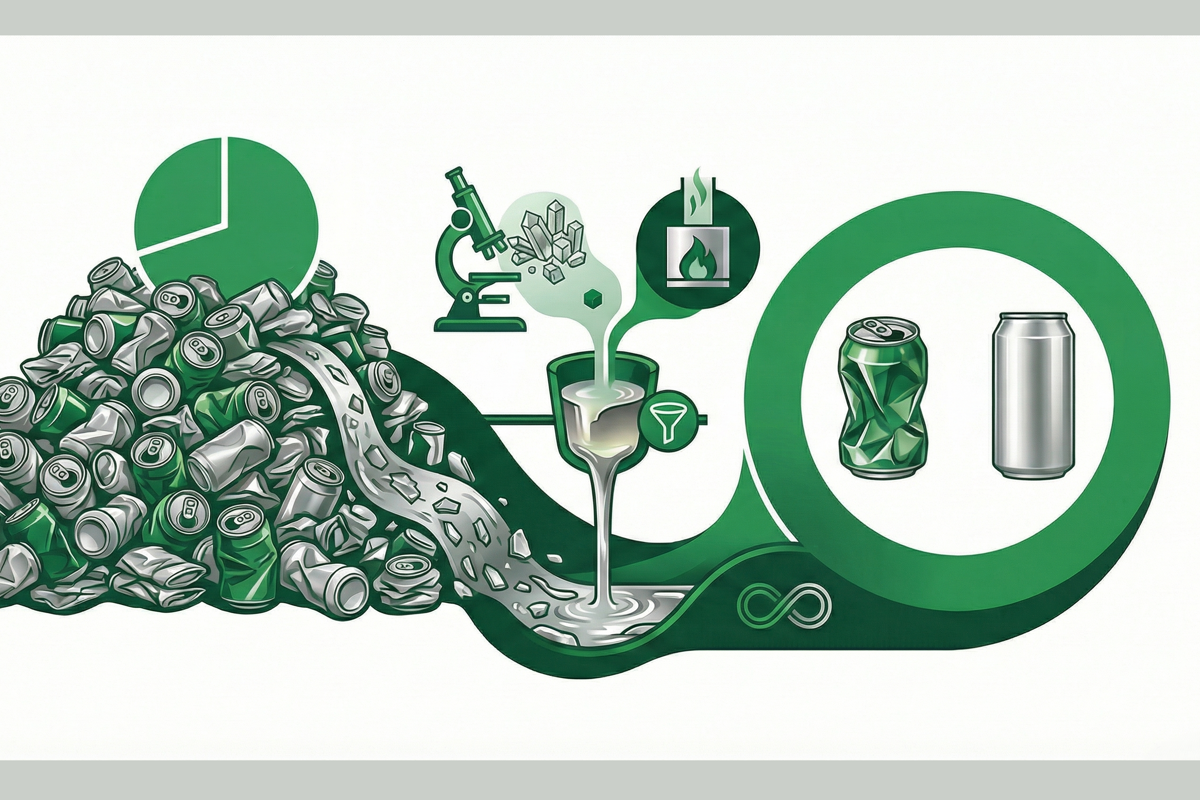
The aluminium beverage cans linger to be one of the strongest proofs that the aluminium industry’s circularity is attainable at scale. Not in theory, but in practice. A recent white paper presented by Innoval at COP30 shows that the evidence lies purely in metallurgy, process control and measurable emissions outcomes.
Explore- Most accurate data to drive business decisions with 50+ reports across the value chain
An Innoval spokesperson has said, “Can-to-can recycling is not only a technical success but a critical climate solution. By optimising metallurgy and processing, we can unlock real environmental benefits while maintaining quality.”
Unlock full access – sign up for FREE.
Key benefits
Find exclusive data-driven insights and in-depth analysis
Get our daily newsletter delivered straight to your inbox
Access real-time and historical price trends from global indices
Post and respond to latest business leads
Stay ahead with alerts on learning tools
...and so much more!SIGN UP / LOGIN
Previous article
Austria’s deposit scheme returns 1.2B aluminium and PET bottles in first year
Next articleEUR 58 million REMET plant to boost aluminium recycling in Hungary
Grow with
AL Circle