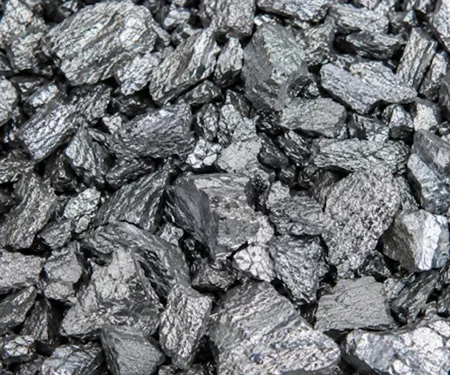
Primary aluminium has long been the backbone of aircraft construction, valued for its unmatched combination of strength, durability, and low weight. Today, its role is expanding beyond performance, into sustainability. With the aviation industry under pressure to reduce its carbon footprint, recycled aluminium is taking centre stage in modern aircraft manufacturing.
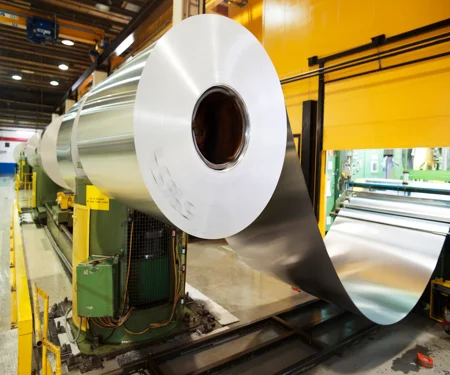
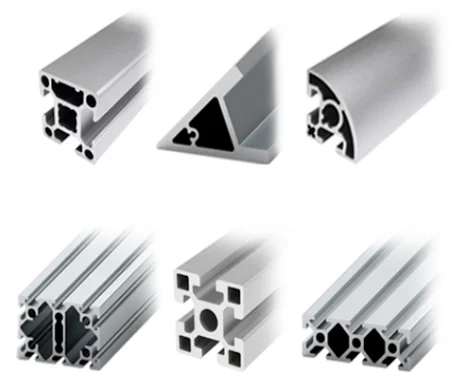
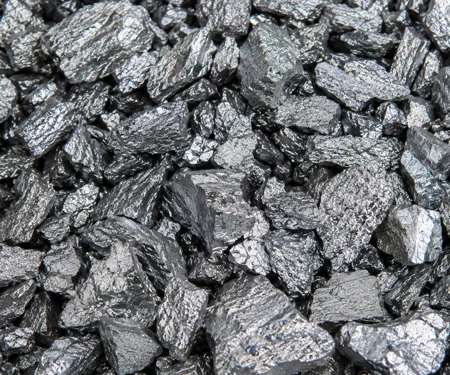
Image for representational purpose
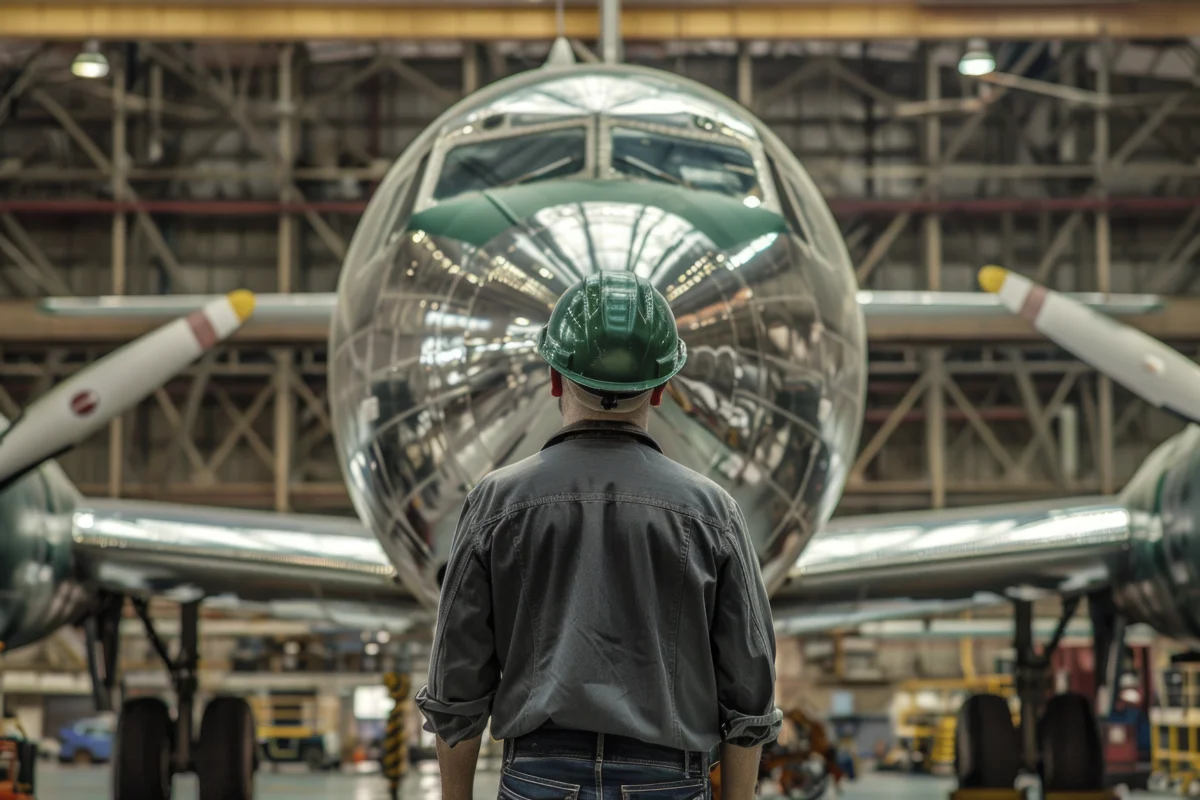
From next-generation commercial jets like the Boeing 787 and Airbus A350 to legacy models such as the MD-11 and Lockheed C-5M Super Galaxy, the metal continues to shape the skies, now with a greener edge.
The backbone of aircraft structures
Primary aluminium's versatility and strength-to-weight ratio make it the ideal choice for the structural integrity of aircraft. Aircraft such as the Airbus A380, Boeing 787 Dreamliner, and the Lockheed C-5M Super Galaxy rely heavily on aluminium alloys to achieve the right balance of strength and weight for optimal performance.
For example, Boeing’s 787 Dreamliner uses high-strength aluminium alloys for its wings, fuselage, and other components. Aluminium alloys are preferred for their ability to maintain structural strength during flight conditions while minimising overall aircraft weight.
This allows for better fuel efficiency, an essential consideration for commercial aircraft in today’s eco-conscious market.
Similarly, the Airbus A380, the world’s largest passenger aircraft, utilises advanced aluminium alloys such as 7040-T7451 for its fuselage frames and 7449-T7651 for wing ribs, selected for their exceptional static strength and resistance to structural damage.
Turning scrap into flight: the rise of recycled aluminium
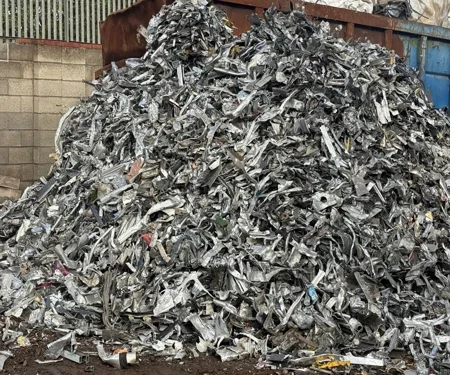
As the aviation industry continues to evolve, so does the need for sustainability. Recycling aluminium is not just a trend; it’s a necessity. The process of recycling aluminium uses 95 per cent less energy than producing new aluminium from raw bauxite, significantly reducing carbon emissions. This is particularly important for aerospace manufacturers striving to reduce their carbon footprint.
Aircraft such as the Boeing 787 and Airbus A350 are beginning to incorporate more recycled aluminium into their structures, reducing the need for primary aluminium. Boeing has taken steps to close the loop by ensuring that materials from end-of-life aircraft are reused in new builds, creating a more sustainable production cycle. This effort is a significant part of Boeing’s commitment to achieving net-zero carbon emissions by 2050.
On the Airbus side, the company is investing in closed-loop recycling, which allows aluminium scrap from production lines or decommissioned aircraft to be reused in the creation of new aircraft by 2026.
Even as modern materials like composites gain popularity in aerospace, aluminium remains a foundational metal especially in legacy aircraft that once defined commercial and military aviation. Its exceptional strength-to-weight ratio and durability made it the material of choice for decades, particularly in aircraft designed for long-haul or heavy-lift operations.
The McDonnell Douglas MD-11, introduced in the early 1990s, is a prime example. Built with high-strength 7xxx-series aluminium alloys such as 7150-T61, the aircraft featured aluminium extensively across its wings, fuselage, and empennage.
In the military sector, the Lockheed C-5M Super Galaxy exemplifies aluminium’s strength and utility. As one of the largest military transport aircraft, its semi-monocoque fuselage and wings are built primarily from aluminium alloys, enabling it to haul oversized cargo globally while maintaining structural efficiency.
The Bombardier Q400, a popular regional turboprop, also relies heavily on high-strength aluminium alloys in its fuselage and wings. This lightweight construction boosts fuel efficiency and supports the aircraft’s frequent short-haul operations.
The road ahead: aluminium’s future in aerospace
The future of aluminium in aerospace is increasingly tied to sustainability, with manufacturers focusing on circularity through improved recycling technologies and closed-loop systems. These innovations are helping reduce waste and energy use across the industry.
As demand for greener aviation grows, aluminium’s lightweight, durable, and recyclable qualities make it essential to modern aircraft design. With continued investment in recycled materials and eco-friendly production, aluminium is set to remain a key driver in the industry's push toward net-zero carbon emissions.
Note: To feature your brand and share insights, contribute an article or interview in our forthcoming e-magazine "American ALuminium Industry: The Path Forward."












_md.webp)