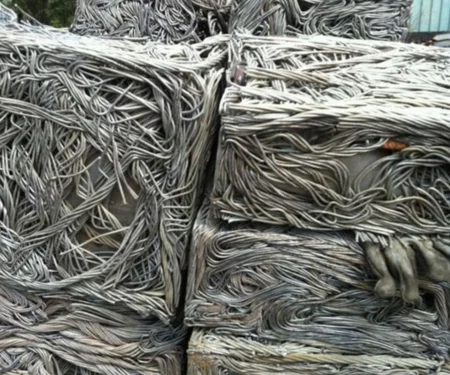
The second life of an aluminium can depends on one crucial step
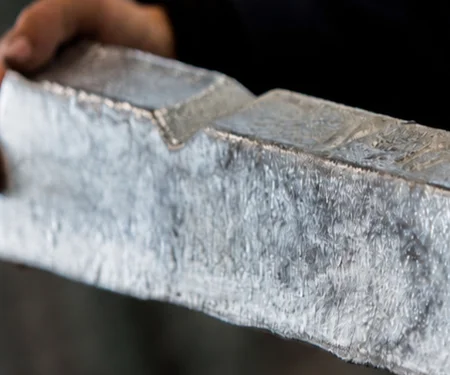
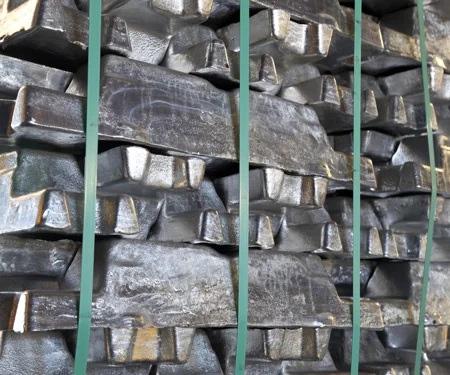
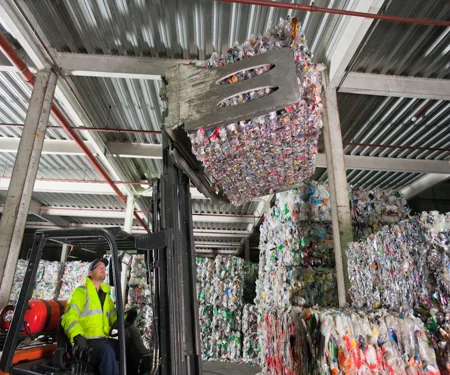
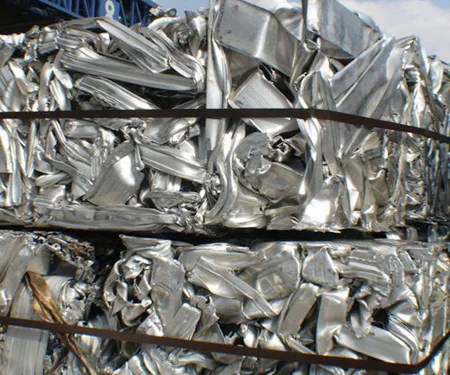
Stock image for referential purposes only
Aluminium’s lower-energy recycling process offers a major sustainability benefit, but collection, recovery and credible evidence are needed to turn that potential into measurable results.
The challenge extends beyond whether a can is recyclable. It is about keeping aluminium in circulation and demonstrating what happens to it after use. GlobalData’s Q3 2025 survey of 21,000 people across 42 countries offers one indication of the communication challenge: consumers associate metal drinks packaging with sustainability far less often than glass.
The survey asked about overall metal packaging. Nonetheless, the findings are relevant to aluminium, a major material in beverage packaging. Only 21 per cent of respondents considered metal a sustainable choice for alcoholic drinks packaging, while 22 per cent said the same for non-alcoholic drinks.
Glass recorded 51 per cent and 50 per cent, respectively. Plastic received 21 per cent for alcoholic drinks and 23 per cent for non-alcoholic drinks, while paperboard scored 34 per cent and 36 per cent.
The value of aluminium depends on what happens after use
Aluminium is lightweight and durable, and it can be recycled repeatedly without losing its basic properties. Beverage cans are also suited to deposit return schemes, which can encourage consumers to return used containers.
However, technical recyclability alone does not guarantee that packaging will be collected, sorted or made into another useful product. If used cans are not recovered, their recycling potential remains unrealised.
The energy difference between primary and recycled aluminium makes the recycling stages particularly important. According to the International Aluminium Institute (IAI), recycled aluminium uses around 95 per cent less primary energy than production from primary material.
Primary aluminium production, which uses mined raw materials, is energy-intensive. Its carbon footprint also varies according to the electricity sources used in production. Recycled aluminium can reduce the energy required, but the environmental performance of a finished pack still depends on its recycled content, production energy, transport and end-of-life treatment.
For packaging producers and beverage brands, the recycling symbol therefore tells only part of the story. Stronger sustainability claims need evidence about recycled content, collection rates, local infrastructure and the final use of recovered material.
What consumers associate with sustainable packaging
GlobalData’s Q3 2025 survey asked whether consumers considered it reasonable for a brand to describe itself as sustainable when using different packaging materials. The results show that metal and plastic received nearly identical responses.
Glass had the strongest association with sustainability, followed by paperboard. GlobalData described metals as being “at risk of losing the sustainability narrative” without stronger consumer education.
The findings do not establish that glass has a lower environmental impact than aluminium. The survey measures consumer perception, not lifecycle performance.
In separate research on aluminium packaging, GlobalData principal consumer analyst Richard Parker said many consumers remain unfamiliar with aluminium’s recyclability and continue to hold negative views of its sustainability.
That gap matters commercially. Packaging decisions may be informed by lifecycle assessments, but consumers can respond to simpler ideas about a material’s appearance, origin and recyclability.
Glass bottles and jars are familiar features of household recycling, bottle banks and returnable packaging. Consumers can readily picture a bottle being reused or recycled. Aluminium’s closed-loop potential may be less visible: people put a can into a collection system but rarely see it sorted, remelted and made into new packaging.
At the same time, glass is heavier than aluminium, potentially increasing transport requirements. Its production requires high-temperature furnaces, while the weight and fragility of bottles can add complexity to reuse systems. The survey does not compare these lifecycle factors, so its results should not be treated as proof of environmental superiority.
Join the fourth edition of webinar "Hedging for recyclers - Become an expert in 6 hours" by Jorge Dyszel.
Regulation is shifting attention towards real recycling performance
Packaging regulation is placing greater emphasis on how materials perform within collection and recycling systems.
The EU Packaging and Packaging Waste Regulation began applying on August 12, 2026. It sets recycling targets of 50 per cent for aluminium packaging waste and 70 per cent for glass, increasing to 60 per cent and 75 per cent, respectively, by 2030.
The regulation will also introduce recyclability performance grades from 2030. Requirements covering whether packaging is recycled at scale are due to follow from 2035.
This direction places greater weight on practical outcomes rather than theoretical recyclability. Producers will increasingly need to demonstrate that packaging can move through collection and recycling systems.
Deposit return schemes can support aluminium recovery by encouraging consumers to return drinks containers and providing relatively clean material streams. They can also make the circular process easier to understand.
Clear communication is essential. Consumers need to know whether a container is covered by a deposit, where it can be returned and what happens to it afterwards.
Aluminium’s beverage market still has room to grow
GlobalData ranks aluminium second globally by beverage pack units sold and expects the material to record growth of more than 2 per cent over the next five years.
Demand is being supported by ready-to-drink products, functional beverages, hard seltzers, premixed cocktails and smaller on-the-go formats.
But growth opportunities also make it important for aluminium’s sustainability credentials to be supported by evidence. Brand owners increasingly use packaging choices to support environmental commitments and product positioning. If consumers associate glass or paperboard more strongly with sustainability, those perceptions may influence material specifications, even when lifecycle studies present a more complex picture.
The issue may be particularly relevant to premium products. Aluminium bottles and cans can offer low weight, durability and high recycled content, but those benefits need to be communicated clearly and credibly.
Packaging suppliers can help brands by reporting recycled content, collection performance, production carbon intensity and the proportion of recovered aluminium returned to packaging applications. Comparable lifecycle data can also help buyers assess different formats without reducing sustainability to a single material characteristic.
Turning circularity into a visible result
GlobalData’s findings show that aluminium’s recycling credentials are not automatically understood by consumers. But the central task for the industry goes beyond changing perceptions: it is to ensure that used aluminium is recovered and returned to productive use, while making that process easier to see and verify.
Aluminium producers, packaging manufacturers, brands, retailers and deposit scheme operators all have a role in explaining how containers are collected, how recovered metal is used and why recycled aluminium requires much less energy than primary production.
Aluminium’s circularity advantage rests on more than being recyclable. Recovering the metal, returning it to production and providing credible evidence of those outcomes are what turn that potential into practice.
Looking for secondary aluminium? Explore a wide range of aluminium scrap and recycled aluminium products from global suppliers on AL Biz.
The 4th European Green Aluminium Summit 2026
Next articleVedanta kicks off sustainability month, pledges action across climate, water, community welfare
Grow with
AL Circle