www.financialexpress.com
Aluminium firms seek increase in import duty
Edited by : AL CIRCLE
3 min read

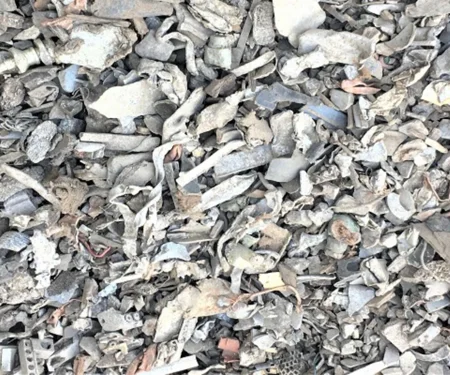
Forced to operate their plants at nearly half the capacity due to burgeoning imports from China, aluminium companies on Thursday urged the government to raise import duty on aluminium metal scrap and the metal itself to 10% from 2.5% and 5%, respectively.
In a presentation to the mines ministry, aluminium producers said though the country’s installed production capacity currently stands at 4.2 MT, the production was just half of that in the previous fiscal, mainly because of cheaper imports. As a result, their share in domestic consumption fell to 44% last fiscal from 60% in FY11. During the same period, the share of imports went up to 56% from 40%.
China and West Asia contribute to a lion’s share of aluminium imports to India, which consumed around 2.8 MT last fiscal. Companies from these countries enjoy an advantage of around $100 per tonne over Indian firms’ cost of production of $1,750 a tonne.
“The surge in imports from China and West Asia was a whopping 159% at 1.56 MT in 2015 against 0.88 MT in 2011. This has forced us to underutilise the domestic aluminum production capacity and threatened our cumulative investments worth Rs 1.2 lakh crore,” said Abhijit Pati, CEO (Aluminium), Vedanta.
China, which accounts for 50% of global aluminium production, is exporting more than 20% of its produce and its exports to India have surged 32% CAGR in last five years. Imports from West Asia during the period have gone up 14% CAGR, Aluminium Association of India (AAI) said in its presentation.
The aluminium story is quite similar to steel’s, where producers are battling subdued demand, rising cost of production, costlier raw materials and galloping imports. In both cases, the price of metal has fallen.
Recently, the government raised import duty on a range of steel products by 2.5%, aiming to providing the domestic industry some cushion from rising imports from China, Japan and South Korea.
The cost of generation of electricity, which accounts for nearly 40% of the total domestic cost of aluminium production, has gone up drastically, with coal prices having risen 24% in the last three years, they said. Shortage of bauxite and alumina for aluminium smelters has also posed a threat.
Continuous fall in international prices in the recent years hasn’t helped either. LME prices have come down 35% in the last three years to $1,660 per tonne in June 2015, from a peak of $2,555 per tonne in June 2011.
That said, the main cause of concern remains rising imports. To capture global markets and gain competitive edge, China offers indirect subsidy like power tariff discounts of around $200 per tonne to aluminium smelters, 13% VAT rebate on exports and favourable terms of credit to its companies, the industry body claimed. Besides, China has also reduced freight rates and removed import duty on alumina for its producers.
In a presentation to the mines ministry, aluminium producers said though the country’s installed production capacity currently stands at 4.2 MT, the production was just half of that in the previous fiscal, mainly because of cheaper imports. As a result, their share in domestic consumption fell to 44% last fiscal from 60% in FY11. During the same period, the share of imports went up to 56% from 40%.
China and West Asia contribute to a lion’s share of aluminium imports to India, which consumed around 2.8 MT last fiscal. Companies from these countries enjoy an advantage of around $100 per tonne over Indian firms’ cost of production of $1,750 a tonne.
“The surge in imports from China and West Asia was a whopping 159% at 1.56 MT in 2015 against 0.88 MT in 2011. This has forced us to underutilise the domestic aluminum production capacity and threatened our cumulative investments worth Rs 1.2 lakh crore,” said Abhijit Pati, CEO (Aluminium), Vedanta.
China, which accounts for 50% of global aluminium production, is exporting more than 20% of its produce and its exports to India have surged 32% CAGR in last five years. Imports from West Asia during the period have gone up 14% CAGR, Aluminium Association of India (AAI) said in its presentation.
The aluminium story is quite similar to steel’s, where producers are battling subdued demand, rising cost of production, costlier raw materials and galloping imports. In both cases, the price of metal has fallen.
Recently, the government raised import duty on a range of steel products by 2.5%, aiming to providing the domestic industry some cushion from rising imports from China, Japan and South Korea.
The cost of generation of electricity, which accounts for nearly 40% of the total domestic cost of aluminium production, has gone up drastically, with coal prices having risen 24% in the last three years, they said. Shortage of bauxite and alumina for aluminium smelters has also posed a threat.
Continuous fall in international prices in the recent years hasn’t helped either. LME prices have come down 35% in the last three years to $1,660 per tonne in June 2015, from a peak of $2,555 per tonne in June 2011.
That said, the main cause of concern remains rising imports. To capture global markets and gain competitive edge, China offers indirect subsidy like power tariff discounts of around $200 per tonne to aluminium smelters, 13% VAT rebate on exports and favourable terms of credit to its companies, the industry body claimed. Besides, China has also reduced freight rates and removed import duty on alumina for its producers.
Unlock full access – sign up for FREE.
Key benefits
Find exclusive data-driven insights and in-depth analysis
Get our daily newsletter delivered straight to your inbox
Access real-time and historical price trends from global indices
Post and respond to latest business leads
Stay ahead with alerts on learning tools
...and so much more!SIGN UP / LOGIN
Previous article
Vedanta to announce its production results for Q1 FY2016 on July 31
Next articleDaily average aluminum output falls to 68,500 tonnes in June: IAI
Grow with
AL Circle