Aluminium du Maroc: A drastic 30% slump in turnover for H1 of 2020
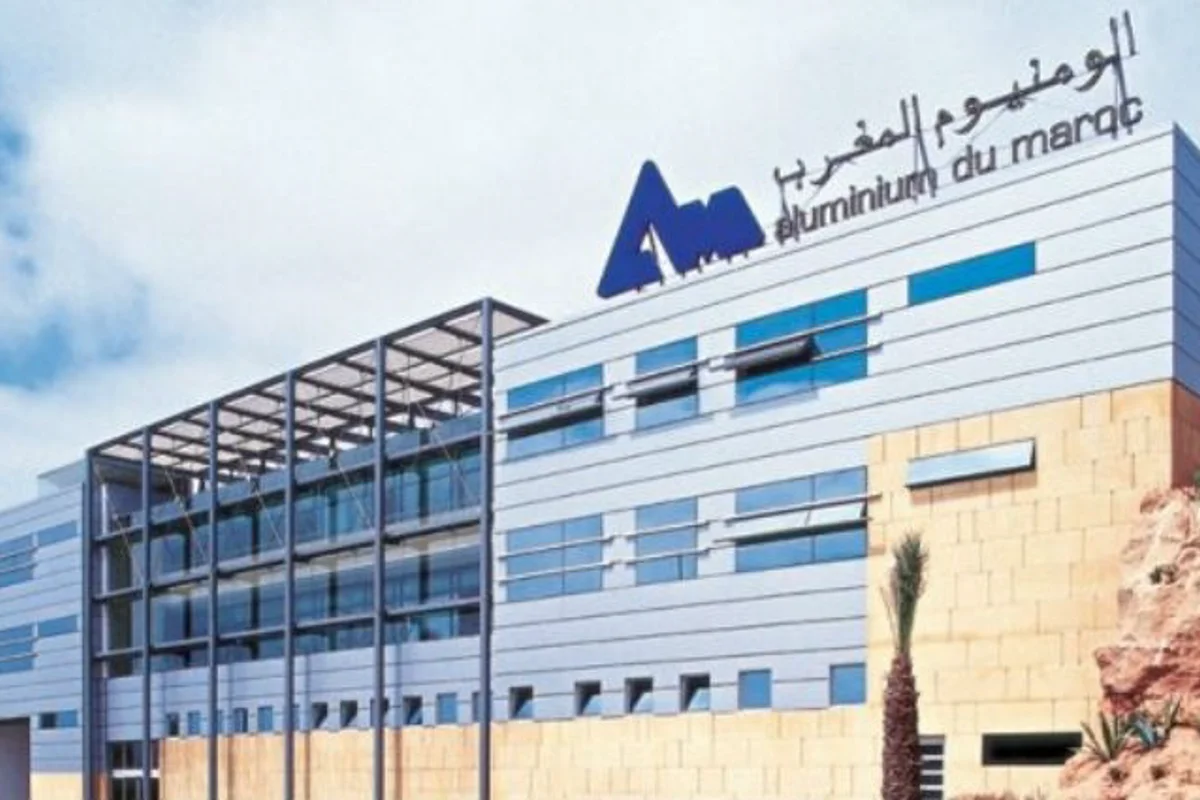
The Casablanca Stock Exchange-listed company; Aluminium du Maroc has achieved a turnover of around 304 million dirhams for the first six months against 437.3 million dirhams in the same phase of the previous year, thus marking a drop of 30%.
The slump follows the downward trend in commodity prices and the decline in commercial activities linked to the COVID-19 pandemic which impacted both on domestic and export markets. This is what the company indicates in its recent financial communication published on the Stock Exchange website. Despite this poor performance, Aluminum du Maroc indicates that the pace of orders has accelerated since the beginning of July, entering the last quarter with a reasonably optimistic order booking.
The quarterly trend in turnover shows a dip of 42% compared to the second quarter of the year, amounting to 130.2 million dirhams against 225.6 million dirhams achieved in the same period of last year.
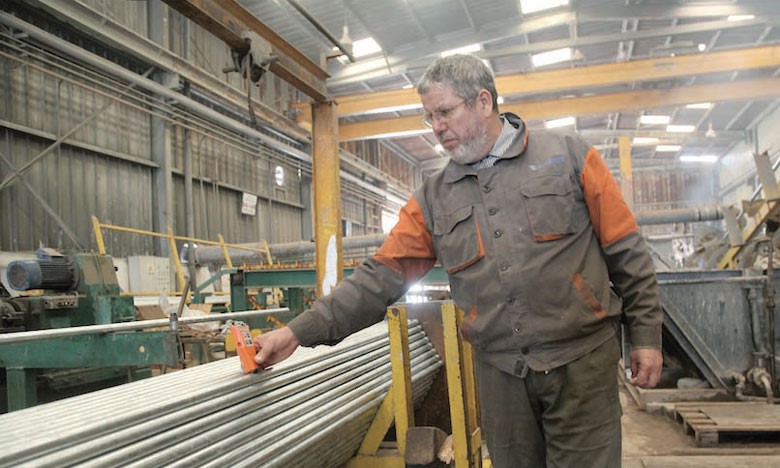
Aluminium du Maroc, in its communication, explains: "The turnover achieved in the second quarter of 2020 combined with the efforts undertaken to maintain employment and the respect of commitments to suppliers resulted in a negative industrial margin of 4.1 million dirhams in the second trimester. This worsened the performance of the half-year margin, which stood at 10.7 million dirhams, a decrease of 72% compared to 2019.”
In terms of investments, the company injected 11.6 million dirhams in the first half, marking a peak of 427% compared to the same period of the previous year.

Aluminium du Maroc, also commented: “The investment program for the modernization of industrial facilities initiated in 2018 continued during the first quarter of 2020. The technical teams took advantage of the time freed up by the drop in activity to install various equipment and carry out the annual maintenance program upstream of the summer period.”
Besides, the company's indebtedness was consolidated by 61% in the H1, reaching 253.8 million dirhams at the end of June. This increase is mainly due to the temporary increase in inventories and partly to contracts for the rescheduling of customer debts.
Trimet Aluminium SE brings up Alloy for 3D Printing
Next articleMexico’s import of Aluminium Tubes and Pipes reveals rapid growth with a steady fall during 2017-20
Grow with
AL Circle