The term "smart" has evolved beyond its traditional association with human intellect, finding its way into the heart of modern industry. Today, it stands as a symbol of innovation and foresight, shaping everything from smart technologies that revolutionise how we live and work to smart environments that redefine the spaces we inhabit and smart ecosystems that connect nature and technology in harmony. This transformation reflects an undeniable global momentum to weave sustainability into every thread of existence, creating solutions that optimise efficiency and nurture the planet. And when talking about sustainability, aluminium stands out as the ultimate choice.
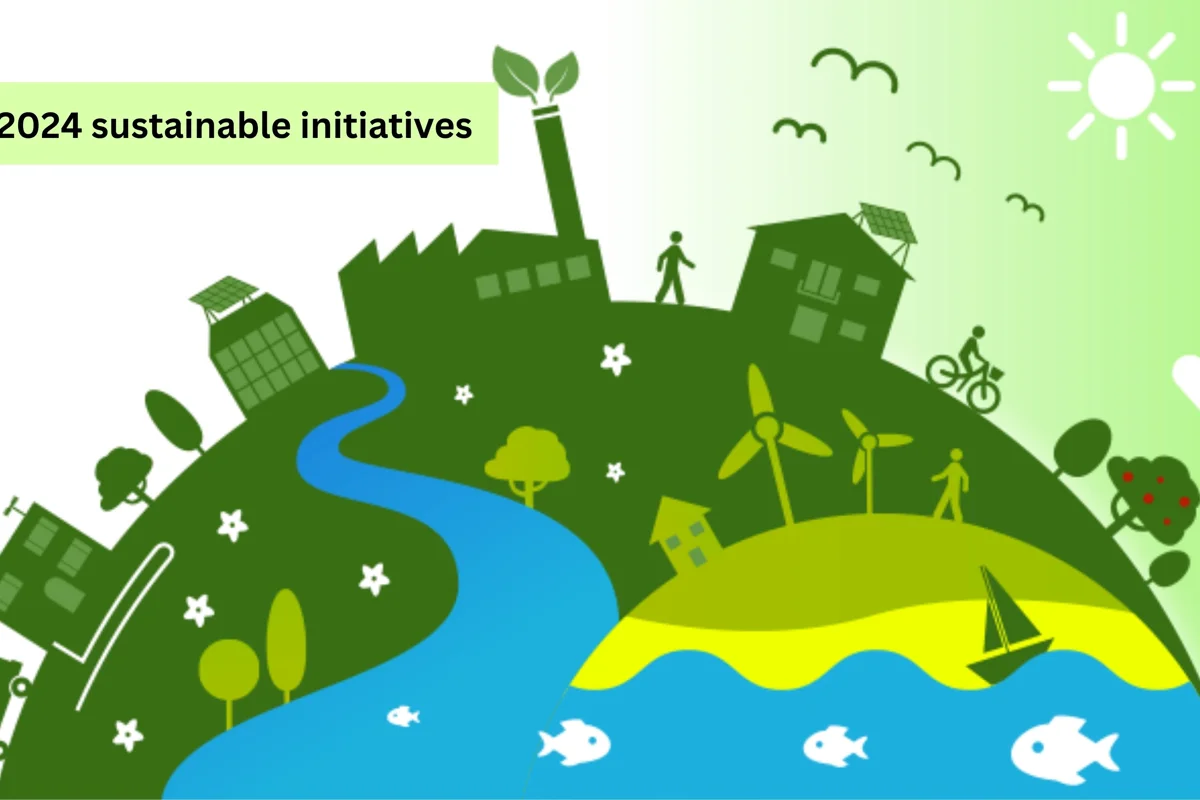
Unlike most materials that degrade with each cycle, aluminium retains its quality through endless reuses, transforming old products into new ones with minimal energy input. This unique feature dramatically reduces its carbon footprint, offering a sustainable alternative across industries, from sleek, fuel-efficient vehicles to solar panels powering the green transition. Below is a list of some of the top sustainable initiatives carried out in 2024 –
Array Technologies and ALUPCO® illuminates MENA's clean energy future
Array Technologies (Array), a global leader in utility-scale solar tracking solutions, forged a significant partnership with Aluminum Products Company (ALUPCO®), a renowned aluminium extrusion specialist. This collaboration marked a pivotal step towards shaping the future of clean energy in the Middle East and North Africa (MENA) region. By combining their expertise, reliability, and innovative capabilities, Array and ALUPCO® are poised to play a transformative role in revolutionising the energy sector in Saudi Arabia and the wider MENA region. Their shared commitment to excellence, emphasising high performance and sustainability, establishes both organisations as trailblazers and innovators in the renewable energy industry.
Rio Tinto aims to reduce carbon emissions by 50%
Rio Tinto is leading the development of Australia's largest solar power project, the 1.1GW Upper Calliope Solar Farm, located near Gladstone. Demonstrating its commitment to sustainability, Rio Tinto has agreed to purchase all electricity generated by the solar farm through a 25-year power purchase agreement (PPA) with European Energy Australia. This renewable energy initiative aims to power its Gladstone operations. It aligns with the company's goal to reduce its direct and indirect emissions by 50 per cent by 2030, ensuring sustainable aluminium production on the East Coast.
By integrating additional renewable energy sources and implementing robust firming, transmission, and industrial policies, this project could play a key role in revitalizing Rio Tinto's three Gladstone facilities: the Boyne aluminium smelter, the Yarwun alumina refinery, and the Queensland Alumina refinery. The agreement not only increases the flow of renewable power into one of Australia's major industrial regions but also represents a significant step toward achieving Rio Tinto's global ambition of halving its Scope 1 and Scope 2 carbon emissions by 2030.
Hydro’s move towards sustainability
Hydro Rein is joining forces with Pajala Almänning to develop a large-scale wind power project to meet the growing demand for renewable energy in northern Sweden. The two parties have signed a land lease agreement to establish wind power across 7,000 hectares in price area SE1. The project will be located at Karhuvaara, in the southern part of Pajala municipality, an area renowned for its excellent wind conditions. It is expected to feature 50 wind turbines, marking a significant step toward enhancing the region's renewable energy capacity.
Hydro Energi AS, a subsidiary of the Norwegian aluminium and renewable energy company Hydro, has strengthened its commitment to sustainable aluminium production by signing a long-term power purchase agreement (PPA) with Å Energi. The 10-year contract, set to begin in 2025 and continue through 2034, ensures the supply of 438 GWh of electricity annually to Hydro's aluminium plants in Norway, amounting to a total of 4.38 TWh over the agreement's duration.
Thailand’s push toward renewable energy
In a strategic effort to promote eco-friendly manufacturing, the Industrial Estate Authority of Thailand (IEAT) has partnered with Japanese industry leaders IHI Corporation and IHI Asia Pacific (Thailand) Co. The collaboration centres on the Smart Park Industrial Estate in Rayong, highlighting the critical need for green infrastructure and renewable energy to foster a sustainable industrial ecosystem. As part of this groundbreaking initiative, the IEAT is conducting a one-year feasibility study, marking the project's inaugural phase. With the IEAT targeting a 40% reduction in greenhouse gas emissions by 2030, this initiative aligns with the pressing need for sustainable practices, particularly in aluminium production. The adoption of renewable energy and green infrastructure will be instrumental in meeting these ambitious goals while addressing the challenges posed by non-tariff barriers such as CBAM.
Kárahnjúkar hydropower plant
The Kárahnjúkar Hydropower Plant stands as Iceland's most extensive industrial development to date. Completed over five years at the cost of $1.2 billion (€1.1 billion), the project encompasses 73 kilometres (45 miles) of tunnels, five dams, and three reservoirs, resulting in an annual electricity output of 4,600 GWh. The Icelandic government actively promotes hydropower as a cornerstone of its economic growth strategy, mainly to supply energy for power-intensive industries. While investors are exploring new hydropower initiatives, Kárahnjúkar is anticipated to remain Iceland's preeminent hydropower facility, generating more electricity than the nation's three next largest hydro plants combined. Named after the nearby Kárahnjúkar Mountains, the plant boasts an installed capacity of 690 MW, making it the largest in the country. To produce electricity, the project involves damming the Jökulsá á Dal and Jökulsá í Fljótsdal Rivers.
Constellium leads the charge towards sustainable automotive manufacturing
On February 28, 2024, Constellium SE announced its leadership in a groundbreaking R&D initiative called "Close the Loop," in collaboration with leading recycling enterprises in France. This consortium includes INDRA, a specialist in automotive recycling; GALLOO, a key player in metal recycling; and MTB RECYCLING, renowned for its expertise in metal shredding and sorting. Constellium, a global leader in rolled and extruded aluminium solutions for the automotive industry, actively supports the transition to a low-carbon economy and promotes a circular economy through strategic partnerships across the value chain. Partially funded by the French Environmental Agency ADEME under the France 2030 program, the "Close the Loop" project aims to develop innovative technologies to dismantle, sort, and remelt wrought aluminium from end-of-life vehicles for reuse in future automotive applications. Recycling aluminium uses just 5 per cent of the energy required to produce primary metal, resulting in a 95 per cent reduction in greenhouse gas emissions.
Tomago Aluminium’s complete clean energy transformation
Tomago Aluminium, Australia's leading smelter, is taking a bold step toward sustainability with a major wind and solar tender. As the country's largest energy consumer, Tomago's shift to renewable energy sets a groundbreaking example for the aluminium industry, paving the way for a more sustainable future. Andrew Newman, Tomago's chief financial officer (CFO), implied: "This (request for proposals) is the next step in the process. We are looking for a long-term deal that will provide us with a greener power supply. We need the deal to be economically sustainable for the long term because we don't just want to survive at Tomago; we want to thrive well into the next decade and beyond."
Speira's green commitment
Speira is making a significant industrial investment in Norway's Vestfold province by installing a new furnace at its Holmestrand foundry. Valued at over NOK 400 million, the project is scheduled for completion by summer 2026, representing a major expansion effort. Speira's supervisory bodies have approved a NOK 414 million investment in the new furnace, designed specifically for processing recycled materials. Once operational, this long-anticipated addition will enable the Holmestrand site to handle an extra 22,000 tonnes of scrap annually, reinforcing Speira's commitment to sustainability and circularity.
EGA pioneers renewable power
On February 29, 2024, Emirates Global Aluminium (EGA), the largest industrial company in the UAE outside the oil and gas sector, celebrated a significant milestone by breaking ground on the region's first industrial data centres powered entirely by renewable energy. Located at EGA's Jebel Ali and Al Taweelah sites, these state-of-the-art facilities will enhance the resilience of the company's computing infrastructure and are designed to achieve Tier III certification from the Uptime Institute, a global standard for data centres. These advanced data centres mark a transformative step for EGA, enabling greater integration of artificial intelligence and automation into its industrial operations. Additionally, EGA plans to cut its total IT energy consumption by 50% through real-time AI-optimized power and cooling management, combined with next-generation computer infrastructure.
Hydro Alumetal to install solar panels for low-carbon,
Alumetal, a Polish aluminium recycling company wholly owned by Hydro, is set to increase the use of renewable energy at its Kety plant. The plant will generate 1,000 MWh of electricity annually from newly installed solar panels and is expected to be operational by the second quarter of 2025. This shift to renewable energy will enhance the production of low-carbon aluminium at the Kety recycling plant, supporting the European green transition. It will also align with Hydro’s decarbonisation strategy, contributing to its goal of reducing carbon emissions by 30 per cent by 2030. The project, which includes installing solar panels and adapting parts of the plant for renewable energy use, represents an investment of EUR 870,000. The investment will also fund modernising the plant’s security and electrical energy measurement systems.
Aluminium's role in sustainability has evolved far beyond being a buzzword—it's now a fundamental pillar in the global quest for a greener future. As industries face mounting pressure to meet ambitious net-zero targets and reduce their carbon footprints, aluminium stands as both a challenge and a solution. The growing recognition of aluminium's importance in achieving environmental goals signifies that the future is not just about making green claims but about delivering measurable impact. It's about embedding sustainability into every product lifecycle stage—design, production, usage, and end-of-life. The industry must continue to prioritize innovation, not just in materials but also in the processes that govern them. This will require collaboration, transparency, and a collective vision focused on a low-carbon economy. Ultimately, the path to sustainability through aluminium is a journey that requires resilience, creativity, and an unwavering commitment to transformation. In the end, it's not just about meeting goals but about reshaping the future—one alloy, one innovation, one step at a time.













_md.webp)
_md.webp)







