您想继续阅读英文文章还
是切换到中文?
是切换到中文?

THINK ALUMINIUM THINK AL CIRCLE


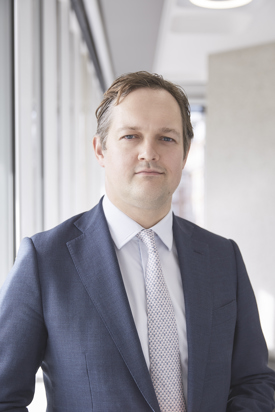
Matthew Chamberlain, the CEO of the London Metal Exchange (LME), plays a pivotal role in shaping global metals trading and price discovery. With deep expertise in commodity markets, he actively drives conversations around aluminium pricing, supply chain transparency, sustainability-linked trading and the impact of geopolitical and macroeconomic developments on the metals industry.
In his interview for "ALuminium LeaderSpeak 2026", he dived deep into the evolving global aluminium market landscape, highlighting how geopolitical tensions, shifting trade patterns, supply-demand imbalances and sustainability pressures are influencing aluminium pricing and market sentiment. It also explores the LME’s perspective on volatility management, responsible sourcing and the future direction of global metals trading.
AL Circle: How is the LME adapting to keep pace with the changing needs of clients and users to ensure that it remains the central price discovery venue for the global metals industry?
Matthew Chamberlain: We are in the midst of making significant changes to our market to make trading more efficient and more accessible for all participants, both physical and financial. The programme is called ‘Enhancing Liquidity’ and we have already delivered changes such as the introduction of new tick sizes and we’re currently welcoming applications for a liquidity provider programme. Perhaps the biggest changes will come over the summer when our block trade rules will take effect.
Collectively, these changes are designed to enhance liquidity and drive more price competition and liquidity in the central order book – notably on LMEselect, our electronic trading platform – for standardised monthly contracts. Throughout the development of the programme, we have been very conscious of the need to balance the needs of the physical market with those of financial users – for example, the key physical market daily cash price, and averaging contracts, are not included in our new rules. We believe that these changes will contribute to end-customers getting a better experience from trading on the LME, whether they are from the physical market or the financial sector.
AL Circle: Since the onset of the geo-political tensions in West Asia there is an ongoing aluminium supply chain disruption in the world. Given the scenario where this conflict lasts long, how do you see the future trade flow across the globe mitigating further supply-chain vulnerabilities?
Matthew Chamberlain: The current situation around the Gulf is undoubtedly having a significant impact on supplies of aluminium. The region is responsible for just under 10 per cent of global production, and already we have seen shipments halted and smelters reducing production or suffering damage, while others seek new routes to get their metal to market. In turn, this has fuelled high prices on our market.
This highlights the role that the LME plays as the market of last resort. And by this I mean that if consumers are finding it difficult to obtain metal elsewhere, they know that if they have a contract to buy aluminium on the LME, then this metal will be available to them. Thanks to our network of LME-approved warehouses, which enable delivery of physical metal, LME prices are kept in line with the physical prices. We can see that consumers are making use of this facility as we have seen both registered and off-warrant stocks being drawn down.
AL Circle: India-origin aluminium inventory in LME has surged 209 per cent year-on-year, reaching 152,500 tonnes. What do you attribute to this significant growth in India-origin aluminium, and do you see this trend continuing?
Matthew Chamberlain: India is, of course, a valuable part of the LME market. Out of a total of almost 400 active brands listed on the LME, 22 are from India, and of those 8 are for aluminium. There are a number of factors which it seems to me are driving this growth. Some are natural advantages such as India’s reserves of bauxite (although we are seeing increasing imports of bauxite, too), as well as growing domestic demand. But it is the investments that big industry players are making, to drive more efficient production, and even ‘green’ low-carbon production that I believe will continue to ensure that India plays a prominent role in the industry
AL Circle: Both the LME aluminium premium dutypaid US Midwest and European premium prices are on rising trend, accumulating 23 per cent and 36 per cent, respectively, since the beginning of 2026. If this upward trajectory continues, what impact do you foresee on inventory levels?
Matthew Chamberlain: It’s important to note that the LME’s core contract is a global one, and so we think about our inventories on a global basis. Of course, if regional premia are high, this may have the effect of causing inventory to move into local consumption – but one also has to consider the effects of tariffs, preferences for certain brands, and so on.
Read the complete interview here