您想继续阅读英文文章还
是切换到中文?
是切换到中文?

THINK ALUMINIUM THINK AL CIRCLE


Dr Mandy Glew serves as President of Beverage Packaging EMEA and Asia at Ball Corporation. She holds a wealth of experience with over two decades of expertise in commercial operations, sales, marketing, and manufacturing within the FMCG industry.
AL Circle: Ball Corporation has just celebrated the 90th anniversary of the beverage can. How has this segment evolved over the decades, and where do you see the potential ahead?
Dr Mandy Glew: From the first steel can in 1935 to today’s aluminium format that can be recycled endlessly, the beverage can has transformed the way we consume drinks. Over the decades, it evolved from a simple container into a highly engineered, design-rich and sustainability-led packaging solution. Today’s cans deliver unmatched functionality – from lightweighting and rapid cooling to serving as a 360° canvas for brand expression. Innovations such as thermochromic and photochromic inks, tactile finishes, laser-engraved tabs and Ball’s Dynamark™ printing platform has elevated the can into a premium, interactive experience for brands seeking personalisation and dynamic engagement with consumers.
Looking ahead, growth will be driven by sustainability, category expansion and technology. Aluminium’s infinite recyclability and its role in meeting decarbonisation targets make it the preferred choice for brands and regulators worldwide. Emerging segments – from functional drinks to low and no alcohol, dairy RTD and protein-based products – combined with advanced retort formats and refill systems, position the can as a solution ready for a new era of packaging. Expanding possibilities beyond beverages, innovations like MEADOW KAPSUL™ show how aluminium packaging can enter new categories such as personal care, reinforcing its versatility and support for circularity and brand storytelling.
More than packaging, the beverage can is a timeless icon – a format that continues to evolve, cut plastic waste and enable a truly circular economy. With rising demand for sustainable solutions and advances in design and refill systems, the can remains a resilient, future-ready choice for the next generation of growth.
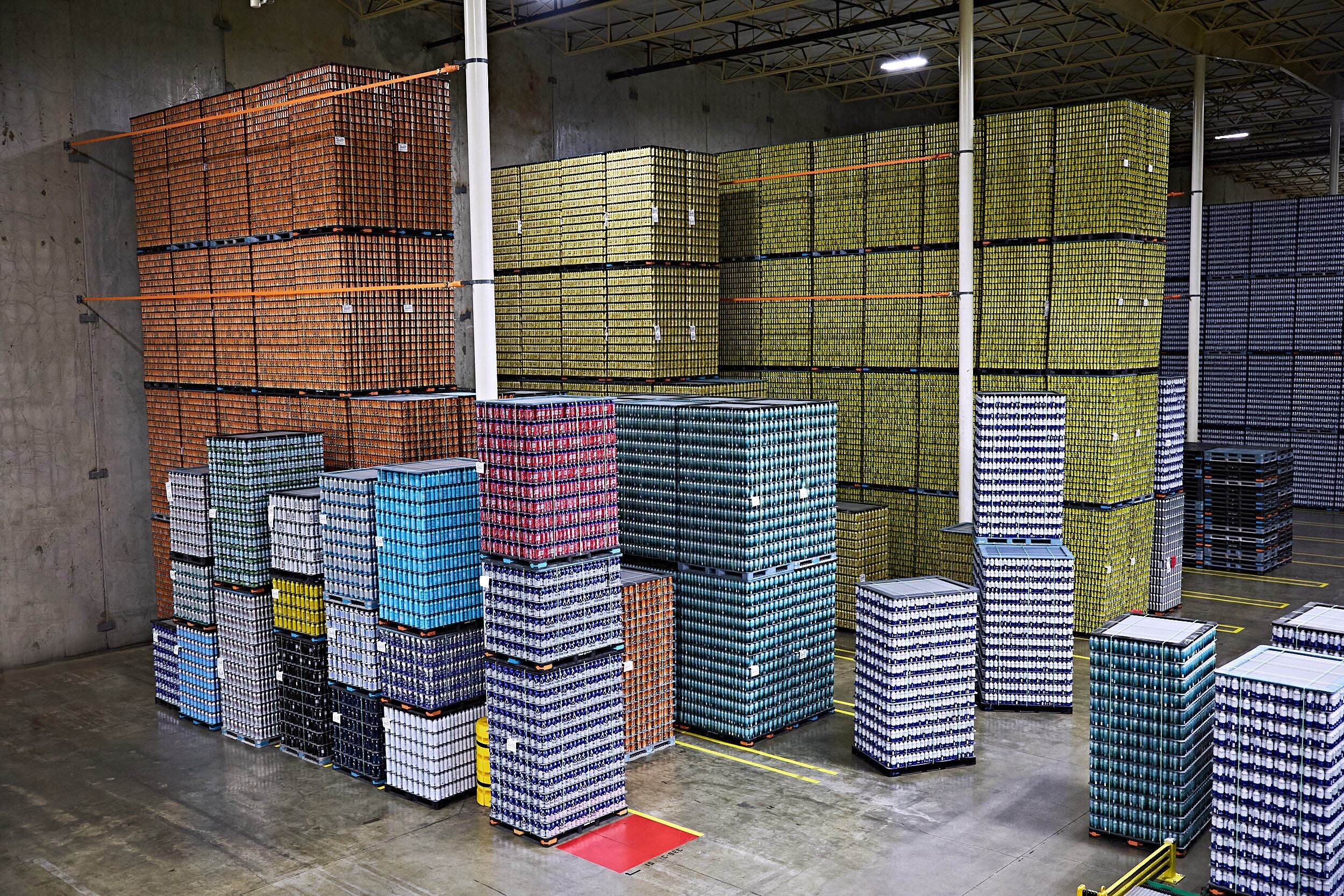
AL Circle: How do you see the changing pattern of aluminium cans consumption? Please share your market size projection of aluminium cans for 2026? As you are increasing your investment in India, how much demand growth do you foresee in the country, and which beverage categories do you think will drive the demand?
Dr Mandy Glew: Aluminium cans have become a cornerstone of sustainable packaging worldwide. Global demand is projected to grow steadily, reaching up to 470 billion units by 2026, driven by consumer preference for circular solutions and regulatory support (Source: Canadean, 2024). Europe already leads with 36 per cent of new beverage launches in cans (Source: Mintel GNPD, 2024), while India is emerging as one of the fastest-growing markets. Our investments in Taloja and Sri City will double local capacity, enabling us to meet rising demand in beer, energy drinks and new ready-to-drink categories.
AL Circle: Other than using recycled aluminium for producing cans, what other ways do you adopt to strengthen sustainability?
Dr Mandy Glew: Sustainability is at the heart of Ball’s strategy and our vision to deliver sustainable solutions for a circular economy. Beyond using recycled aluminium, we take a holistic approach to reducing environmental impact across our operations and value chain. Ball has set ambitious global targets, including reducing absolute Scope 1 and 2 greenhouse gas emissions by 55 per cent by 2030, validated by the Science-Based Targets initiative. We are already making progress, with a 21 per cent reduction achieved by 2024 and 73 per cent of our electricity sourced from renewables globally.
We also focus on resource efficiency through improvements in water use, waste reduction, and lowering VOC emissions. Innovation plays a key role: partnerships with Meadow and Boomerang enable refillable aluminium cartridges and reuse systems that support circularity. In our supply chain, we work to achieve 85 per cent average recycled content in aluminium and lead industry efforts toward a 90 per cent global recycling rate, supported by initiatives like the Aluminium Stewardship Initiative.
Finally, we are pioneering low-carbon aluminium production. Together with Alcoa and Unilever, we have introduced the first use of ELYSIS carbon-free smelting technology, eliminating direct GHG emissions from primary aluminium production. These actions not only reduce our footprint but also help our customers meet their climate goals and respond to growing consumer demand for sustainable packaging.
AL Circle: What is the total value of Ball’s investments in India to date, and over what timeframe will the new Sri City investment be deployed?
Dr Mandy Glew: Ball’s total investment in India now exceeds USD 100 million, including our Taloja facility (announced in 2024) and a new USD 60 million investment in Sri City, Andhra Pradesh. Construction and commissioning at Sri City are expected to be completed within two years. These combined investments will double our annual production capacity in India, supporting accelerating demand from global and domestic beverage brands. This expansion reflects our commitment to sustainability and innovation, including the deployment of retort technology for dairy and ready-to-drink beverages – segments experiencing rapid growth in the region. By investing in high-growth markets, Ball continues to deliver scalable, circular packaging solutions that help customers meet their sustainability goals.
_0_0.png)
AL Circle: Beyond Taloja and Sri City, what are the next strategic steps for Ball in India? Are there plans for new plants, product diversification, or partnerships with Indian beverage brands?
Dr Mandy Glew: India is a cornerstone of Ball Corporation’s global strategy. Beyond the recent expansions at Taloja and Sri City, we are actively assessing opportunities for additional capacity to meet growing demand for aluminium beverage packaging.
Looking ahead, we’re focused on scaling technologies that differentiate Ball in India – such as advanced retort systems that enable shelf-stable dairy and ready-to-drink beverages, and heat pump solutions that improve our environmental performance.
We see strong potential in innovating with customers as new categories emerge, including dairy RTDs, juices, and functional beverages, building on the success of beer and carbonated soft drinks driven by premiumisation and at-home consumption trends.
At the same time, we’re investing in the broader circularity ecosystem, strengthening traceability, collaborating with recyclers, and aligning with India’s EPR framework. Ball’s aluminium cans are designed for closed-loop recycling, fully supporting India’s vision for a circular economy.
Ultimately, our goal is to combine smart, future-ready investments in capacity and technology with innovations that make sustainability simpler and more accessible for brands and consumers across India.






.jpg/275/0)
.jpg/0/0)