您想继续阅读英文文章还
是切换到中文?
是切换到中文?

THINK ALUMINIUM THINK AL CIRCLE


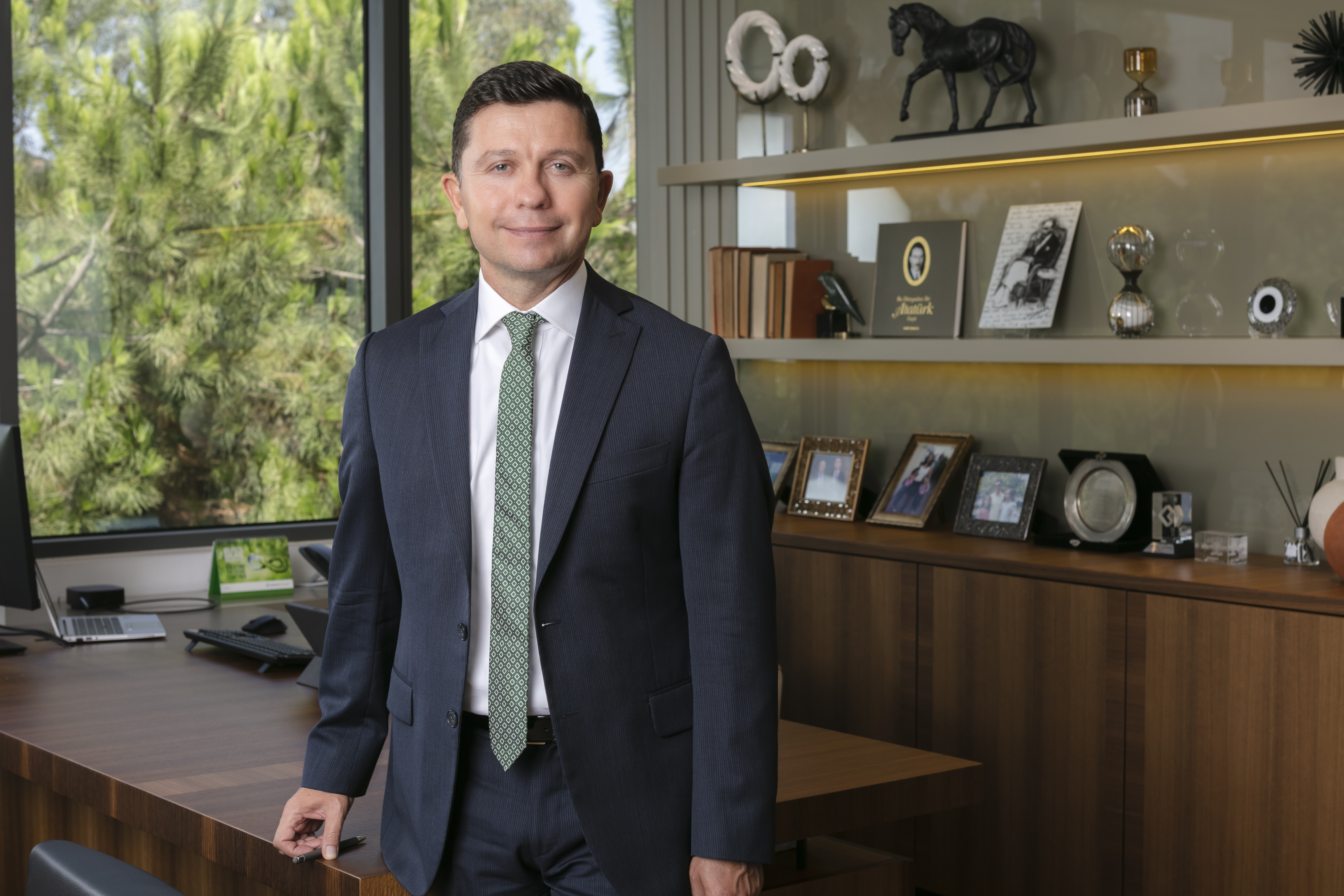
In conversation with Göksal Güngör, the newly elected Chair of the Roller Group at the European Aluminium Foil Association (EAFA), wherein the industry veteran outlines a clear roadmap for the Association’s next phase. Güngör, who also serves as General Manager of Assan Alüminyum, emphasises innovation and sustainability as his top priorities in the new role. In this interview, he has shared his aluminium foil market projection for 2026, while highlighting the key sectors that he expects to drive the trajectory in Europe.
AL Circle: As the newly elected chair of the European Aluminium Foil Association, what will be your first priority in steering the continent’s foil industry toward its next phase of growth?
Göksal Güngör: As the newly elected Chair of the Roller Group within the European Aluminium Foil Association (EAFA), my primary focus will be to build upon the strong foundation laid by my predecessors. Their efforts have significantly contributed to the growth and resilience of the European aluminium foil industry, and I aim to continue this momentum. My overarching goal is to strengthen the industry by addressing key challenges and opportunities, ensuring that we remain competitive on a global scale. This involves fostering innovation, enhancing sustainability practices, and improving the reputation of aluminium foil in its primary end-markets, such as packaging and technical applications.
Competitiveness, sustainability, and market perception are the three pillars that will guide my approach. By prioritising these areas, we can ensure that the European foil industry not only meets current demands but also positions itself as a leader in addressing future challenges. Collaboration across the value chain will be essential to achieving these objectives, and I am committed to working closely with all stakeholders to drive meaningful progress.
AL Circle: What is the current demand for aluminium foil in Europe? What trajectory do you anticipate for the market over the next five years?
Göksal Güngör: Currently, the demand for aluminium foil in the EAFA region stands at approximately 850,000 tonnes per year. While the market outlook is cautiously optimistic, its trajectory will largely depend on the performance of key end-markets, particularly packaging and technical applications. Factors such as the impact of new packaging legislation, like the proposed Packaging and Packaging Waste Regulation (PPWR), and the growth of battery electric vehicle (BEV) manufacturing in Europe will play a significant role in shaping demand.
Another important aspect to consider is the ongoing trend of downgauging, where customers prioritise the surface area of foil rather than its weight. This trend, while not directly reflected in tonnage growth, highlights the industry's ability to innovate and adapt to changing customer needs. Over the next five years, we anticipate steady growth, provided that the industry continues to address these evolving demands and external challenges effectively.
AL Circle: What share of Europe’s aluminium foil output is produced from recycled metal today, and how much scope do you see for raising recycled content in the near term?
Göksal Güngör: Currently, the recycled content in aluminium foil from post-consumer applications remains relatively low due to the specific alloy composition required, which demands high aluminium purity. Additionally, the mixed nature of non-foil scrap collection further limits the potential for increasing recycled content in foil production. However, collected aluminium foil does enter the broader aluminium recycling stream, contributing to the overall sustainability of the material.
Aluminium’s infinite recyclability makes it quite unique among all materials. Therefore, from an environmental perspective, the priority should be on recycling the aluminium in general rather than focusing solely on increasing recycled content in specific applications. Unless collection systems become more homogeneous, as seen with beverage cans in Deposit Return Schemes (DRS), achieving higher recycled content in aluminium foil production will remain challenging. Nonetheless, the industry continues to explore innovative solutions to enhance recycling efficiency and reduce its environmental footprint.
AL Circle: Could you outline the key sustainability commitments guiding the European aluminium foil industry for 2026 and beyond? Additionally, how significant is the role of renewable energy in Europe’s foil production landscape?
Göksal Güngör: The European aluminium foil industry is deeply committed to reducing its environmental footprint and achieving greater sustainability. Key measures include the increased use of low-carbon primary aluminium and a stronger reliance on renewable energy sources during production. These steps are critical to minimising the industry's carbon emissions and aligning with broader environmental goals.
Renewable energy plays a pivotal role in this transition, as it directly impacts the carbon intensity of foil production. By integrating more renewable energy into the production process, the industry can significantly lower its environmental impact while meeting the growing demand for sustainable materials. These commitments reflect the industry's proactive approach to addressing climate challenges and ensuring a sustainable future.
AL Circle: Do you expect packaging to remain the dominant demand driver for Europe’s aluminium foil market in the coming years?
Göksal Güngör: Yes, packaging will continue to be the primary driver of demand for aluminium foil in Europe for the foreseeable future. Its versatility, lightweight nature,
and excellent barrier properties make it an indispensable material for a wide range of packaging applications, from food and beverages to pharmaceuticals.
The impermeability of aluminium foil allows packaging solutions to prolong the shelf life of food products, therefore reducing food waste. The lightweight nature of aluminium foil also makes it more resource efficient compared to other materials. Therefore, as consumer preferences shift toward more sustainable and efficient packaging solutions, aluminium foil's role in the market is expected to remain strong. The industry's ability to innovate will further solidify its position as a key material in the packaging sector.
AL Circle: How much growth in aluminium foil production do you foresee in Europe in 2026?
Göksal Güngör: Given the current economic challenges, the aluminium foil industry is primarily focused on maintaining stable demand in the short term. While significant growth may be difficult to achieve under these circumstances, the sector remains hopeful for gradual improvements as market conditions stabilise.
Looking ahead to 2026, growth will depend on several factors, including the performance of key end-markets, advancements in sustainability practices, and the industry's ability to adapt to regulatory changes. By addressing these challenges proactively, the industry can position itself for steady, long-term growth.