您想继续阅读英文文章还
是切换到中文?
是切换到中文?

THINK ALUMINIUM THINK AL CIRCLE


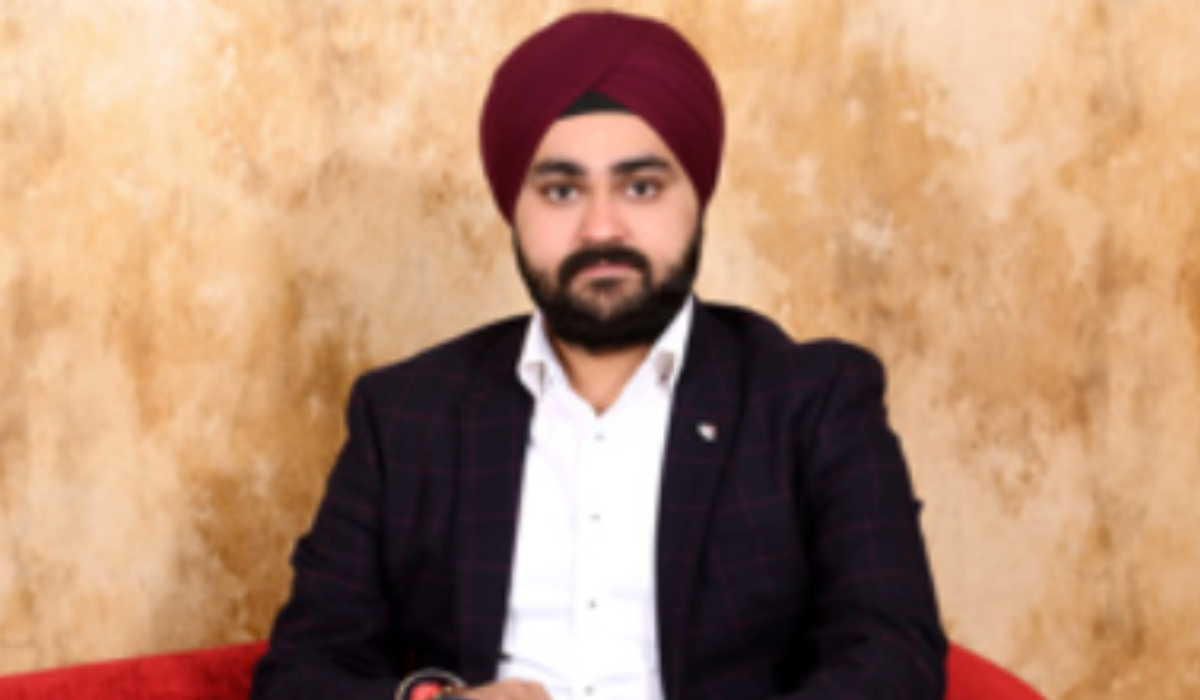
Avneet Singh, Founder & CEO of Medusa Beverages, has rapidly scaled the brand since 2018 through strategic innovation, portfolio expansion, and strong distribution growth. His leadership blends sharp market understanding with a focus on product freshness, brand identity and sustainable long-term momentum.
In an interview for “End-user Revolution: ALuminium's Impact on Modern Living” e-Magazine, Singh walked through India’s shifting beer landscape, rising demand for lighter formats and the growing role of aluminium packaging. It highlights Medusa’s market strategy across formats, cost management, regulatory navigation and its push toward premiumisation, operational efficiency and future-ready sustainability.
AL Circle: How would you describe the current size and growth rate of India’s beer market and within that, the niche for “mild & light” beers vs “premium strong” beers? Apart from this, what role do packaging (can vs bottle) and format size (330 ml, 500 ml, 650 ml) play in your go-to-market strategy?
Avneet Singh: The Indian beer market is at a critical inflection point, growing 6–7 per cent a year. The strong beer segment currently leads the market share, but there’s clear momentum toward lighter, less intense styles associated with a younger, urban consumer looking for less intense, everyday options.
At Medusa, we have built our portfolio to address the needs and requirements of both the strong beer segment with some premium options, followed by lighter options like Medusa Air. Choices on packaging and format help to support that experience as well. Young consumers are increasingly choosing cans because they are convenient and portable and they are often better able to offer more creativity in design and branding. Bottles remain strong in relation to traditional retail.
The size of the format matters too, the 330 ml pack is welcome among younger, urban consumers on the go while 650 ml opportunities continue to serve the value seeking consumer. Searching the balance of these formats allows us to address consumer segments and regional variations.
AL Circle: From a cost and performance perspective, how do aluminium cans compare with glass bottles for your brand in terms of production, distribution efficiency and carbon footprint?
Avneet Singh: Both aluminium cans and glass bottles bring unique advantages, and our approach balances cost, logistics, and sustainability. Glass bottles remain popular in many regions due to existing supply chains, but they’re heavier, more fragile, and costly to transport. Aluminium cans are lighter, easier to store and move, and minimise breakage during distribution, which helps us improve efficiency as we scale.
From a sustainability standpoint, cans are also highly recyclable and carry a lower carbon footprint over their lifecycle, provided a robust recycling ecosystem exists. For Medusa, we see the future leaning toward a hybrid model where bottles are used for traditional, volume-heavy markets and cans for urban, on-the-go consumers who value convenience and environmental responsibility.
AL Circle: Your website says Medusa is “the fastest homegrown beer brand in India”. How do you quantify that claim in terms of units sold, growth rate, and market share?
Avneet Singh: When we say that Medusa is India’s fastest-growing homegrown beer brand, we say it with strong metrics, breadth of reach, and consistent acceleration. We exited FY25 at more than a million cases sold, having sustained ~40 per cent year-on-year growth; and we are targeting to double volumes by FY26. In Delhi, one of our strongest markets, we have grown a piece of meaningful share by growing strong and premium variants. Our growth has been quantitative and qualitative as we have entered new states, launched new products, and built the brand with partnerships and refreshing packaging. For us, fast growth is not just about scale - it is about building sustainable momentum through consistent quality, depth of distribution, and brand loyalty.
To delve deeper into the interview, click here.