





The conclusion of a long-anticipated trade agreement between the European Union (EU) and Australia is being welcomed across multiple industrial sectors, but few stand to benefit as clearly as aluminium. At a time when supply chains are under strain and policymakers are increasingly focused on resilience and sustainability, the agreement offers a strategic alignment between two complementary markets.
A tide that raises all boats
For Europe, aluminium has become a material of growing geopolitical importance. It is central to the bloc’s ambitions in electrification, renewable energy, transport and defence. Yet the EU faces structural constraints. Domestic production has declined over the past decade, largely due to high energy costs and tightening environmental standards. As a result, European manufacturers have become increasingly reliant on imports, exposing them to supply disruptions and geopolitical risk.
Australia, by contrast, is one of the world’s leading producers of bauxite and alumina, the key raw materials used to produce primary aluminium. It also hosts a well-established aluminium smelting industry powered in part by relatively stable energy inputs. The EU-Australia trade agreement therefore creates a natural partnership: Europe’s industrial demand matched with Australia’s resource base and export capacity.
One of the most immediate benefits of the agreement is the reduction or elimination of tariffs on aluminium and related products. While tariffs between developed economies are often modest, even small reductions can have a meaningful impact in a sector characterised by tight margins and high volumes. Lower trade barriers are likely to improve price competitiveness for Australian exports entering the European market, providing European buyers with a more diversified and potentially cost-effective supply base.
Beyond tariffs, the agreement is expected to address non-tariff barriers that have historically complicated trade flows. These include regulatory standards, customs procedures and certification requirements. By harmonising or mutually recognising standards, the deal should reduce administrative friction and accelerate the movement of aluminium products across borders. For manufacturers operating on just-in-time production models, such efficiencies are critical.
Geopolitics as well as commerce
The strategic implications of the agreement are arguably even more significant than the immediate commercial gains. In recent years, the EU has sought to reduce its dependence on a narrow group of external suppliers for critical raw materials. Disruptions linked to geopolitical tensions, including sanctions on Russian metals and instability in parts of the Middle East, have underscored the vulnerability of existing supply chains.
Against this backdrop, Australia represents a politically stable and like-minded partner. Strengthening trade ties with Canberra allows Brussels to diversify its sourcing strategy while maintaining alignment on regulatory standards, environmental governance and labour practices. This reduces exposure to geopolitical shocks and enhances the overall resilience of the European aluminium supply chain.
Sustainability is another area where the agreement is likely to have a positive impact. Aluminium production is energy-intensive, and its carbon footprint varies significantly depending on the energy mix used in smelting. The EU has been at the forefront of efforts to decarbonise industrial production, and while many initiatives have been excessive and damaging for business the direction of travel is set.
Australia’s aluminium sector is in the midst of its own energy transition, with increasing investment in renewable power and low-emissions technologies.
A springboard for broader cooperation
The agreement is also likely to stimulate investment and collaboration across the aluminium value chain. European companies may increase their presence in Australia’s mining and processing sectors, while Australian firms could expand their footprint in Europe’s manufacturing ecosystem. Joint ventures, technology transfers and research partnerships could accelerate innovation, particularly in areas such as recycling, energy efficiency and advanced materials.
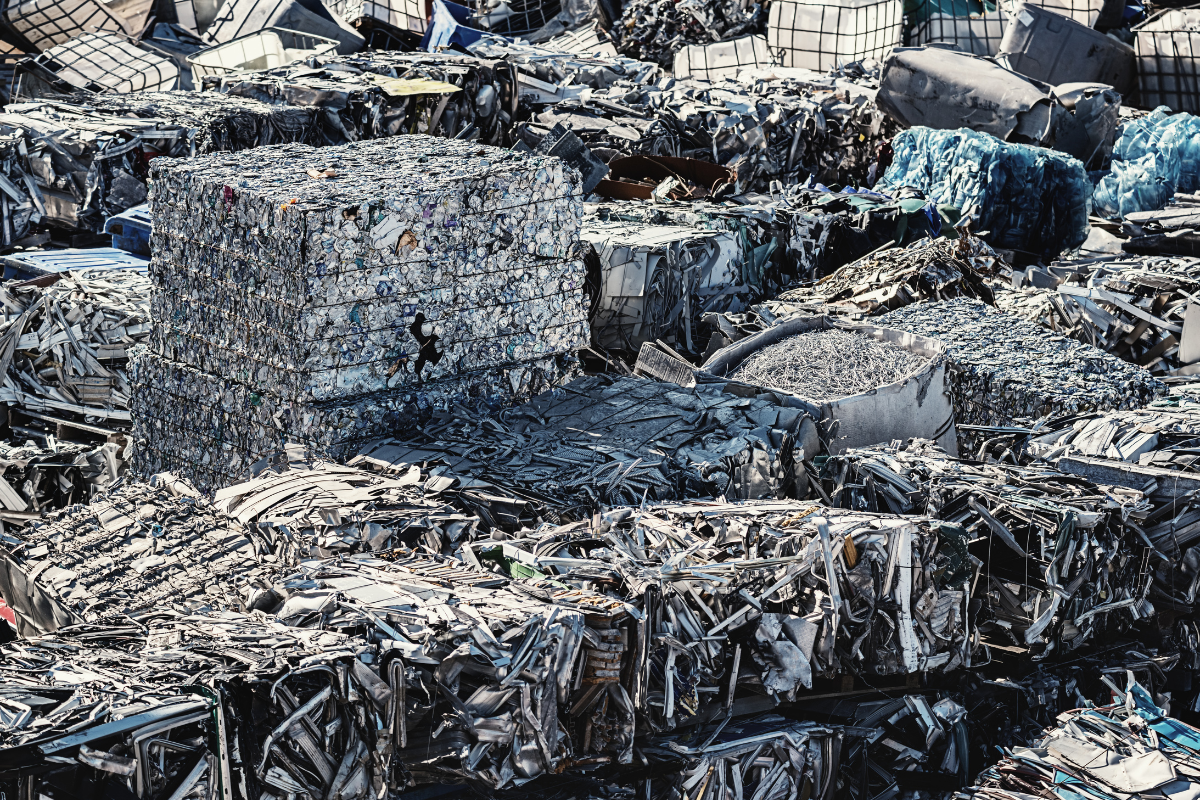
Recycling is a particularly important dimension. Europe already has a relatively high rate of aluminium recycling, which requires only a fraction of the energy needed for primary production. However, demand for aluminium is growing so rapidly driven by electrification, renewable energy infrastructure and lightweight transport that recycled supply alone cannot meet future needs. The EU–Australia agreement helps bridge this gap by ensuring access to primary materials while Europe continues to expand its circular economy capabilities.
From a broader economic perspective, the agreement sends a positive signal at a time when global trade is increasingly fragmented. Rising protectionism and geopolitical tensions have created uncertainty for commodity markets, including aluminium. By contrast, the EU–Australia deal reinforces a rules-based trading system and demonstrates a commitment to open, predictable and transparent trade relations.
This stability is particularly valuable for the aluminium sector, where long-term investments in mining, refining and smelting require a high degree of policy certainty. The agreement provides a clearer framework for trade and investment, encouraging companies to commit capital and plan for the future.
There are, of course, challenges to consider. Transport costs between Australia and Europe remain significant and the economics of long-distance trade will depend on freight rates and energy prices. Moreover, European policymakers will need to balance the benefits of increased imports with the goal of maintaining a viable domestic production base.
Conclusion
Nevertheless, the overall path is clear. The EU–Australia trade agreement strengthens supply chain resilience, supports sustainability objectives and enhances market efficiency. For the aluminium sector, it represents a timely and strategically important development. In an era defined by the intersection of geopolitics, industrial policy and the energy transition, access to reliable and sustainable sources of aluminium is becoming a critical advantage. By deepening ties with Australia, the European Union is taking a significant step towards securing that advantage while creating new opportunities for growth and collaboration across the global aluminium industry.


 Voyagerman Technology


