





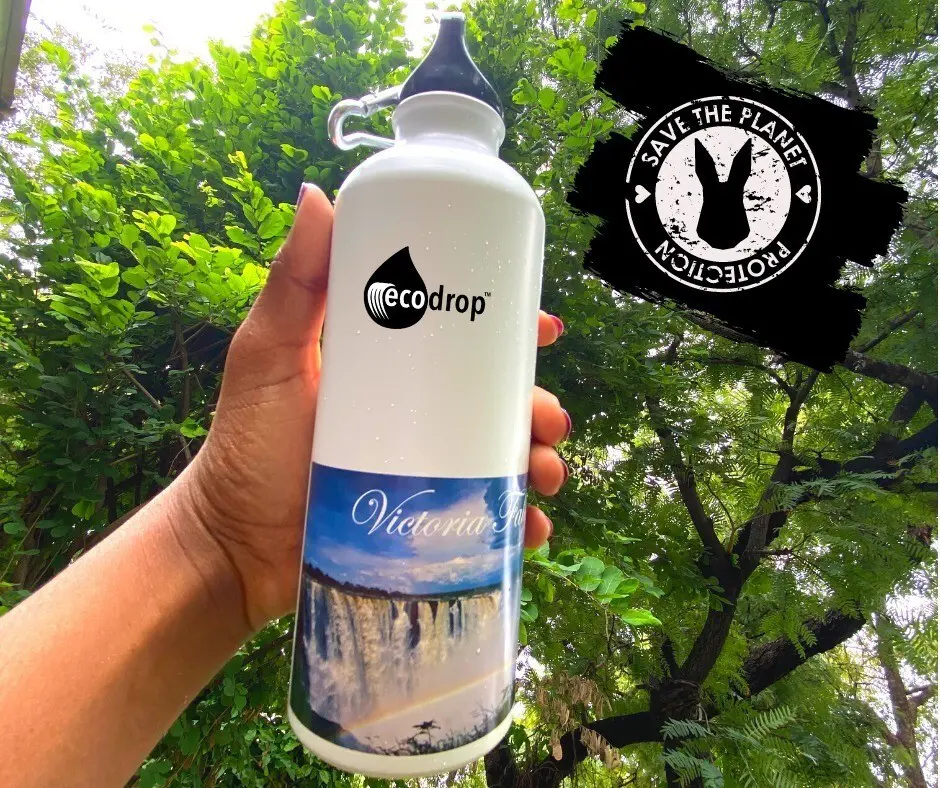
The thundering roar of Victoria Falls draws over a million tourists every year. But behind the awe-inspiring cascades lies a growing problem: the use of single-use plastics.
Tourists wander viewpoints, cameras in hand. Empty plastic bottles litter bins and paths. Wildlife eats plastic; waterways clog. The natural beauty and ecological integrity of this UNESCO World Heritage and Ramsar-listed wetland are under threat.
The challenge: tourism & plastic waste collide
Victoria Falls town produces around 3,300 tonnes of solid waste annually, much of it from single-use plastic bottles left by visitors and residents.
These plastics do more than mar scenery:
- They degrade slowly, breaking into microplastics that contaminate water, soil and aquatic life.
- They block drains and waterways, affecting the health of wetlands and increasing flood risk.
- They harm wildlife: elephants have ingested plastic and died as a result.
The scale is national as well: Zimbabwe generates approximately 300,000 tonnes of plastic waste each year, accounting for roughly 18% of all solid waste.
The solution: EcoDrop’s refillable bottles & refill stations
Enter EcoDrop, a local initiative with a simple but powerful idea: Give people reusable bottles and easy access to clean, refillable water.
- They sell sturdy aluminium bottles (reusable) with QR or barcode systems tied to where the bottle was purchased.
- Refill stations have been installed at high-traffic spots, airports, city centres and public areas. Tourists can scan and refill filtered water.
- In trials, an average tourist staying about 2.5 days refills 14-15 times, avoiding the purchase of many plastic bottles.
- Bottles are designed to last for many refills, enough (30 refills) so that someone could avoid using plastic bottles altogether while in town.
Beyond just bottles: policy & ecosystem protection
EcoDrop’s work is complemented by government and regulatory efforts:
- Zimbabwe enforces laws banning thin plastics (under 30 microns) and polystyrene packaging.
- Environmental agencies emphasise protecting UNESCO sites, rivers and wetlands from plastic pollution due to long-term ecological damage.
These twin paths: private innovation + policy enforcement, help tackle both immediate waste and the systemic drivers of plastic pollution.
The impact: what has changed & what lies ahead
EcoDrop’s system is already making ripples:
- Plastic bottle purchases drop significantly among tourists using refill stations.
- Public awareness is growing: tourists and locals are becoming more conscious of how their behaviours affect the Falls’ ecosystem.
- Waste disposal burden on local councils is easing somewhat, though infrastructure still lags.
Still, challenges remain:
- Ensuring refill stations are readily accessible everywhere visitors go.
- Convincing hotels, lodges and tour operators to switch business models, give up revenue from plastic bottle sales.
- Africa Travel Week
- Maintenance of water purification, enforcement of plastic bans and funding for community-scale infrastructure.
Conclusion: refill, reuse, revive
Victoria Falls is a wonder of nature, not just for today’s tourists, but for generations to come. EcoDrop’s refillable aluminium bottles + refill stations offer a path that threads sustainability into tourism. Combine that with strong policy, infrastructure and awareness, and you get more than clean water: you get cleaner rivers, safer wildlife and a preserved natural legacy.


 Voyagerman Technology


