
.png/0/0)









Aluminium is one of the most transformative materials of modern civilisation. Lightweight, corrosion-resistant, highly conductive, durable and infinitely recyclable, it has become indispensable across sectors ranging from transportation and construction to renewable energy, defence, packaging and consumer electronics. From the humble kitchen foil to spacecraft components, aluminium is woven into nearly every aspect of contemporary life.
Though aluminium is the most abundant metallic element in the Earth’s crust, accounting for nearly 8 per cent by weight, its metallic form remained unknown until the nineteenth century because of the complexity of extraction. The breakthrough came in 1886 when Charles Hall in the United States and Paul Héroult in France independently developed the electrolytic reduction process for extracting aluminium from alumina. Combined with the Bayer process for refining alumina from bauxite, this discovery transformed aluminium from a precious metal once considered more valuable than gold into an industrial material of global importance.
Today, aluminium is a strategic metal driving industrial growth and technological advancement worldwide.
Global aluminium scenario and India’s position
Global primary aluminium production exceeds 120 million tonnes annually, with China accounting for nearly 60 per cent of total output. India, with production of approximately 4 million tonnes annually, ranks as the world’s second-largest producer. Yet, despite this strong production base, India’s domestic consumption remains significantly below global standards.
India’s per capita aluminium consumption is approximately 3.2 kilograms compared to the global average of around 11 kilograms and China’s nearly 25 kilograms. This gap reflects not a weakness but a tremendous growth opportunity.
Why Aluminium is Critical for Viksit Bharat 2047
As India advances toward its vision of becoming a developed nation by 2047, increasing aluminium consumption must become a strategic priority.
The importance of aluminium in nation-building lies in its wide-ranging applications.
The construction sector presents one of the largest opportunities. Globally, construction accounts for nearly one-fourth of aluminium consumption, whereas in India it contributes only about 13 per cent. Aluminium offers significant advantages over traditional materials due to its strength, corrosion resistance, low maintenance requirements and design flexibility. It is increasingly being used in facades, windows, doors, roofing systems and modern architectural structures. Substituting conventional materials such as wood and certain plastics with aluminium can improve durability, reduce lifecycle costs and support sustainable construction practices.
The transportation sector is another critical growth driver. Globally, aluminium is central to lightweight vehicle design, helping improve fuel efficiency and reduce emissions. Indian vehicles currently use significantly less aluminium than global averages. With the rapid growth of electric mobility, aluminium will become indispensable for battery casings, structural components and lightweight chassis systems that extend vehicle range and improve performance.
India’s expanding power and electrification sector also relies heavily on aluminium. Nearly half of India’s aluminium consumption already comes from electrical applications such as transmission conductors, cables, and transformers. As electricity demand rises and grid expansion accelerates, aluminium will remain vital to affordable and efficient power infrastructure.
The renewable energy transition further strengthens aluminium’s strategic importance. Solar panel frames, mounting structures, wind turbine components and grid connectivity systems all depend extensively on aluminium. India’s ambitious renewable energy targets, including 500 GW of non-fossil fuel capacity by 2030, will substantially increase demand for aluminium-intensive infrastructure.
In defence and aerospace, aluminium’s high strength-to-weight ratio makes it indispensable for aircraft, missiles, naval systems, armoured vehicles and advanced defence platforms. As India pursues self-reliance through Atmanirbhar Bharat, domestic capability in high-performance aluminium alloys will become increasingly critical.
The consumer durables sector also offers substantial growth potential. Rising incomes, urbanisation and changing lifestyles are expected to significantly increase demand for aluminium in appliances, modular kitchens, electronics and household products.
Challenges the metal faces
Despite these opportunities, several challenges remain. Competition from low-cost imports, substitution by plastics and UPVC, underutilised extrusion capacity and limited downstream value addition constrain domestic growth. Equally significant is the environmental challenge associated with primary aluminium production, which is highly energy-intensive and in India still heavily dependent on coal-based power. Availability of used metal for recycling in our country is also limited due to the relatively low per capita consumption of the metal and the long service life of many aluminium-containing products.
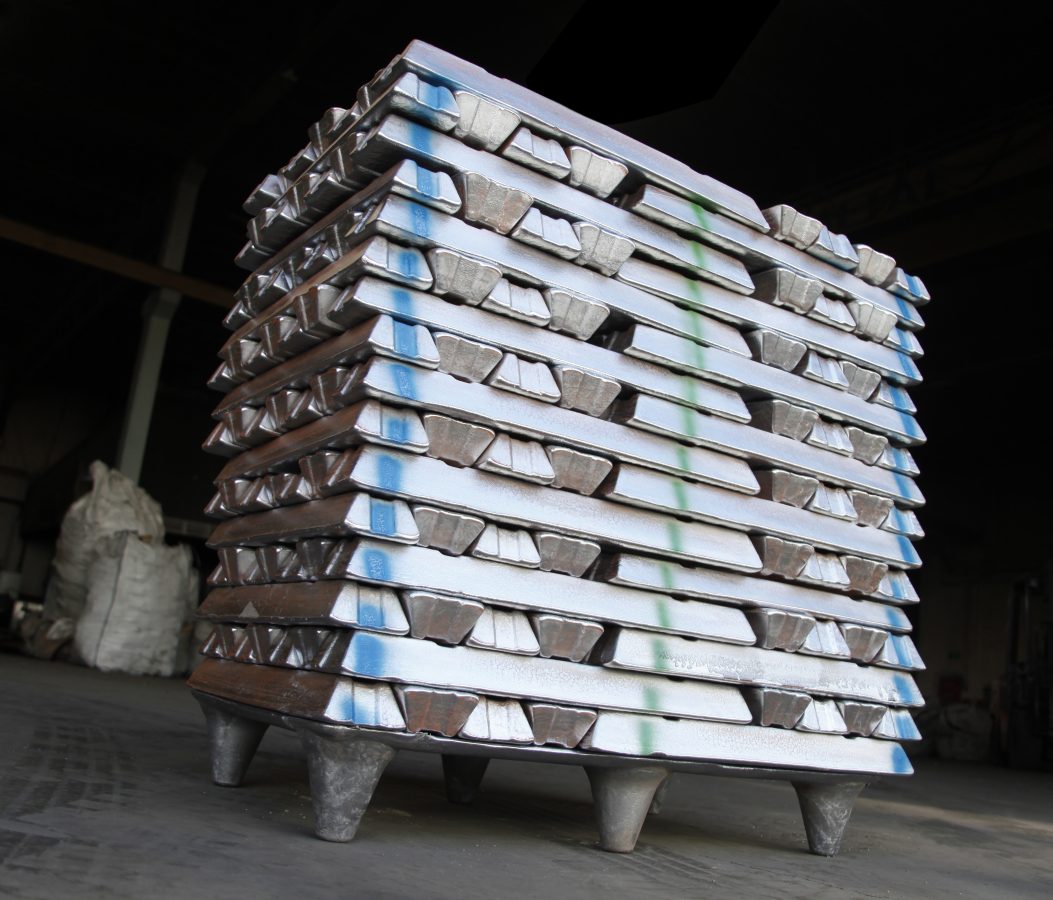
Image used for representational purpose
Way forward for increasing the consumption of aluminium
To unlock aluminium’s full potential, India requires a coordinated national strategy.
First, public procurement policies should prioritise aluminium-intensive designs in infrastructure, transportation and housing projects.
Second, downstream manufacturing and extrusion industries must be strengthened through incentives and protection against unfair imports.
Third, aluminium recycling infrastructure must be significantly expanded. Recycling aluminium requires only about 5 per cent of the energy needed for primary production, making it central to sustainable growth.
Fourth, the industry must accelerate its transition toward green aluminium through renewable energy integration, cleaner smelting technologies and exploration of emerging solutions such as small modular reactors for captive power.
Finally, innovation in alloy development and product applications must be encouraged through stronger collaboration among industry, research institutions and policymakers.
Conclusion
India possesses abundant bauxite reserves, strong production capability and rapidly expanding end-use sectors. What it now needs is a deliberate push toward increasing domestic aluminium consumption.
Boosting aluminium consumption is not merely an industrial objective. It is a strategic imperative for building sustainable infrastructure, enabling clean energy, strengthening defence manufacturing, supporting mobility transformation and driving economic growth.
What is required now is a deliberate national effort to accelerate domestic aluminium consumption through policy support, technological innovation, sustainable production and market development.
Aluminium can become one of the foundational materials of India’s journey toward Viksit Bharat 2047. The opportunity is immense and the time to act is now.


 Voyagerman Technology


The author needs to realize that standardized aluminum window frames have not been made available to order online in all these years. Simple actions scaled up nationwide are required. Immediately. Otherwise we will turn into a nation of beer can manufacturers ( ” kyunki usme zyada fayda hai “)