




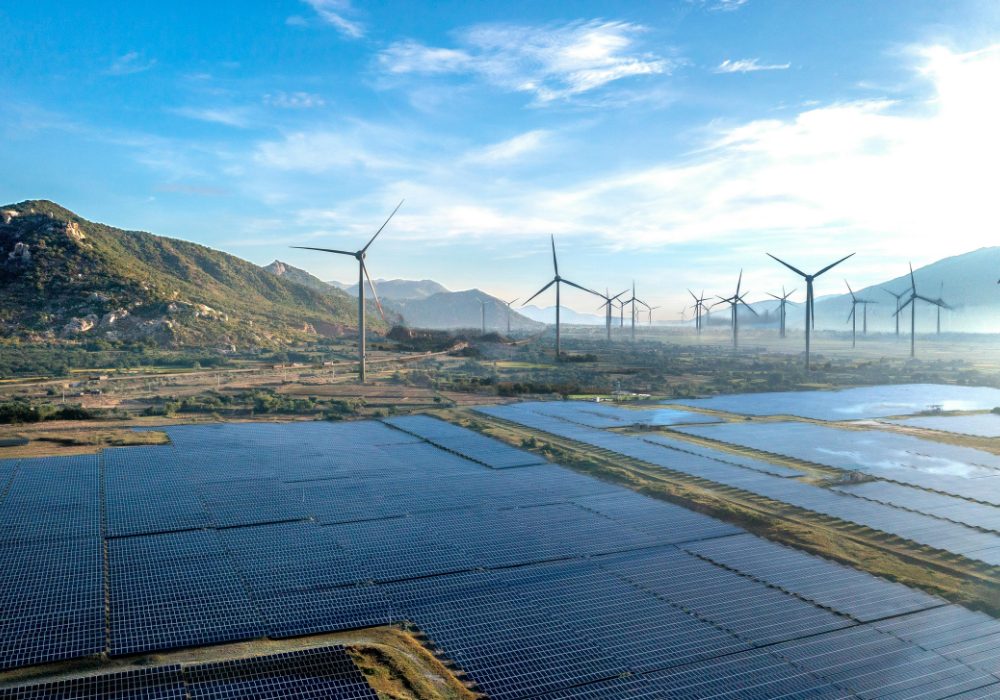
Germany’s transition towards renewable energy is reshaping its industrial landscape, creating new opportunities and challenges for energy-intensive sectors such as aluminium production and processing. As electricity costs, carbon emissions and sustainable manufacturing become increasingly important to global competitiveness, aluminium companies operating in Germany are exploring renewable electricity procurement, solar installations and long-term power purchase agreements (PPAs).
According to the International Energy Agency (IEA), renewable energy plays a growing role in reducing dependence on imported fossil fuels and limiting carbon dioxide emissions. Its applications extend beyond electricity generation to industrial heating, building energy systems and transport fuels. However, the transition remains more advanced in electricity generation than in industrial heat.
How much renewable energy is available in Germany?
Germany has established a substantial renewable electricity infrastructure supported by wind, solar, biomass and hydropower generation. According to the Federal Network Agency (Bundesnetzagentur), renewable sources contributed 257.5 terawatt-hours (TWh), representing 58.8 per cent of Germany’s net electricity generation supplied to the public grid in 2025.
58.8% – Renewable share of public-grid generation
257.5 TWh – Renewable electricity generated
~210 GW – Installed renewable generation capacity
+16.4 GW – Solar capacity added in 2025
Germany’s renewable electricity generation by source in 2025
Terawatt-hours supplied to the public electricity network
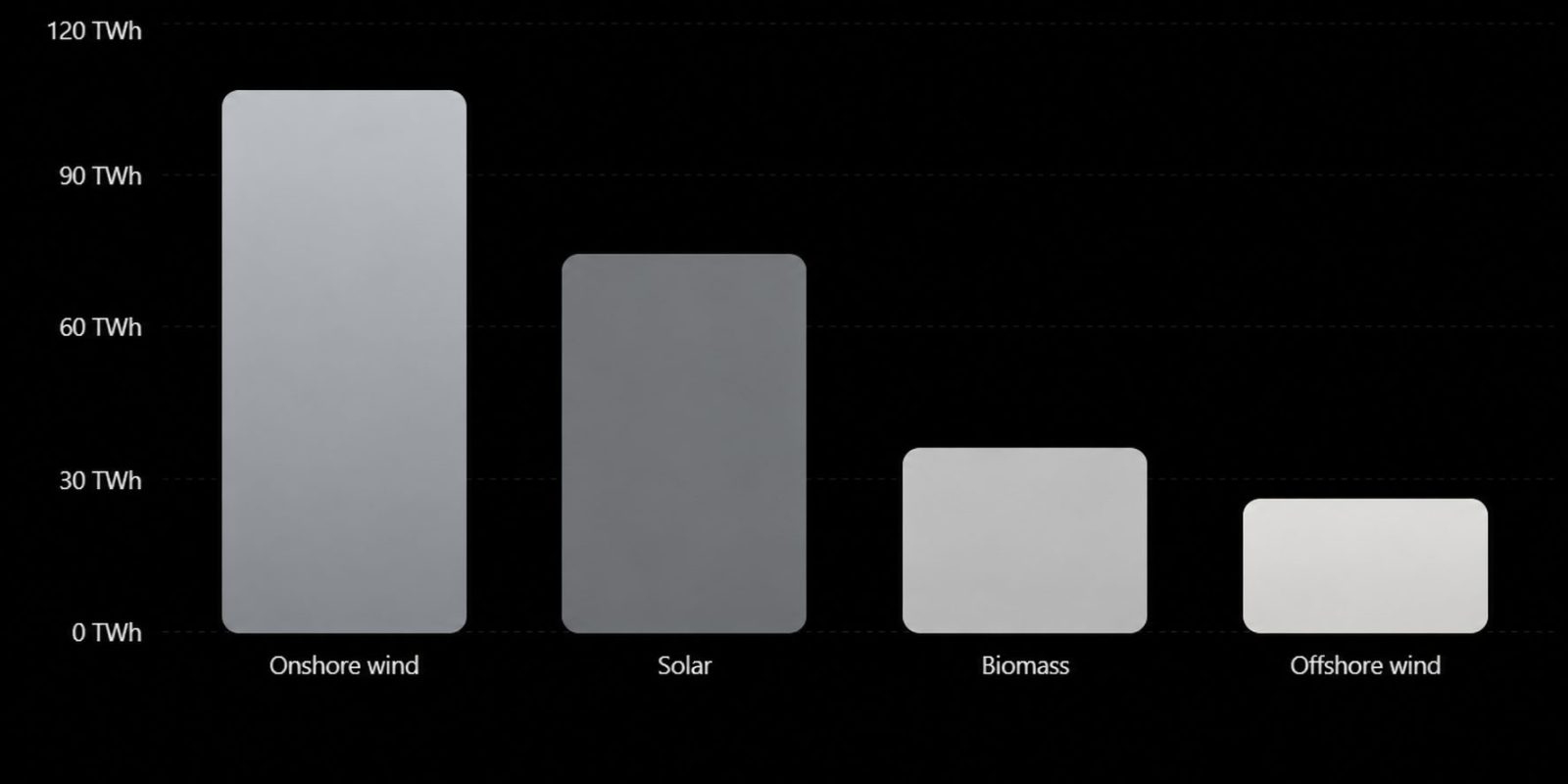
Germany’s renewable capacity expanded by nearly 21 gigawatts in 2025, an increase of approximately 11 per cent. Solar capacity reached around 117 GW, while onshore wind capacity stood at 68.1 GW. The expansion demonstrates the increasing availability of renewable generation, although variable wind and solar output means industrial consumers still require reliable electricity supply arrangements.
Why renewable energy matters to Germany’s aluminium industry
Aluminium production involves substantial energy consumption, particularly during primary smelting. Rolling, extrusion, remelting and recycling also require electricity and process heat.
Renewable electricity can help aluminium manufacturers reduce emissions associated with purchased power, meet customer requirements for lower-carbon materials and improve long-term energy procurement certainty.
As highlighted by the IEA, renewable heat presents additional challenges because certain industrial processes require temperatures that conventional renewable heating technologies cannot readily supply. Consequently, switching electricity procurement to renewable sources does not automatically decarbonise fuel-fired furnaces or other thermal operations.
Aluminium companies operating in Germany adopting renewable energy
Several manufacturers have already introduced renewable electricity procurement or on-site solar generation. Their approaches vary depending on production requirements, available infrastructure and energy purchasing arrangements.
Novelis: Long-term German wind and solar electricity procurement
Novelis signed a ten-year renewable electricity PPA with Statkraft in February 2024. The agreement covers approximately 58 GWh annually from German wind and solar installations for its Nachterstedt rolling and recycling operations.
The contracted volume corresponds to around 16 per cent of Novelis’ total German electricity demand and up to 40 per cent of electricity consumption at the two Nachterstedt facilities, demonstrating how renewable energy can support aluminium rolling and recycling.
APT Solar Solutions: Renewable electricity and rooftop solar
APT Solar Solutions has pursued renewable electricity at its Monheim am Rhein operations. Its two local production facilities have used green electricity procurement since early 2023.
The company also installed photovoltaic systems on its extrusion and anodising facilities during 2023, generating electricity for on-site consumption and reducing dependence on externally purchased power.
Hammerer Aluminium Industries: Solar energy at Soest
Hammerer Aluminium Industries operates an aluminium extrusion and processing facility in Soest, Germany. The company reports that a photovoltaic installation has operated at the facility since 2023.
The system generated approximately 251 MWh in 2023, covering 1.56 per cent of the location’s total energy consumption. This illustrates how distributed solar installations can supplement the energy needs of downstream aluminium manufacturers.
ST Extruded Products Group: Renewable electricity across German facilities
ST Extruded Products Group (STEP-G) announced its transition to electricity sourced entirely from green energy for its German operations from 2022.
This renewable electricity procurement strategy supports the manufacturer’s efforts to reduce emissions associated with aluminium extrusion and processing. The announcement concerns purchased electricity rather than eliminating all emissions from manufacturing operations.
Hydro: Solar electricity and battery storage
Norsk Hydro introduced rooftop solar electricity generation and battery storage at its Offenburg aluminium extrusion facility in 2024. Similar installations were announced for Rackwitz and Uphusen.
Together, the planned solar installations were designed to generate approximately 854 MWh annually, helping Hydro expand on-site renewable electricity production and manage fluctuations in electricity demand.
Speira: Integrating wind and solar energy through battery storage
Speira commissioned a large-scale battery storage system at its Grevenbroich aluminium rolling and recycling facility in early 2025.
The EUR 1.9 million investment enables electricity to be stored during periods of abundant wind and solar generation and subsequently used to support factory operations. The system can reduce peak electricity demand by up to 3 MW, improving operational flexibility.
Constellium: Expanding renewable electricity sourcing
Constellium announced a ten-year solar electricity PPA in July 2026 for its Gottmadingen and Singen extrusion and automotive structures operations.
The agreement is expected to cover more than 25 per cent of the facilities’ combined electricity requirements, potentially avoiding approximately 3,500 tonnes of CO₂ emissions annually. However, electricity deliveries are scheduled to begin in spring 2027, making this a contracted future supply rather than an operational renewable electricity project in October 2026.
TRIMET: Preparing aluminium smelting for renewable electricity
TRIMET Aluminium has adapted electrolysis operations at its Essen smelter to accommodate fluctuations in wind and solar electricity generation.
The initiative demonstrates how flexible aluminium smelting can support renewable energy integration while maintaining industrial operations. Nevertheless, technical readiness to use renewable electricity should not be confused with verification that the smelter currently operates entirely on renewable power.
Outlook: Can renewable energy transform German aluminium production?
Germany’s expanding renewable energy infrastructure is creating opportunities for aluminium manufacturers to reduce electricity-related emissions. Long-term PPAs, on-site solar generation, battery storage and flexible production technologies are becoming important elements of industrial energy strategies.
However, electricity costs, grid availability, intermittent renewable output and the continued use of fossil fuels in thermal processes remain challenges.
As more aluminium producers adopt renewable energy solutions, Germany could strengthen its position in the European low-carbon aluminium value chain, particularly across automotive components, aluminium recycling, extrusion and flat-rolled products.