








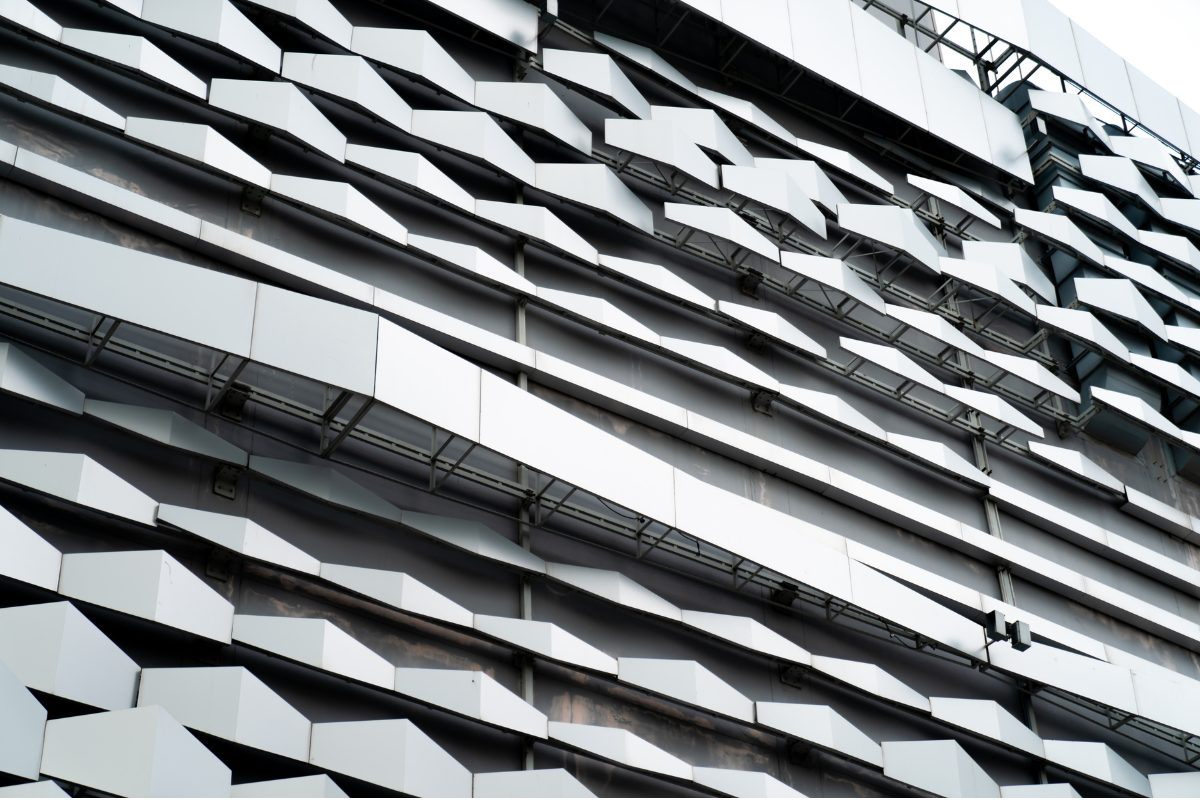
Architecture has always been a reflection of its time. But today, the buildings shaping cities are being asked to do far more than just stand tall. They need to be visually distinctive, structurally efficient, durable, adaptable and increasingly aligned with the principles of responsible construction. For architects, developers and designers, that means the choice of building materials is no longer simply a question of aesthetics. It is becoming a strategic decision that can influence how a structure looks, performs and ages.
This is where aluminium is quietly taking on a larger role. One of its most visible expressions in modern construction is the Aluminium Composite Panel (ACP). The panel was once regarded primarily as a cladding solution, but now has evolved into a versatile architectural material capable of influencing the identity, appearance and functionality of contemporary buildings.
And its rise says something important about where architecture is heading: The future of building design increasingly belongs to materials that can bridge the gap between creativity and performance.
From cladding solution to architectural statement
A building’s façade is more than its outer skin. It is often the first expression of a structure’s identity, which is the element that determines how a commercial tower is perceived, how a corporate headquarters stands apart, or how a retail space establishes its visual character.
That has made façade materials increasingly important to modern architecture. ACPs have found their place in this evolution because they give architects considerable freedom to work with form, colour, texture and finish while maintaining a lightweight and durable construction solution.
Commercial towers, premium residences, airports, hospitals, educational institutions, retail developments and corporate offices are among the diverse spaces where ACP can become part of the architectural language. The material is therefore moving beyond the traditional definition of “cladding”. It is becoming a design tool.
Why aluminium fits the new architectural equation
Modern construction presents a difficult equation. Buildings need to look better without becoming unnecessarily complex. They need materials that are durable without compromising design flexibility. Additionally, they also require efficient construction solutions while meeting increasingly demanding expectations around long-term value. ACP brings several of these requirements together.
Its lightweight nature can support efficient construction, while its durability makes it suitable for applications where long-term performance matters. Its fabrication flexibility allows architects and designers to work across different concepts, while its availability in a broad range of colours and finishes expands the possibilities for façade design. The result is a material that does not force architects to choose between visual appeal and practicality. Instead, it allows both to coexist within the same design.
When the façade becomes part of the identity
The growing use of ACP also reflects a wider shift in how buildings are designed. Architecture is increasingly about creating a recognisable identity. A corporate headquarters may need to communicate precision and sophistication. A premium residential development may seek a distinctive sense of luxury. A retail destination may need a façade that immediately captures attention. ACP’s range of finishes makes this possible.
Stone, Corten, Marble, Wood, Sand, Rust, Star, Solid and Metallic-inspired finishes, alongside contemporary decorative textures, allow designers to replicate different visual identities while retaining the flexibility associated with a modern architectural panel. This matters because contemporary architecture is moving away from one-size-fits-all design. Buildings are expected to have their own character and materials that can support individuality are becoming increasingly valuable.
The sustainability question cannot be ignored
There is another force reshaping material choices: Sustainability. The construction industry is under increasing pressure to think beyond the immediate appearance and cost of a building. Long-term performance, material efficiency and responsible design are becoming increasingly relevant to project decisions. This does not mean that aesthetics are disappearing from architecture. Quite the opposite.
The challenge is to create buildings that combine visual ambition with practical and environmental considerations. This is what is pushing architects and developers towards materials that can deliver more than one function.
For aluminium-based solutions, this creates an important opportunity. Aluminium’s role in modern construction is no longer limited to structural or functional applications. Its adaptability allows it to participate directly in the visual language of buildings, while its established position as a versatile engineering material supports its continued relevance as construction evolves. For ACP, that means the conversation is gradually moving from simply asking, “How will this building look?” to asking, “How can the material help the building perform and remain relevant over time?”
The next architectural frontier is flexibility
Architecture rarely moves in a straight line, especially with changing design trends. Moreover, construction technologies are evolving, consumer expectations are shifting and cities are demanding new forms of commercial, residential and public spaces. The materials used to build those spaces must therefore be capable of keeping pace and that is exactly where ACP’s biggest advantage lies.
Its value is not tied to a single architectural style. The value ranges from finishes and fabrication possibilities to applications, allowing it to adapt to different design directions, from minimalist contemporary façades to more expressive surfaces inspired by natural materials.
For architects and designers, that flexibility can turn a material into an enabler rather than a constraint and that distinction matters. Because when a material limits design, it becomes part of the problem. When it expands what is possible, it becomes part of the architecture itself.
Aluminium’s architectural role is only getting bigger
The evolution of ACP points to a broader story for aluminium. Across industries, aluminium is increasingly being valued not simply because it can replace another material, but because it can enable designs and applications that would otherwise be difficult to achieve. In this sense, architecture is no different.
As buildings become more design-conscious, performance-driven and sustainability-focused, materials will increasingly be judged on how many requirements they can satisfy simultaneously. In this context, the ACPs are already operating.
They bring together lightweight construction, durability, fabrication flexibility and extensive aesthetic possibilities alongside the qualities that align closely with the demands of contemporary architecture. The result is not merely a better-looking façade. It is a shift in how architects can think about the building envelope itself.
From building façades to future skylines
The architecture of tomorrow will not be defined by appearance alone. This is because it will be shaped by the ability to combine design ambition with efficiency, durability and responsible material choices.
ACPs are emerging as one of the materials capable of supporting that transition. Because the story of ACP is no longer simply about covering buildings. It is about giving architects greater freedom to define them. And as cities continue to evolve, that freedom could make aluminium an increasingly visible part of the skylines of tomorrow.

 Voyagerman Technology


