








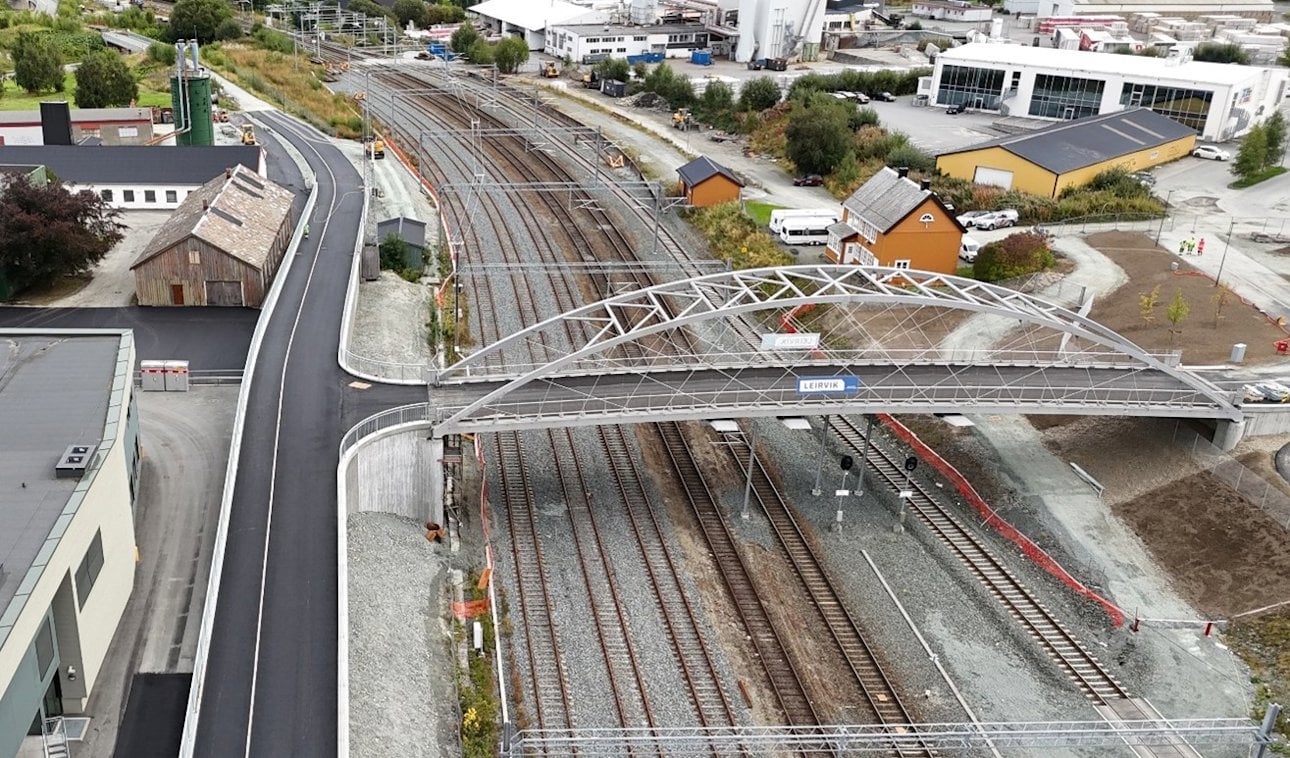
What happens when an old oil platform becomes part of a modern city bridge? In Norway, the answer is Hangarbrua, a bold example of how recycled aluminium can move from industrial legacy to sustainable infrastructure.
Built in Trondheim, the Hangarbrua Bridge is not just another pedestrian and cycling bridge. It is a statement on circular design, low-carbon construction, and the growing role of aluminium in future-ready infrastructure.
From oil platform scrap to urban bridge
The aluminium used in Hangarbrua came from the Gyda oil platform, which served in the North Sea for decades before being dismantled between 2021 and 2025. Instead of treating the metal as waste, project partners gave it a new purpose.
The process involved careful sorting, melting, refining, and re-profiling. Stena Recycling sorted the scrap, while Hydro’s Swedish plants processed the material into new aluminium profiles. The result was a bridge made from recycled metal with a strong sustainability story.
Key highlights of Hangarbrua Bridge
Hangarbrua proves that recycled aluminium can be both practical and powerful in public infrastructure. Some of its major features include:
- 55 metres in length
- 9 metres in width
- 60 tonnes of recycled aluminium
- Built for pedestrians and cyclists
- Assembled off-site and lifted into place
- Designed to reduce disruption to railway traffic below
- Embedded sensors to monitor bridge performance over time
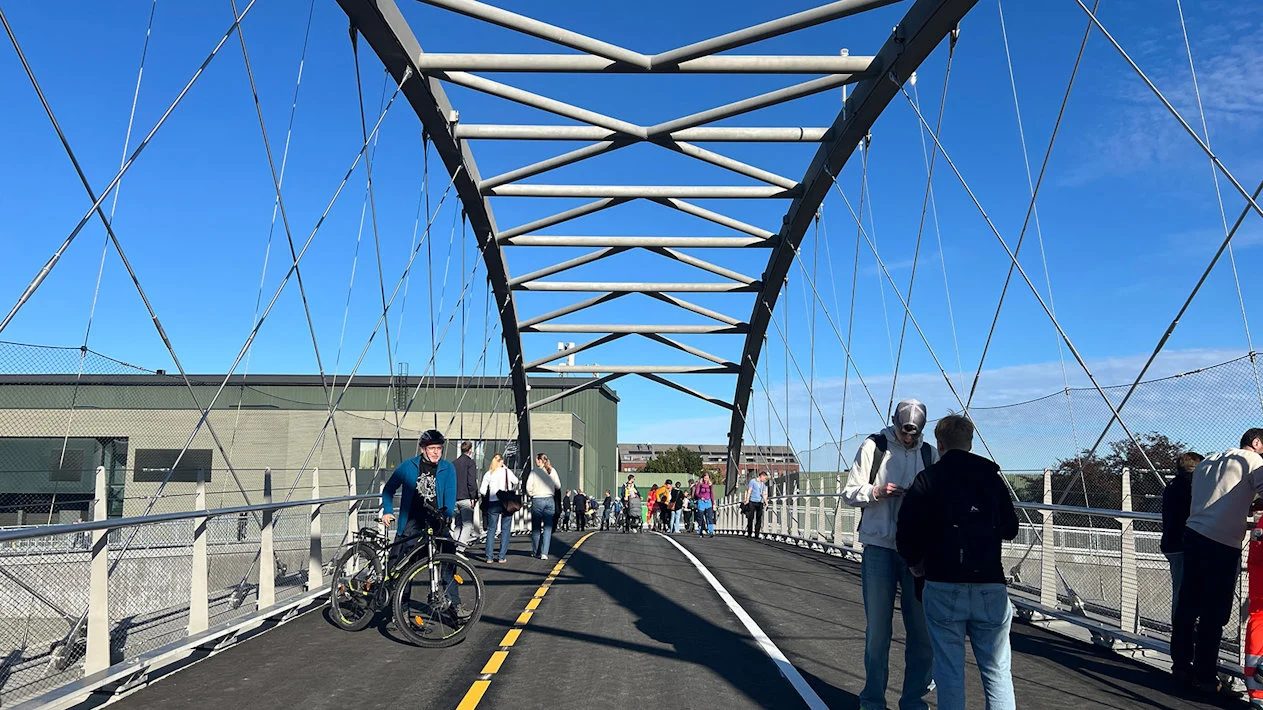
Image source: Hydro
This is where aluminium’s natural advantages come into play. It is lightweight, strong, durable, and easier to handle during installation compared to many heavier materials.
A low-carbon leap for construction
One of the strongest points of the Hangarbrua project is its carbon benefit. According to the source article, using recycled aluminium helped cut CO₂e emissions by 70 per cent compared to a stainless-steel alternative. That is not a cosmetic sustainability claim. It is a serious material choice with a measurable impact.
For cities looking to reduce infrastructure emissions, this matters. Bridges, buildings, transport systems, and public spaces all depend on material decisions. Hangarbrua shows that aluminium recycling can support both design ambition and climate responsibility.
Aluminium’s future in circular infrastructure
Hangarbrua connects more than two sides of a railway track. It connects the past life of aluminium with its next chapter. From an offshore oil platform to a modern bridge, the metal has been reborn with purpose.
The project is a reminder that aluminium does not have to end its journey after one use. With the right recycling ecosystem, engineering expertise, and design vision, it can return as something stronger, smarter, and more meaningful.
Source: Rebirth of aluminium – The Hangarbrua Bridge


 Voyagerman Technology


