WEEKLY: Alumina prices hold steady as new supply grows; holiday demand slow, market turns bearish

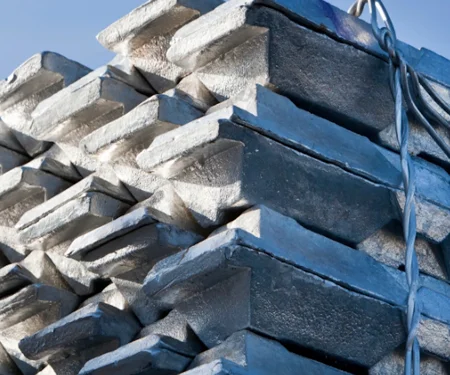
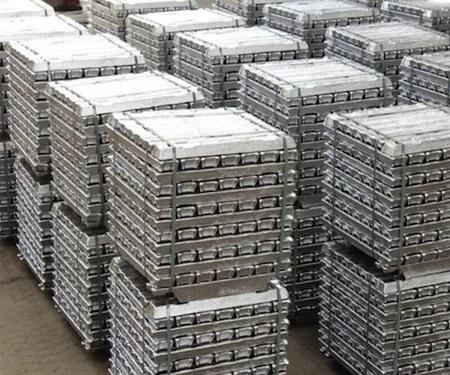
The image used in this article is generated with an AI tool and does not depict any real-time moment
On the cost side, prices of domestic bauxite remained stable last week, with the market relatively subdued. Regarding imported bauxite, elevated ocean freight rates continued to constrain shipments of spot cargoes from Guinea. The spot market was quiet over the past week, with scarce offers from mines and traders, and quoted prices showing a slight upward trend.
The stability in alumina prices last week was primarily attributed to the absence of further production curtailment news from domestic alumina producers. Meanwhile, the ramp-up of new capacity led to an increase in available tradable volumes, fuelling bearish sentiment in the market. Additionally, the supply-demand imbalance exacerbated regional supply pressures, keeping buyers firmly in the driver's seat.
As of last Thursday (September 24, 2026), the national alumina capacity utilisation rate stood at 83.14 per cent, down 0.87 percentage points from the previous week. Domestic alumina operating capacity surpassed the 100-million-tonne mark, and regional oversupply pressures continued to build. However, with the long holiday approaching, downstream aluminium smelters showed limited willingness to procure and stock up, remaining cautious and adopting a wait-and-see stance.
Last week, domestic alumina traders' inventories totalled 6.87 million tonnes, up 96,000 tonnes week-on-week. Cross-regional shipments continued to grow, but shortages of railway wagons on some routes caused cargo accumulation at staging stations. Coupled with the recent widening of the basis, which boosted trading enthusiasm among futures-and-spot arbitrageurs, deliveries to some exchange warehouses arrived successively, resulting in a significant overall increase in inventories at stations and in transit.
According to Mysteel statistics, domestic aluminium enterprises consumed approximately 1.68 million tonnes of alumina last week, an increase of 600 tonnes from the previous week. Recently, domestic operating capacity for primary aluminium has remained at around 45.42 million tonnes per year. With limited incremental capacity for aluminium, demand pull for alumina has become increasingly rigid. Overall offtake pace remains stable, with some smelters mainly restocking based on essential needs.
As the remaining new capacity scheduled for this year gradually comes online, the overall market atmosphere remains pessimistic. However, with the two upcoming holidays approaching, transportation capacity across various regions is tightening, prompting some traders to quote relatively cautiously.
Looking at regional dynamics, currently the availability of spot cargoes in the north is moderate, while supply in the southwest is relatively ample. Due to the widening price spread and narrowing freight differential, the radius for cross-regional sales has expanded, driving overall market transaction prices lower.
Furthermore, as profit margins in the alumina industry continue to be squeezed, combined with the possibility that ore prices may remain elevated in the fourth quarter, some plants facing greater operational pressure are expected to proactively reduce output. It is projected that domestic alumina prices will continue their weak trend after the holiday, with the price range running between RMB 2,550-2,700 per tonne.
Note: This article has been shared by Mysteel and has been published by AL Circle with its original information without any modifications or edits to the core subject/data.
Odisha commits local bauxite for Vedanta’s Lanjigarh alumina refinery as ₹1 trillion aluminium push gathers pace
Next articleDCM Shriram commissions 100 TPD aluminium chloride facility in Gujarat
Grow with
AL Circle