Alumina turns to net exports in August; net export pattern expected to widen further in September
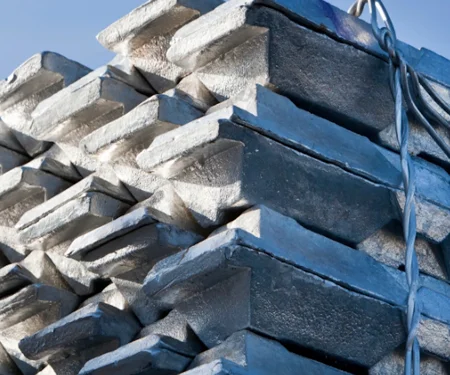
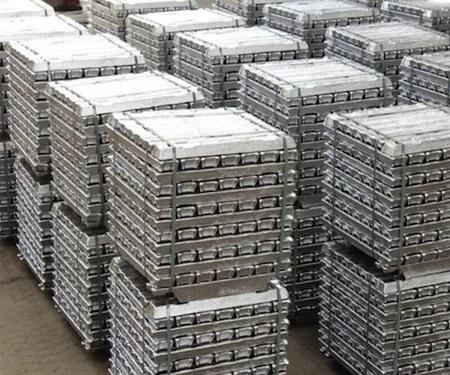
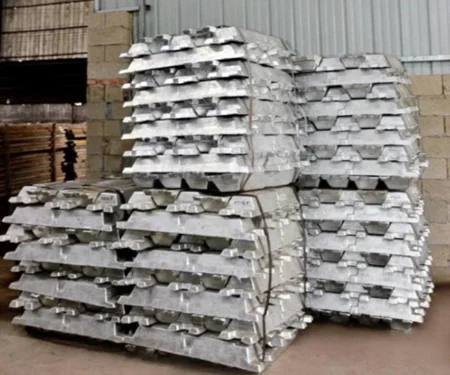
The image used in this article is generated with an AI tool and does not depict any real-time moment
I. Total volume: Monthly pattern shifts from net import to net export
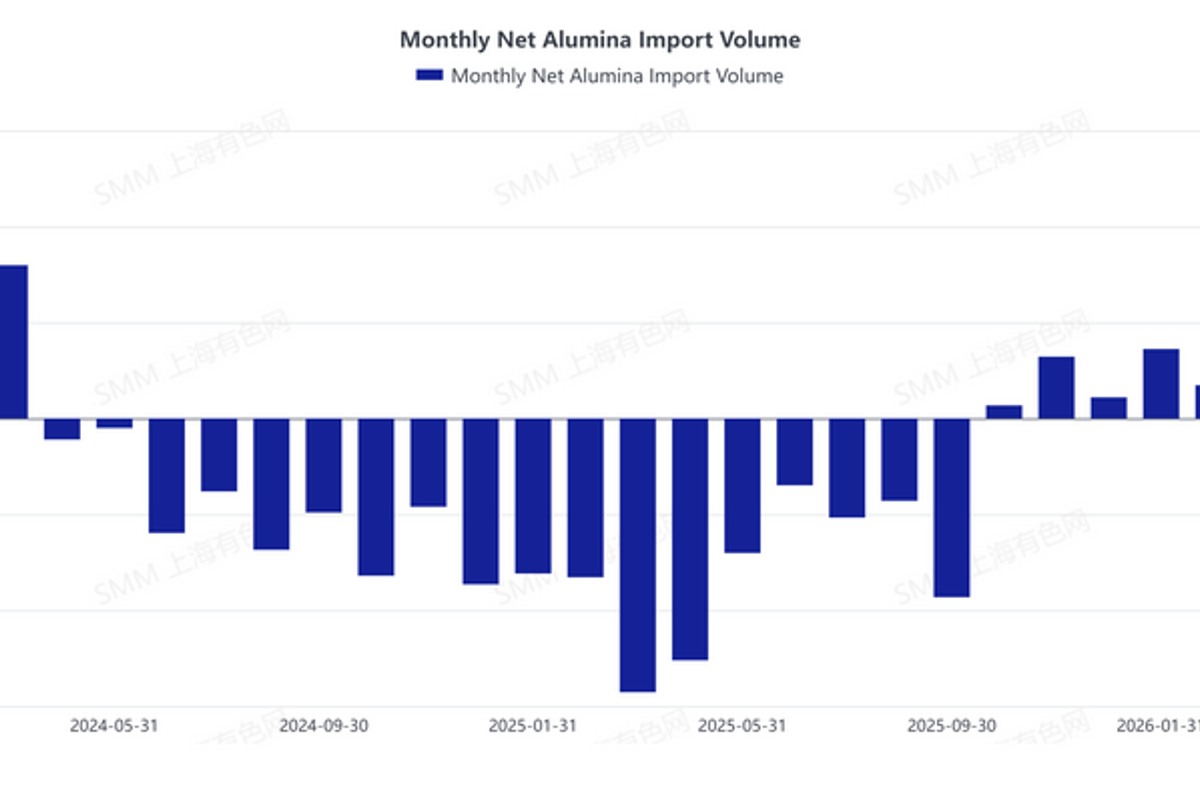
According to the latest data from the General Administration of Customs of China, from January to August 2026, China's cumulative alumina imports reached 2.994 million tonnes, up more than fivefold year-on-year; cumulative exports totalled 2.339 million tonnes, up about 33 per cent year-on-year; cumulative net imports stood at 654,000 tonnes, narrowing from 729,000 tonnes in January–July. Although the net import pattern persists, the scale of net imports has continued to shrink, further easing the impact of imports on the domestic market.
On a monthly basis, China imported 349,500 tonnes of alumina and exported 425,000 tonnes in August, resulting in net exports of 75,500 tonnes — the first shift from net imports to net exports in 2026. This marks a directional reversal from net imports of 61,700 tonnes in July. Among these, imports fell 4.7 per cent month-on-month, while exports surged 39.4 per cent month-on-month, with the export surge being the primary driver of the reversal this month.
II. Imports: Australian alumina sharply contracts, Indonesia's share jumps to 40 per cent
In terms of import sources, Australia exported 202,500 tonnes of alumina to China in August, accounting for 57.93 per cent of total imports, down 33.0 per cent month-on-month, extending the downward trend since July. As overseas alumina prices continue to rise and the domestic-overseas price spread remains inverted, Australian cargoes are increasingly flowing to higher-priced markets such as the Middle East and Europe, significantly slowing the pace of shipments to China.
Indonesia ranked second with 142,100 tonnes, accounting for 40.65 per cent, surging 135.9 per cent month-on-month. Its share jumped from 17.3 per cent in January–July to over 40 per cent, making it the most significant source of incremental imports into China.
Cumulatively, from January to August, Australia exported 2.148 million tonnes to China, accounting for 71.7 per cent; Indonesia exported 601,000 tonnes, accounting for 20.1 per cent. Together, the two countries accounted for 91.8 per cent of China's total imports, further reinforcing the highly concentrated import source structure.
III. Exports: Russia remains the top destination, Middle East demand continues
On the export side, Indonesia, accounting for 53.59 per cent of total exports, up 27.5 per cent month-on-month and 48.9 per cent year-on-year. Russia continues to be the largest destination for China's alumina exports. From January to August, cumulative exports to Russia reached 1.429 million tonnes, accounting for 61.1 per cent of total cumulative exports.
In the Middle East, exports to Oman reached 117,000 tonnes in August, accounting for 27.53 per cent, up 9.0 per cent month-on-month and representing explosive growth compared to approximately 200 tonnes in the same period last year. Exports to Bahrain totalled 60,900 tonnes, accounting for 14.32 per cent. Combined exports to Oman and Bahrain reached 177,900 tonnes, accounting for 41.85 per cent of total monthly exports, making the Middle East the second-largest destination cluster for China's alumina exports. From January to August, cumulative exports to Oman reached 519,000 tonnes, accounting for 22.2 per cent of total cumulative exports.
In terms of demand structure, the Middle East still has certain rigid demand for bagged alumina, with transportation primarily involving land transit from Oman to other Middle Eastern countries. However, as cargo previously transshipped from China to the Middle East is gradually consumed, export volumes to the region are expected to decline somewhat going forward.
IV. Outlook: September imports and exports expected to remain in net export territory
Overall, September imports and exports are expected to remain in a net export pattern. On one hand, with overseas prices elevated, shipping alumina back to China offers little profit margin, suppressing imports. On the other hand, the gradual ramp-up of domestic operating capacity further weakens import demand for overseas cargoes. Meanwhile, continued production resumption in the Middle East is driving steadily growing demand for alumina, with domestic port inventories continuously being shipped to the region. Taken together, the net export pattern is expected to widen further in September.
Note: This article has been shared by SMM and has been published by AL Circle with its original information without any modifications or edits to the core subject/data.
Odisha commits local bauxite for Vedanta’s Lanjigarh alumina refinery as ₹1 trillion aluminium push gathers pace
Next articleDCM Shriram commissions 100 TPD aluminium chloride facility in Gujarat
Grow with
AL Circle