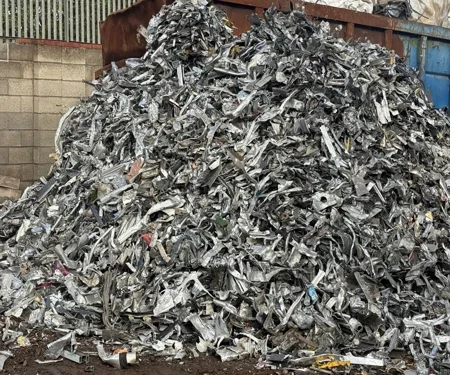
The US beverage can industry aims to offset its manufacturing cost inflation by using recycled aluminium, which is exempt from the 50 per cent tariff on aluminium and steel. By using recycled aluminium, the entire industry would shield nearly 70 billion cans, an industry valued at USD 36.95 billion in 2024, from potential financial threats and loss.
Recently, the Trump administration has applied a 50 per cent tariff on imports of consumer packaged goods made from aluminium and steel, creating a robust tension among manufacturers. However, this created a nudge towards using recycled aluminium for beverage can packaging.
US beverage can production
According to the IMARC report, the aluminium beverage can production in the US in 2024 was 155.8 Billion Units and is expected to reach 209.7 billion units by 2033, with a CAGR of 3.40%. According to IndustryARC, in 2021, the US held a 44 per cent market share of the beverage can market. The robust demand surges from applications such as carbonated soft drinks, alcoholic beverages, and others.
US income from the beverage can
According to Mordor Intelligence, the US aluminium beverage can market size was USD 28.10 million in 2025 and is expected to grow at a CAGR of 2.88 per cent to reach USD 32.38 billion by 2030.
On the other hand, IMARC revealed that in the previous year, the US aluminium beverage can market size stood at USD 16.9 billion, representing an upward movement in beverage can usage in the coming years. A significant portion of the beverage can market is attributed to beer production in cans and bottles, reaching 1,291,582.25 Barrels in New York City.
US aluminium scrap imports
According to the data from the International Trade Administration, in 2024, the US imported a total of 664,114 tonnes of aluminium scrap globally. In the following year, the scrap import fell to 663,003 tonnes, representing a downward trend; however, it rose again in 2023, with the total aluminium scrap import standing at 641,772 tonnes, indicating an upward movement.
According to the same data source, in April 2024, the US total imports were 208,655 tonnes. If compared with the same month in 2025, the aluminium scrap import in the US stood at 273,143 tonnes, showing a significant increase.
US aluminium scrap consumption
In 2024, according to research conducted by AL Circle, the total aluminium scrap consumption from imports stood at 660,000 tonnes. This indicates that almost all the aluminium scrap imports by the US were consumed and are expected to grow in the coming years, especially with the implied tariff of 50 per cent on primary aluminium.
US domestic aluminium scrap recovery
According to USGS data, US domestic aluminium scrap recovery in March 2025 stood at 327,000 tonnes, representing a 3 per cent increase from the same month in 2024 and an almost 14 per cent increase from March 2023. Among these, 192,000 tonnes were recovered from new scrap and 135,000 tonnes were recovered from old scrap.
This raises a significant question: If the US has a domestic aluminium scrap recovery rate higher than its imports, why does it still need to import such a large quantity of aluminium scrap from the world? With the recent tariff imposed on primary aluminium, the cost of the same has also significantly risen, indicating a surge in demand for recycled aluminium, which is currently below the tariff limit.












_md.webp)