The contemporary landscape of international relations is increasingly defined by the deployment of economic sanctions. Once considered a blunt instrument of last resort, these measures have become a favoured tool for nations seeking to exert influence, punish transgressions, or compel policy shifts. Yet, the efficacy and broader ramifications of these economic straitjackets (specifically the European Union’s sanction upon Russia) are far from straightforward.
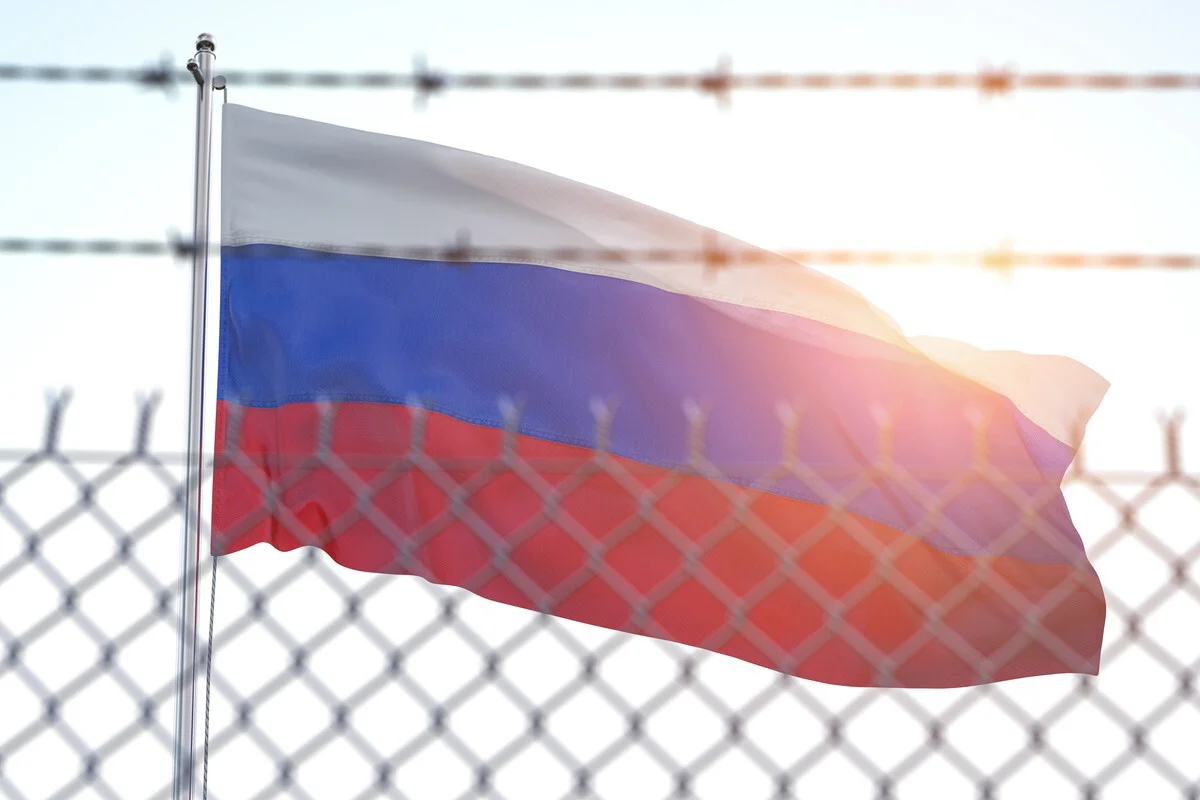
Image for representational purposes only
Today, we delve into the intricate world of EU sanction, exploring their genesis, the multifaceted impacts they inflict on both the targeted and the imposing, and the swirling debates that question their very purpose and morality.
Unmasking the sanction: origins and objectives
The imposition of European Union (EU) sanctions upon Russia typically arises from a confluence of political and economic factors.
Previously, nations have resorted to sanctions when diplomatic avenues have seemingly reached their limits, or when the perceived severity of another state’s actions demands a forceful response short of military intervention.
In this particular stance of the EU, the geopolitical climate across Europe at the time of imposition, coupled with the triggering event of Russia invading Ukraine, forms the crucial backdrop against which the sanction must be understood.
This week, the European Council has congregated to discuss Ukraine, a possible peace deal and other issues related to Russia.
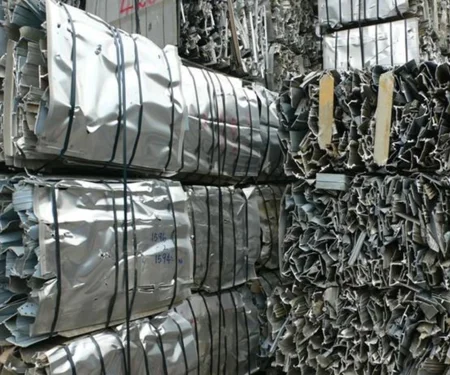
The meeting came just after the EU renewed sanctions against Russia, including closing off the remainder of Russian aluminium to the EU market, but not before Hungary threatened a veto and, at their demand, removed certain individuals from the sanctions list.
Now, another question lurks in the mind. Was the EU aiming for the war to conclude, or was there any added agenda leading to the decision?
Impact breakdown: A country-by-country analysis
The imposition of the sanction unleashes a cascade of consequences, rippling outwards from the targeted nation (Russia) to the imposing power (EU) and the wider global community. Examining these impacts on a country-by-country basis reveals the true complexity of this policy tool.
The EU’s 16th sanctions package includes a complete ban on Russian aluminium, removing over 340,000 tonnes from the market. This has already led to a decline in Russian aluminium imports from 13.5 per cent to less than 6 per cent in 2024.
Hungary’s resistance: Hungary has opposed rapid Ukrainian EU accession and military aid, advocating for Ukraine to serve as a buffer zone rather than integrating it into the European bloc. Its objections forced the removal of certain individuals from the EU sanctions list, revealing internal EU divisions. This has sparked discussions on whether Hungary’s veto power should be curtailed, highlighting the fractures within the EU’s approach to the sanctions.
Russia’s strategic pivot: Facing supply shortages, Russia has turned to India for alumina imports. With prior sources cut off, India supplied 189,379 tonnes of alumina to Russia in early 2023, reshaping global trade dynamics. This move not only ensures Russia’s continued production but also strengthens economic ties between Moscow and New Delhi, complicating Western diplomatic efforts to isolate Russia economically.
Economic fallout across Europe
The confluence of sanctions, tariffs, and strategic realignments has precipitated notable shifts in the European continent’s aluminium market:
Sweden: Job losses and cost pressures
Sweden’s only aluminium smelter in Sundsvall faces declining profitability due to spiking alumina costs and high energy prices. The potential fallout includes:
- Loss of 500 direct and 5,000 indirect jobs
- Increased costs for key industries: automotive (Volvo, Scania, Koenigsegg), aerospace (Saab), and packaging (Tetra Pak)
With aluminium prices fluctuating unpredictably, manufacturers reliant on aluminium as a core material are scrambling to find alternative suppliers, often at higher costs.
France, Germany, Italy, and Slovakia: Rising aluminium costs
- France: The aerospace (Airbus, Dassault) and automotive (Renault, Peugeot) sectors face higher costs, exacerbated by reduced production at the Dunkirk smelter, one of Europe’s largest aluminium producers.
- Germany: As Europe’s industrial powerhouse, Germany is seeing a 20-30 per cent aluminium price surge, which is projected to cut 0.3-0.4 per cent from its manufacturing output, particularly in the automotive and machinery sectors.
- Slovakia: With the 2022 closure of its Slovalco smelter, Slovakia now imports all aluminium, making it particularly vulnerable to supply disruptions. Its major automakers, including Volkswagen and Kia, are already experiencing increased production costs.
- Italy: Italy’s broad manufacturing base, including Stellantis and packaging industries, struggles with supply chain disruptions and increased costs, with smaller metalworking firms especially at risk.
Austria and Hungary: Industry vulnerabilities
- Austria: Specialised aluminium industries (such as AMAG) face rising input costs due to the country’s lack of large-scale primary smelting capacity. With close integration into the German automotive supply chain, Austrian manufacturers are directly affected by the price hikes.
- Hungary: Major auto production hubs (Audi, Mercedes-Benz, Suzuki) are feeling the pressure, making Budapest more likely to advocate for a phased implementation of sanctions rather than immediate, sweeping restrictions.
United States: Tariffs and domestic production boost
The United States has approached the aluminium supply issue with a multi-pronged strategy. To counter supply chain disruptions, the Biden administration has invoked the Defense Production Act to bolster domestic mineral extraction. The U.S. has also been negotiating with resource-rich nations such as the Democratic Republic of Congo and Ukraine to secure essential materials for domestic manufacturing, particularly in the defence and technology sectors. Meanwhile, tariffs on aluminium imports further complicate global market dynamics, forcing businesses to reassess sourcing strategies.
Global ripple effects and market dynamics
Sanctions and trade shifts have led to:
- Supply chain reconfiguration: The EU is reducing reliance on Russian aluminium, while Russia is seeking alternative suppliers, particularly in Asia.
- Price volatility: Disruptions in supply have driven up global aluminium costs, creating uncertainty for industries that depend on the metal.
- Technological innovation: Countries are investing in low-emission technologies and alternative production methods to counter supply risks. Australia, for instance, is subsidising research into green aluminium production to lessen reliance on traditional supply chains.
- Geopolitical alliances: Russia’s pivot to India and Kazakhstan underscores a realignment of trade relationships, weakening Western efforts to isolate Moscow economically.
Expert verdict: A strategic misstep?
While Russia’s global standing remains strained, Europe is grappling with unintended consequences. By severing Russian imports without securing reliable alternatives, the EU risks undermining its own manufacturing sector. The national leaders must strike a delicate balance between political objectives and economic realities. Without a structured plan to replace Russian aluminium with sustainable and affordable alternatives, European industries face increasing challenges that could erode their global competitiveness.
The ethics and effectiveness debate
Sanctions often impose severe economic hardship on civilian populations, raising ethical concerns. The concept of ‘smart sanctions,’ which targets specific individuals or entities rather than entire economies, is designed to mitigate this issue. However, even these measures are difficult to enforce effectively. Economic pressures often spill over, impacting businesses and ordinary citizens rather than just the intended political elite.
From an ethical standpoint, the EU must consider whether its aluminium sanctions are truly hurting Russia’s war effort or merely inflicting collateral damage on European industries and workers. In an interconnected world, economic warfare rarely produces clean victories, and the long-term effectiveness of these measures remains in question.
Navigating the complexities of economic coercion
The EU’s aluminium ban appears to be a miscalculation with economic consequences that outweigh its intended political pressure on Russia. Rather than weakening Moscow significantly, the move has created new challenges for European manufacturers, increased dependence on alternative suppliers, and driven up costs across multiple industries.
As the European Commission investigates the aluminium market to mitigate further disruptions, it must carefully reassess its strategy. A well-calibrated approach, one that balances economic stability with geopolitical objectives, is essential to avoid compounding the mistakes of previous sanctions policies. Without a pragmatic, long-term vision, Brussels risks further destabilising the industries it seeks to protect.
Information credit: ‘Searching for a Silver Bullet’ by Free Trade Europa