Switzerland has taken a decisive step (it was really high time!) to safeguard its steel and aluminium industries from mounting electricity costs. The government has announced a subsidy programme wherein the Swiss authorities pledged CHF 37 million (USD 42 million) in financial aid to four key industrial players, including Swiss Steel and Stahl Gerlafingen. The measure, effective from January 2025, will run until the end of 2028, aiming to maintain domestic production and preserve jobs in these energy-intensive sectors.
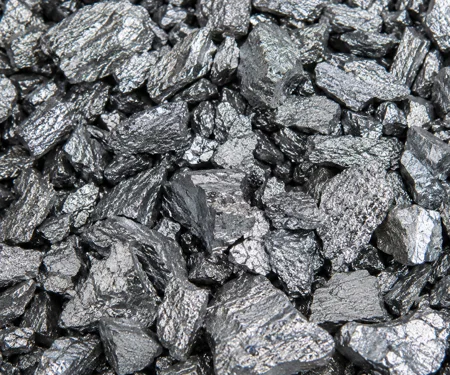
Image for representational purposes only
Electricity prices have seen a cosmic soar in the past few years, resulting in immense financial strain on the nation’s steel and aluminium producers, which the recent government initiative is anticipated to cushion. The industry will seemingly be relieved from excessive costs by offering a phased reduction in power grid usage fees.
In 2025, firms will receive a 50 per cent cut in these charges, followed by a gradual tapering off in the subsequent years—37.5 per cent in 2026, 25 per cent in 2027, and 12.5 per cent in 2028.
“This subsidy scheme is a crucial intervention to ensure the competitiveness of Switzerland’s steel and aluminium industries,” said Michael Koller, an industrial economist at the Swiss Institute for Economic Studies. He also voiced, “Without such support, we risk losing critical production capacity to neighbouring countries with lower energy costs.”
The subsidy plan has seen reality at a time when Swiss steel and aluminium producers are grappling with challenging global market conditions. According to industry data, Switzerland’s aluminium output followed a downward trajectory, with a year-on-year drop of 4.2 per cent, driven by high energy costs and volatile raw material prices.
On the trade front, Switzerland has traditionally imported a significant share of its raw steel and aluminium requirements, primarily from the EU. In 2024, imports of semi-finished aluminium products fell by 5.8 per cent due to reduced competitiveness in the European market.
However, the path to obtaining the subsidy is not all covered with rose petals. The Swiss government has attached stringent conditions to the subsidy scheme to ensure that state funds are utilised effectively. Companies benefiting from the aid will be prohibited from issuing dividends during the four-year period and must maintain their operational presence within Switzerland. Additionally, the funds cannot be used for executive bonuses or special remuneration packages.
“These measures are designed to guarantee that financial aid goes towards sustaining operations rather than enriching shareholders,” said Hans Meier, a senior policy advisor at the Swiss Ministry of Economic Affairs. “We are investing in the long-term resilience of these industries, not short-term corporate gains.”
Switzerland’s intervention aligns with a broader trend of state support for heavy industries across Europe. Germany, France, and the UK have all introduced subsidies or relief measures for energy-intensive sectors, particularly in response to the energy crisis triggered by geopolitical tensions and supply chain disruptions. Although not an EU member, Switzerland must remain competitive against its European peers, making this subsidy scheme a necessary safeguard.
Looking ahead, analysts expect Switzerland’s steel and aluminium production to comparatively stabilise, with potential for modest growth if energy prices remain under control. However, challenges persist, including fluctuating raw material costs and global trade uncertainties.
With the subsidy programme in place, Swiss industry leaders will have a crucial window of opportunity to restructure, innovate, and fortify their operations against future economic shocks. Whether this initiative proves sufficient to sustain long-term competitiveness remains to be seen, but for now, it is a critical lifeline for a sector under pressure.












_md.webp)