Rio Tinto reports 3% drop in Q3 aluminium output on lower production at ISAL and Kitimat

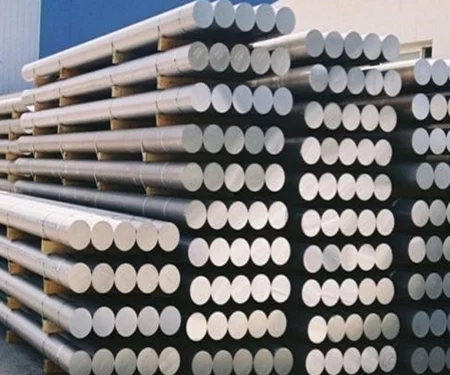
Rio Tinto’s aluminium production stood at 0.8 million tonnes in the third quarter of 2019, down 3% year-on-year, reflecting reduced production at ISAL in Iceland and Kitimat in British Columbia, Canada.
Rio reported aluminium production of 2.38 million tonnes in the first nine months of 2019. That was down 1% from the same periods last year.
The company’s third quarter and year to date production from Quebec and Pacific smelters stood 1% higher than the same periods last year. This excludes the non-managed Becancour JV where the restart is progressing well, following a lock-out, with full ramp-up expected by mid-2020.
“Production at ISAL was impacted by the preventive, safety driven shutdown of one of the three potlines due to process instability. This issue has been resolved and will result in an estimated 21 thousand tonnes production loss compared to last year, of which 17 thousand tonnes was in the third quarter,” Rio said.
In Q3 2019, aluminium production at Kitimat was 15 thousand tonnes lower than the same period last year due to earlier than planned pot-lining replacement.
“The aluminium industry continues to face challenging conditions in global markets and policy uncertainty, reflected in declining prices. We are focusing on enhancing the competitiveness of our smelters, including discussions with our Pacific stakeholders on energy pricing, to ensure the sustainability and global competitiveness of our Pacific smelters,” Rio Tinto said.
The company expects its share of aluminium production to be at the lower end of guidance (3.2 to 3.4 million tonnes), primarily reflecting lower than planned volumes at the ISAL, Kitimat and non-managed Becancour smelters.
LME aluminium gained overnight with dollar's fall; SHFE to trade strong on positive fundamentals
Next articleAlba announces ARABAL 2019 in a press conference in the Kingdom of Bahrain
Grow with
AL Circle