Rio Tinto controlled Tiwai Aluminium smelter queried over hazardous waste stockpiled near Bluff beach
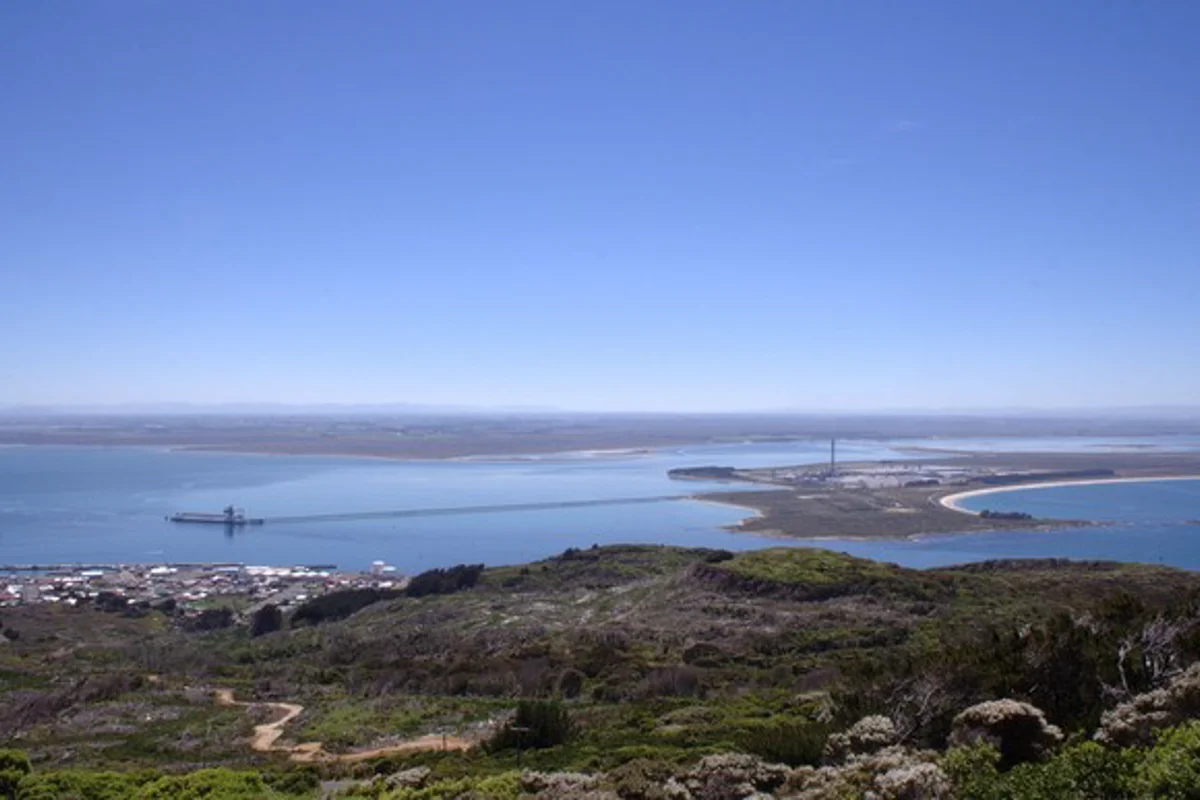
Rio Tinto’s Tiwai aluminium smelter has stockpiled greater than 100,000 tonnes of cyanide-laced hazardous waste lower than 100 metres from a fast-eroding Bluff beach.
The federal government stated earlier this month it remained “utterly blind” about what contamination the closure of the smelter at Tiwai Level may go away behind.
Spent cell liner waste incorporates hazardous chemical compounds together with fluoride and cyanide, and produces explosive gases when blended with water. It’s generally referred to as SCL, Spent Pot Lining or SPL.
A consultant for the NAZAS stated in 2010 it had stockpiled 186,000 tonnes of waste. The smelter has not disclosed how a lot it has now, however since then it’s estimated it might have produced about one other 80,000 tonnes, or 1 / 4 of 1,000,000 tonnes all up. It has held export permits for 78,000 tonnes of that.
The waste product containing hazardous chemical compounds is being saved simply 100m from Bluff beach. The smelter dross-ouvea pre-mix inflicting such an issue at Mataura totals simply 8000 tonnes.
SCL is the primary important strong waste to return from smelting, based on the aluminium trade’s international physique, the Worldwide Aluminium Institute.

However, New Zealand Aluminium Smelters, said: “We do not share operational particulars with the media or the general public.”
The corporate added: “We’re happy that the SCL is saved safely and that there are acceptable programs in place to allow NZAS to observe the efficiency of the storage facility.”
At Tiwai Level, 106,000 tonnes are stockpiled on an engineered concrete pad the scale of about two soccer fields, with purpose-built drainage and seize a kilometre east of the principle plant reverse Bluff.
LME aluminium price closed the week lower at US$ 2135/t; SHFE aluminium edged up 0.89%
Next articleWorld primary aluminium production grows 4% Y-o-Y to 5.707MT in January 2021; Output in China stands flat M-o-M
Grow with
AL Circle