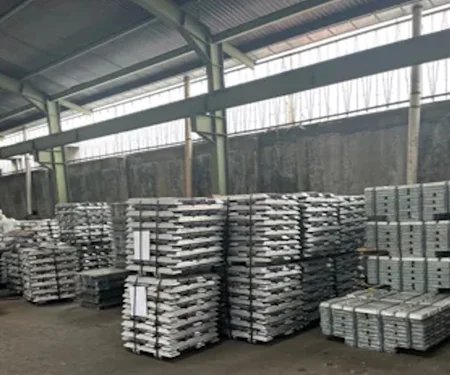
Not aluminium, but Xiaomi has replaced the traditional way aluminium is processed in the SU7 and SU7 Ultra
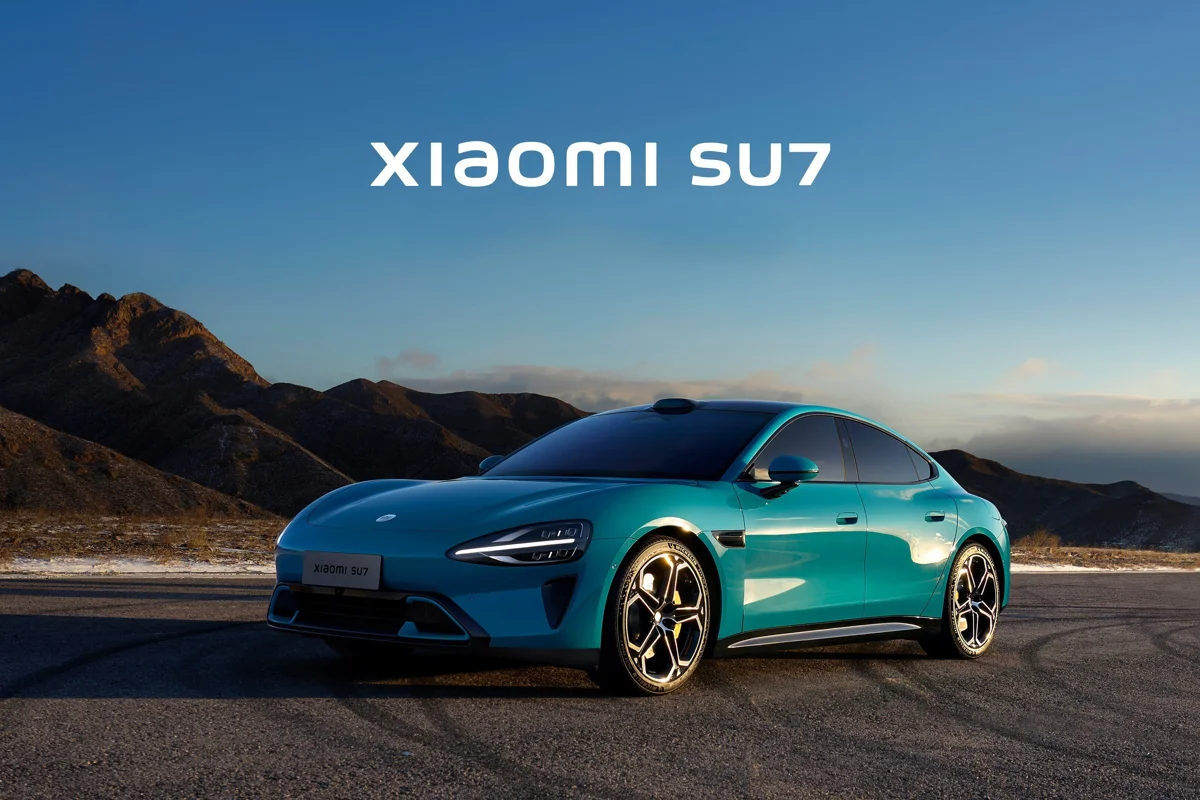
Xiaomi has changed the way aluminium is processed and integrated in its SU7 and SU7 Ultra, without replacing the material itself.
A viral video misleadingly claimed the opposite, stating Xiaomi has replaced aluminium with a new metal.
For the global aluminium value-chain 2026 outlook, book our exclusive report “Global ALuminium Industry Outlook 2026"
In reality, the advancement lies in the process engineering rather than in creating a new metal. Traditional aluminium castings require long and energy-intensive heat treatment to achieve strength, but Xiaomi has developed a different approach using an AI-based “Material Genome” method. This system tested millions of alloy combinations to identify one that can achieve high strength without heat treatment.
As a result, the company has developed an aluminium alloy that is about 17 per cent lighter and can be produced more quickly. This reduces both time and cost in manufacturing by removing a slow and energy-intensive step.
In models such as the Xiaomi SU7 and SU7 Ultra, aluminium is still widely used but in proprietary alloy form, often called Titan Alloy.
Another important development is the use of “hypercasting.” This process allows roughly 72 stamped and welded components to be replaced with a single large cast structure. This approach improves production efficiency, reducing labour, saving space, and shortening production time. As a result, vehicles can be produced at a lower cost.
Don't miss out- Buyers are looking for your products on our B2B platform
Still, there is another challenge. The large parts of the vehicle are made as a single unit, which is why repairs become difficult. Sometimes minor damage requires replacement of the entire structure, increasing repair costs and insurance premiums.
This development also affects global automobile manufacturing. Traditional manufacturers use older methods based on welding and separate parts, and a high investment is needed for shifting to this new system. Xiaomi can adopt it more easily due to its integrated production system.
Must read: Key industry individuals share their thoughts on the trending topics
Xiaomi’s “Material Genome” and hypercasting strategy signal a clear shift in automotive manufacturing. Legacy automakers like Volkswagen, General Motors, and Ford Motor Company still rely on stamping, welding, and modular systems, while Xiaomi is moving toward large-scale integrated casting.
*Image source: www.mi.com

Ball Corp reports regional decline in recycled aluminium use in 2025
Next articleStrait of Hormuz disruption halts aluminium supply for EV production
Grow with
AL Circle