India’s aluminium can crunch: 300 million cans short as certification deadline shifts
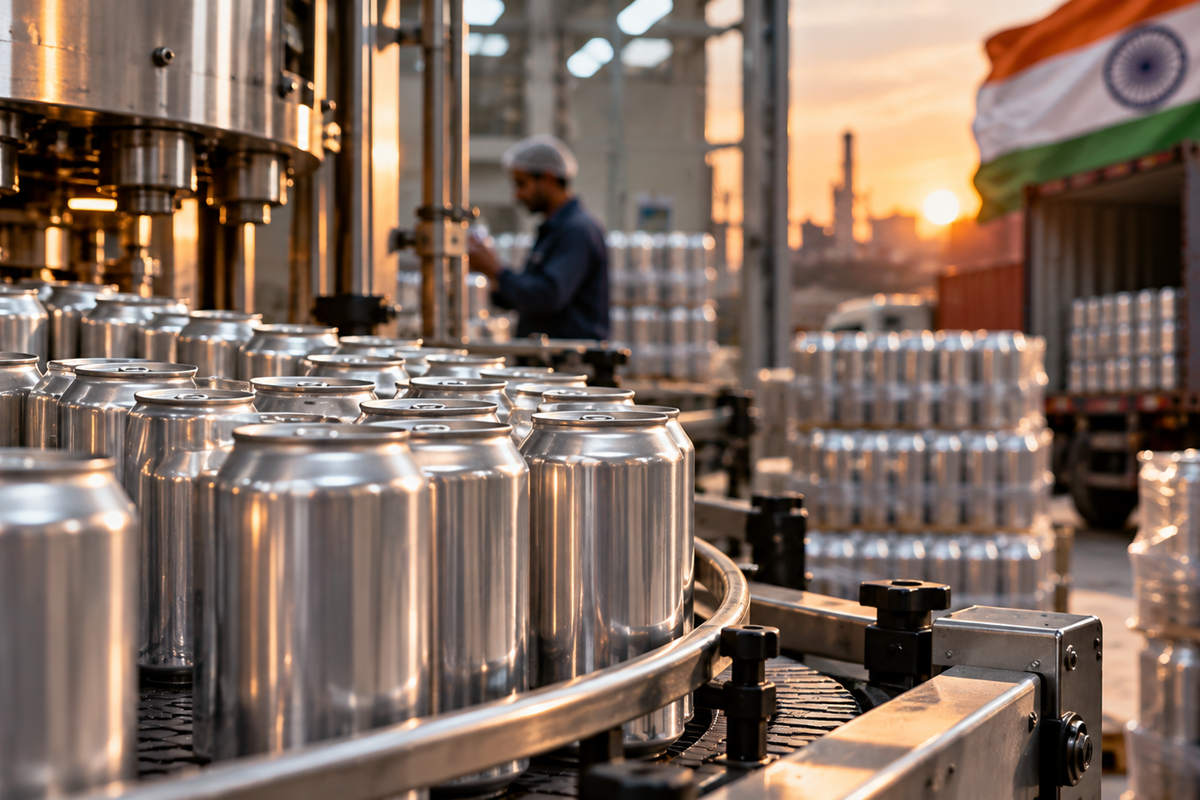
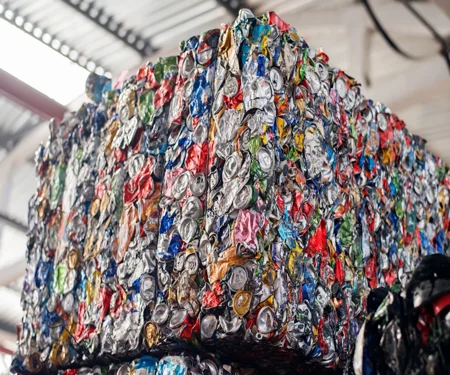
The image used in this article is generated with an AI tool and does not depict any real-time moment.
India’s aluminium beverage-can industry has fallen around 300 million cans short of its planned additional production, as rising demand and supply constraints continue to challenge domestic manufacturers. The government has extended the mandatory Bureau of Indian Standards (BIS) certification deadline for aluminium beverage cans to 2027, giving manufacturers more time to expand production and secure packaging supplies ahead of the summer season.
The revised deadlines, notified last week according to an industry executive cited by The Economic Times, replace the earlier October 31 deadline. Large enterprises must comply from April 1, 2027, small enterprises from July 1, 2027, and micro enterprises from October 1, 2027.
The extension comes as beverage brands, including Diet Coke and some beer labels, face supply constraints. Manufacturers had expected to produce an additional 600 million cans domestically but achieved only half that volume, according to Vinod Giri, director general of the Brewers Association of India.
Domestic can production struggles to match demand
Aluminium cans have gained ground in India’s beverage market as consumer preferences change. Beer and soft drinks sold in aluminium cans now account for more than a quarter of annual sales in these categories, with their share doubling over the past two years, according to the report.
However, domestic can suppliers have struggled to keep pace with the increase in demand. The shortage has been compounded by delays to capacity expansion, with new production lines taking up to a year to become operational. Major suppliers have already exhausted their existing domestic capacity, limiting their ability to respond quickly to additional orders.
The extension is intended to give manufacturers more time to secure packaging supplies as beverage companies prepare for the summer season, when demand for beer and soft drinks typically increases.
“The timing is important because this would help beer companies plan and build inventory for the summer season of 2027,” Giri said.
Imported aluminium cans cost up to 30% more
With domestic supplies under pressure, beverage makers have turned to imports from the United Arab Emirates, Sri Lanka and Southeast Asia, where cans are available. However, imported cans cost 25–30 per cent more than domestically supplied alternatives, adding to procurement costs for beverage companies.
Supply uncertainty has also been heightened by the tensions in the Middle East, which has disrupted expansion plans and affected the availability of empty cans in international markets.
“The war has also added a thick layer of uncertainty over empty can availability worldwide,” Giri stated, adding that overseas manufacturers certified by BIS had been unable to meet India’s growing demand.
The reliance on imports highlights the difficulty of closing the supply gap quickly. Even as overseas sourcing offers an alternative to constrained domestic production, higher costs and uncertainty over availability continue to complicate procurement planning.
To learn the future of aluminium in the packaging industry, explore our report "ALuminium in Packaging: Consumer Trends and Market Dynamics"
BIS certification deadlines move into 2027
Aluminium beverage cans were brought under mandatory BIS certification through a quality control order in April 2025 to improve product safety, freshness and recyclability.
The requirements cover technical standards for materials, dimensions, sealing, pressure resistance, leakage and protective coatings. Both domestic and overseas manufacturers must meet the applicable standards.
The approval process can take time, particularly when applications require inspections of manufacturing plants outside India. These procedures can delay the approval of additional suppliers, making it more difficult for manufacturers to respond quickly when demand rises.
The revised deadlines give businesses additional time to complete the certification process while working to increase supply. However, the extension does not itself add manufacturing capacity or guarantee that the current shortage will be resolved.
For India’s aluminium beverage-can industry, the immediate challenge is to bring more supply into the market while meeting quality requirements. With demand rising and imported cans carrying a cost premium, manufacturers will need to use the additional time to prepare for the next peak beverage season.
Explore a variety of aluminium packaging products such as aluminium cans and other food packaging on AL Biz.
Grow with
AL Circle