Hem’s recycled aluminium shelf to include Hydro Ecodesign’s sustainability principles

Hem, a Stockholm-based independent design firm recognised for producing sustainable furniture, accessories, and lighting, will debut its aluminium shelf system based on extruded aluminium profiles and Hydro EcoDesign's sustainability principles. The shelf is composed of Hydro RESTORE, which is recycled aluminium created from both pre- and post-consumer scrap. Waste from the production process that is melted, cast, and then looped back into the extrusion process is known as pre-consumer scrap.
The unique system for Hem was conceived by Andrea Trimarchi and Simone Farresin of the Italian design firm Formafantasma. The customizable shelf system will help retailers, as well as residential and corporate environments. Aside from its distinct appearance, its key selling points are:
- Easy assembly
- Durable surface
- Rigid construction
- Adjustable feet solution / wall fastening solution
“Most of the cost of a product and its environmental impacts are committed early in the design process, on the drawing board. This is where circular economy begins, and this is where Hydro EcoDesign has a role to play,” says Jonas Bjuhr, who leads Hydro Extrusion Sweden.
Hydro EcoDesign, a concept that blends technical brilliance with creative design to improve a product's usefulness as well as its social and environmental imprint, was used in the partnership between the three organisations.
“Many products cannot be recycled because of the way they are designed and produced. It is either impossible to take them apart or too expensive. We need to produce things that live longer, can be recycled, or reused at the end of life. The T Shelf from Hem and Formafantasma is a great example of a product made for circularity,” added Bjuhr.
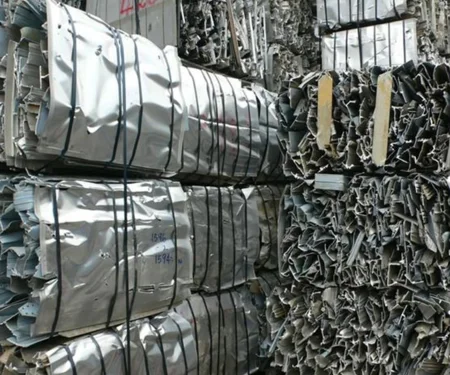
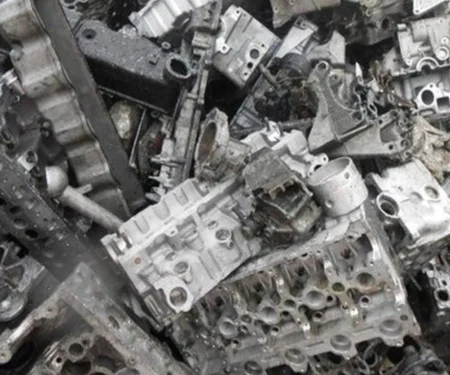
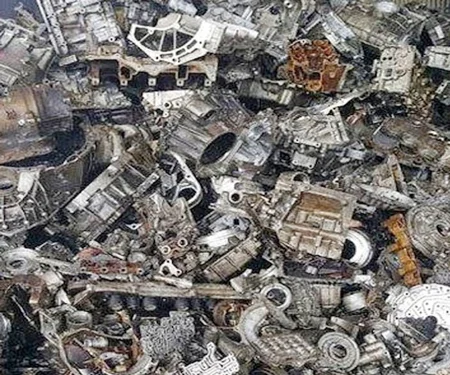
Post-consumer scrap has previously completed a "life" as a window frame, an automobile wheel, or a bicycle frame, for example. As a result, it has a relatively little carbon footprint. Hydro RESTORE, which is given with an Environmental Product Declaration specifying its composition and carbon impact, is completely transparent about the content of pre- and post-consumer waste.
Hem's technology is based on Hydro's extruded aluminium profiles, which are made in Sweden. One extrusion acts as the board, while the other serves as a side, or partition, wall. The shelf's structural support is provided by the so-called T-profile board, which allows for a simple design without the use of a back wall or comparable reinforcement. This also enables the shelves to be sliced into various lengths to provide many parts.
_0_0.gif)
The shelf is fastened to the partitions using the three holes on each end of the profile. The T-profile and connections should also help to stabilise the whole device, eliminating the need for cross-braces or back panels. The second extrusion, which will be used for the partition wall, includes a feature that hides the screws that join the boards.
Greece's import of aluminium household articles during 2019-21 demonstrate bland to enterprising growth; 5% further growth speculated for 2022
Next articleNASA ignorant of Oscart Assembly’s aluminium concept car for ferrying astronauts to the Launchpad
Grow with
AL Circle