EGA restarts 50% of Al Taweelah aluminium smelter, targets full production by Q1 2027
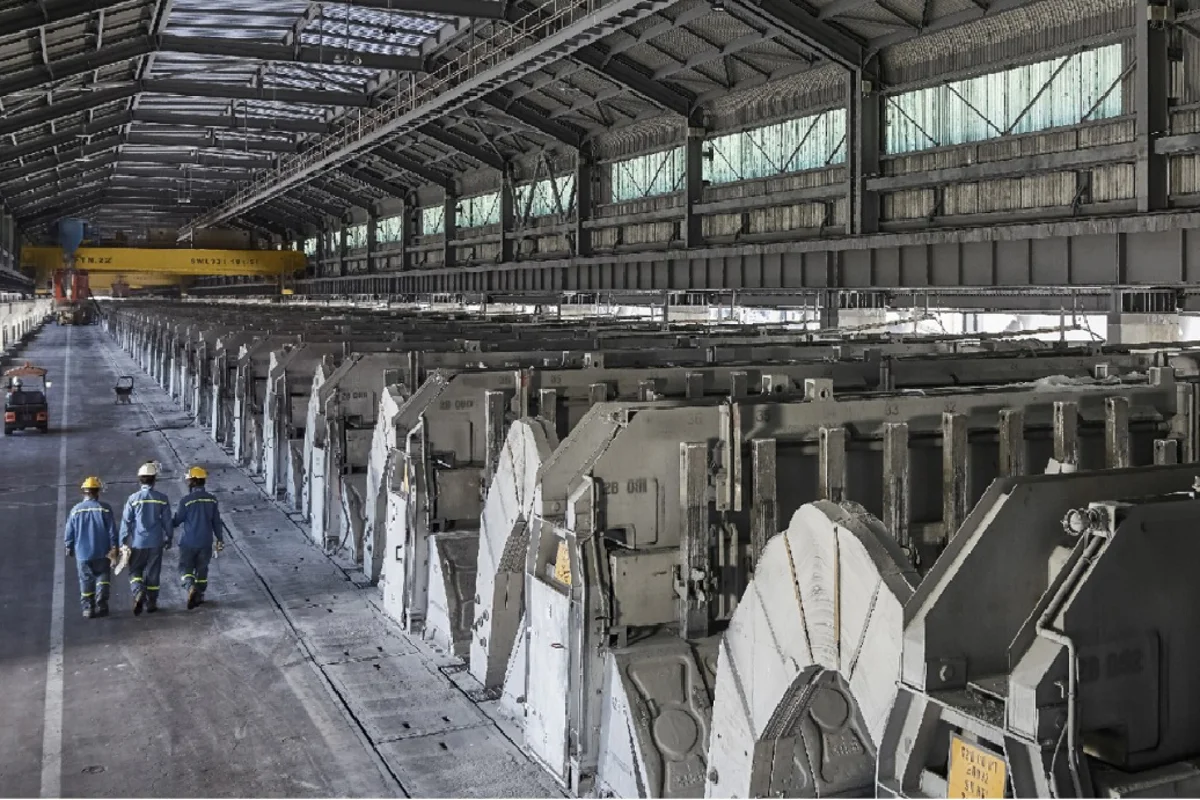
This image has been obtained via official Press Release
Emirates Global Aluminium (EGA) has restarted 631 of the 1,262 reduction cells at its Al Taweelah aluminium smelter in the UAE, marking a major milestone in recovery efforts following an emergency shutdown on March 28 amid regional security developments that affected operations at Khalifa Economic Zone Abu Dhabi.
The shutdown required a full evacuation of the Al Taweelah site, leaving molten aluminium frozen inside every reduction cell. EGA began restarting the first restored cell on May 26 and is now progressing across all three potlines simultaneously, with teams working to restore the remaining cells.
Despite the scale of the disruption, EGA continues to expect the Al Taweelah aluminium smelter to return to full production during the first quarter of 2027.
Abdulnasser Bin Kalban, Chief Executive Officer of Emirates Global Aluminium, said, “With our sustained good progress, we continue to expect that we will reach full production at Al Taweelah smelter during Q1 2027. The restoration of Al Taweelah is the biggest challenge we have ever faced as a company. Thousands of dedicated colleagues are working around the clock to bring back Al Taweelah, and EGA, stronger than ever before.”
Following restart, each reduction cell typically takes a week to stabilise and reach full production. Some of the hot metal produced during this stage is used to restart subsequent cells, while the remainder is sent to EGA’s Casthouse to be cast into finished aluminium products.
EGA expands smelter repair capacity and accelerates E40 technology upgrades
Restoring the Al Taweelah aluminium smelter involves more than restarting the reduction cells. The emergency shutdown caused molten aluminium to freeze inside every cell, leaving solid metal pads weighing up to 45 tonnes that must be removed before restoration can proceed.
After this process, almost 80 per cent of the reduction cells can be restarted. The remaining cells require repairs, potlining demolition and relining, depending on how long they had been operating before the incident.
Although cutting out, repairing and relining reduction cells at the end of their operating life is routine in aluminium smelting, the scale of the Al Taweelah restoration has required EGA to significantly expand its repair capabilities. The company has more than tripled its capacity to safely repair and restart reduction cells compared with its normal rolling maintenance programme. This has been achieved through workflow optimisation, additional equipment, stronger workforce capabilities and new industrial processes.
Explore the production, demand and consumption forecasts of bauxite and alumina in our report: "Global Bauxite & Alumina Market Forecast to 2036: Supply–Demand, Trade Flows & Price Outlook"
EGA is also using the restoration period to accelerate its E40 technology pilot, which would otherwise have required operating reduction cells to be shut down during construction. The project involves upgrading 13 reduction cells using DX technology to test the new system's performance before a potential wider industrial rollout.
The pilot will help establish whether E40 technology can be deployed across all 808 DX technology reduction cells at Al Taweelah. If implemented across these cells, EGA estimates that the technology could increase annual hot metal production by 67,000 tonnes.
Meanwhile, EGA’s Al Taweelah alumina refinery continues to operate at approximately 50 per cent capacity. Although the refinery is technically ready to increase output further, the timing will depend on supply chain dynamics and the optimisation of the company’s alumina sourcing strategy.
Looking for unwrought aluminium business opportunities? Explore potential leads of primary aluminium on AL Biz.
Grow with
AL Circle