06 AUGUST 2013Reuters
China's starts its capacity cut drive in metal sector
Edited by : AL CIRCLE
2 min read

China's plans to force more than 1,900 companies to cut excess capacity in bloated industries including aluminium, steel and copper have met with an underwhelming response from the market.
Certainly, the moves to make China's heavy industries more efficient will have little immediate market impact, but what analysts and investors may be shrugging off a little too lightly is that once trends and processes start, they tend to gather momentum.
The edict to close some capacity by September will do very little to end surpluses in aluminium and steel production in China, as they will impact less than 1 percent of capacity.
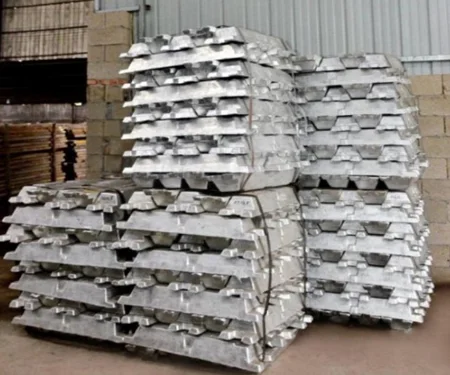
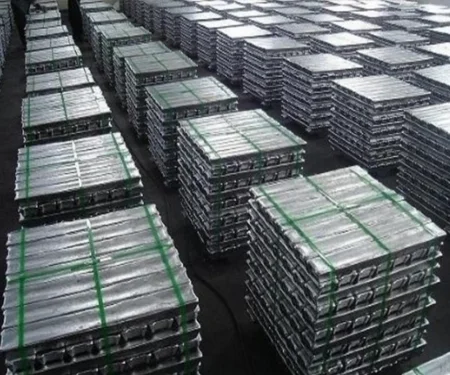
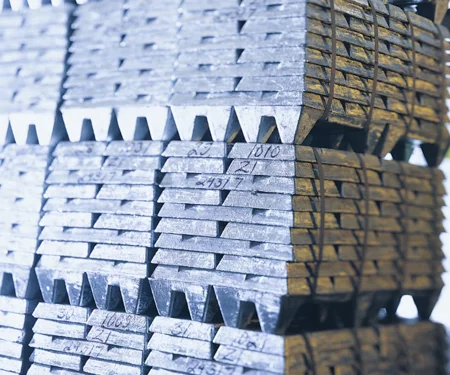
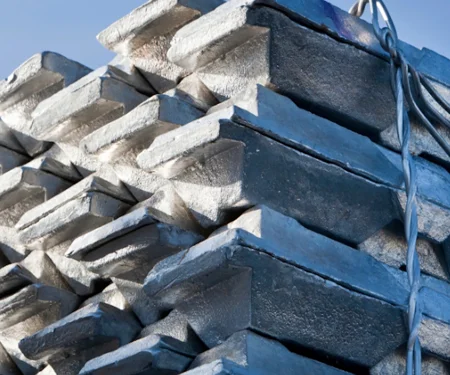
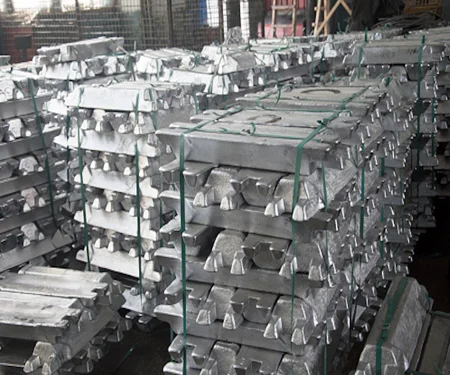
In aluminium, about 260,000 tonnes of annual capacity may be shut, a fraction of the existing capacity of about 27 million tonnes, which is already about 28 percent higher than demand of about 21 million tonnes.
Aluminium output rose to an annualised rate of 22.42 million tonnes in June, and first-half production was almost 11 percent higher than for the same period last year.
The market dynamic at work in China appears to be that new, more efficient capacity is coming on line at a faster pace than older, uneconomic capacity is closed.
To make matters worse, much of the production that sits higher on the cost curve is being kept active through subsidies on power, largely from provincial governments more focused on keeping jobs.
It's much the same story with steel, where mills would rather run at a loss than idle capacity and surrender market share.
But the question to ask is whether Beijing's moves to trim excess and inefficient capacity will continue, or whether they will stall?
Investors and analysts tend to focus on each announcement in isolation, rather than viewing them as part of a process.
It would be unrealistic to expect China to make huge, sweeping changes in what are, after all, industries vital to economic development.
Much more likely is a fairly lengthy process in which steps are gradual and aimed at creating minimal upheaval, not so much in the market of various metals, but more in the political and social sphere.
This has major implications for producers of aluminium, copper and steel outside China.
The market is often slow to recognise that government policies can and do affect supply and demand for commodities, because these decisions often take long periods of time to take effect.
Certainly, the moves to make China's heavy industries more efficient will have little immediate market impact, but what analysts and investors may be shrugging off a little too lightly is that once trends and processes start, they tend to gather momentum.
The edict to close some capacity by September will do very little to end surpluses in aluminium and steel production in China, as they will impact less than 1 percent of capacity.
In aluminium, about 260,000 tonnes of annual capacity may be shut, a fraction of the existing capacity of about 27 million tonnes, which is already about 28 percent higher than demand of about 21 million tonnes.
Aluminium output rose to an annualised rate of 22.42 million tonnes in June, and first-half production was almost 11 percent higher than for the same period last year.
The market dynamic at work in China appears to be that new, more efficient capacity is coming on line at a faster pace than older, uneconomic capacity is closed.
To make matters worse, much of the production that sits higher on the cost curve is being kept active through subsidies on power, largely from provincial governments more focused on keeping jobs.
It's much the same story with steel, where mills would rather run at a loss than idle capacity and surrender market share.
But the question to ask is whether Beijing's moves to trim excess and inefficient capacity will continue, or whether they will stall?
Investors and analysts tend to focus on each announcement in isolation, rather than viewing them as part of a process.
It would be unrealistic to expect China to make huge, sweeping changes in what are, after all, industries vital to economic development.
Much more likely is a fairly lengthy process in which steps are gradual and aimed at creating minimal upheaval, not so much in the market of various metals, but more in the political and social sphere.
This has major implications for producers of aluminium, copper and steel outside China.
The market is often slow to recognise that government policies can and do affect supply and demand for commodities, because these decisions often take long periods of time to take effect.
Previous article
Buyers accumulate shares of Aluminum of China
Next articleWorkers raise its voice against vandalisation of ALSCON
Grow with
AL Circle