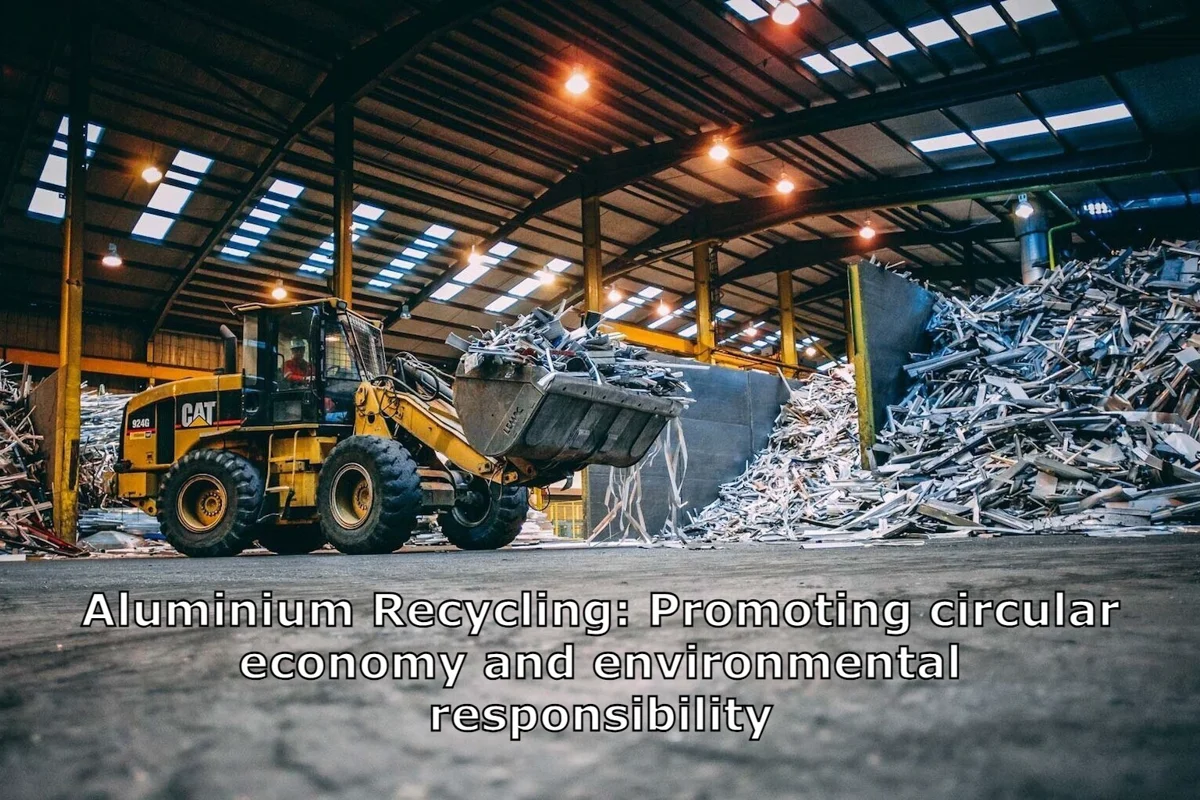
The global heavy metal industry is undergoing a significant transformation. It is prioritising the use of recycled materials to eradicate carbon emissions and promote sustainable practices. In response to escalating environmental concerns and climate volatility, international heavy metal brands are intensifying their efforts to adopt eco-friendly operational frameworks. This shift hinges upon robust renewable energy initiatives and amplified green strategies.
Recycling aluminium emerges as a pivotal solution, outstripping primary production methods by conserving up to 95% of the energy expended in smelting processes. Furthermore, aluminium's status as a 100% recyclable, circular metal facilitates retrieval without significant material loss, reinforcing its reputation as a 'green metal' due to its capacity for perpetual reincarnation within the material loop.
After a downturn attributed to the COVID-19 pandemic and subsequent lockdowns, global aluminium demand is rebounding, with a resurgence to 90 million tonnes in 2021. China stands as the foremost consumer of recycled aluminium globally, with a usage rate of approximately 11 million tonnes in 2021, poised to escalate to 14.5 million tonnes by 2026. China's aluminium industry, including its recycled sector, has undergone notable reforms and operational adjustments in recent years. Stricter regulations governing the importation of aluminium scrap and elevated quality standards have reshaped the landscape.
Projections indicate a positive trajectory for recycled aluminium utilisation in Western Europe, set to rise to 5 million tonnes by 2026, with an annual growth rate of 2.7%. The Asia Pacific region (excluding China) and North America each accounted for approximately 3.5 million tonnes in 2021. Forecasts suggest robust growth in the Rest of Asia Pacific region (excluding China) at approximately 5.5% per annum, while North America is expected to witness a growth rate of 2.9% per annum through 2026.
The European Union introduced the Carbon Border Adjustment Mechanism (CBAM) to combat carbon emissions and leakage. The initial phase of CBAM will run from October 1, 2023, to January 1, 2026. High-emission sectors like aluminium, cement, fertilisers, iron and steel, hydrogen, and electricity will be targeted during this time. The full implementation of CBAM will take effect on January 1, 2026. This is expected to significantly impact the aluminium industry, particularly in the realm of aluminium scrap recycling. The use of recycled aluminium has already increased by approximately 4.4% in 2023 alone, reaching an estimated volume of 28.3 million tonnes. This growth trajectory aligns with sustainability imperatives and the ethos of circular economy practices.
At present, the recycling sector is bustling with innovative technologies and futuristic endeavours. A few of the items that can be recycled and have a huge prospect in the future are:
E-Waste Recycling: The realm of e-waste recycling thrives on innovation and futuristic strides. With the relentless advancement of technology, the need to responsibly dispose of electronic gadgets has become imperative. E-waste recycling initiatives not only salvage valuable materials like gold, silver, nickel, palladium, copper and aluminium but also mitigate environmental hazards posed by improper disposal. From discarded smartphones to outdated laptops, the spectrum of recyclable electronic devices is vast and holds promising prospects for a sustainable future.
Battery Recycling: Battery recycling stands at the forefront of sustainable practices, addressing the mounting concern of energy storage and environmental conservation. With the proliferation of electronic gadgets and electric vehicles, the demand for battery recycling has surged exponentially. This innovative sector not only reclaims valuable materials like lithium, cobalt, nickel, and aluminium but also reduces the environmental trauma caused by battery disposal.
Vehicular and Aviation Parts Recycling: The recycling of vehicular and aviation parts embodies the ethos of resource conservation and industrial sustainability. As automotive and aerospace industries witness technological advancements and paradigm shifts, the need to recycle end-of-life components becomes imperative. Vehicular parts and aviation components recycling not only extracts valuable materials like aluminium, titanium, and composites but also fosters a circular economy model. By repurposing components and minimising waste generation, this sector contributes significantly to environmental preservation and resource optimisation.
Construction Waste Recycling: Construction waste recycling epitomises the convergence of sustainability and urban development, offering a pragmatic solution to the burgeoning challenge of waste management. In the realm of construction, where materials like concrete, wood, and metals abound, recycling initiatives hold immense potential for resource recovery and environmental stewardship. By repurposing demolished structures and reclaiming reusable materials, construction waste recycling not only minimises landfill burden but also promotes circular economy principles, thus reshaping the landscape of sustainable infrastructure development.
Packaging Recycling: Packaging recycling emerges as a beacon of environmental responsibility in the realm of consumer goods and retail industries. With the omnipresence of packaging materials like cardboard, plastics, and metals, the imperative to adopt sustainable packaging practices has never been more pressing. Packaging recycling drives encompass a spectrum of materials, from single-use plastics to corrugated cardboard, from aluminium foils to aluminium layered packaging variants, aiming to divert waste from landfills and foster material recovery. By embracing circular economy principles and innovative recycling technologies, packaging recycling initiatives pave the way for a more sustainable and resource-efficient future.
Cases and Chassis Recycling: The recycling of cases and chassis underlines the pivotal role of end-of-life product management in the pursuit of industrial sustainability. In sectors like electronics, automotive, and manufacturing, the disposal of cases and chassis poses significant environmental challenges due to their composition of diverse materials like aluminium, steel, and plastics. Cases and chassis recycling programmes not only reclaim valuable metals and polymers but also mitigate the environmental impact associated with landfill disposal. Through advanced sorting techniques and material recovery processes, this sector contributes to the circular economy paradigm, thus reshaping the landscape of product lifecycle management and resource utilisation.
The aluminium industry, renowned for its energy-intensive processes, has seen a transformative shift towards sustainability and, in turn, low-carbon aluminium, particularly with the advent of the Paris Environmental Act in 2015. Here's a concise overview of key players and their contributions to low-carbon aluminium production:
- Offers two low-carbon variants: REDUXA (primary aluminium) and CIRCAL (recycled aluminium).
- Achieves a maximum carbon footprint of 4 kg CO2e per kg aluminium.
- Utilises renewable energy sources like hydropower and advanced electrolysis technology.
- Provides transparency across the entire value chain, from mining to recycling.
- Introduces AL:sust™, featuring high recycled content aluminium alloys.
- Develops innovative strains like HRC57S® and HRC73A® for architectural applications.
- Emphasises quality and sustainability to meet industry standards.
- Produces LocAl® low-carbon aluminium from recycled post-consumer scrap and primary aluminium.
- Certifies CO2e content at or below 8kg CO2e/kg AL for LocAL Green and 4kg CO2e/kg AL for LocAL Super Green.
- Maintains ASI certification for transparent and sustainable production processes.
- Offers the Sustana™ family of low-carbon products, including EcoLum™ primary aluminium with significantly reduced emissions intensity.
- EcoSource™ provides low-carbon alumina with emissions intensity below industry averages.
- EcoDura™ conserves energy with at least 50% recycled content.
- Introduces Restora and Restora Ultra, offering low and ultra-low-carbon aluminium.
- Customised products for various industries while ensuring a low GHG emission intensity.
- Develops CelestiAL solar aluminium, powered by solar energy, reducing environmental impact.
- Attracts global clients like BMW, Mercedes-Benz, and Nissan with sustainable aluminium solutions.
- Launches Natur-Al™ low-carbon aluminium, boasting CO₂ levels well below industry averages.
- Facilitates carbon neutrality through fully offset products like Natur-Al™ ZERO.
- Presents Allow, a low-carbon aluminium brand with significantly reduced CO2 emissions.
- Relies heavily on renewable energy sources and implements energy-saving technologies.
These industry leaders exemplify a collective commitment to sustainability, offering a diverse range of low-carbon aluminium products. From recycled content to renewable energy usage, each company contributes to mitigating the carbon footprint of aluminium production, aligning with global Net Zero initiatives.
In advancing the material recycling sector, sorting and recycling machinery play pivotal roles. Several leading companies specialise in providing cutting-edge equipment for this purpose. Notably, the sorting of aluminium packaging is facilitated by patented technologies such as Laser Induced Breakdown Spectroscopy (LIBS), championed by industry leaders Steinert GmbH and Tomra. Their flagship devices have significantly transformed the landscape of aluminium recycling.
Furthermore, green initiatives like Podback, focusing on aluminium pod recycling, and EVERYCANCOUNTS, dedicated to aluminium can recycling, are instrumental in shaping the framework of the aluminium packaging recycling sector. Rick Hindley, CEO of Podback, emphasised in an interview with AL Circle, "Research conducted for Podback showed that 90% of pod users wanted to be able to recycle their coffee pods."
In conclusion, the trajectory of aluminium recycling heralds a paradigm shift toward environmental responsibility and sustainability within the global heavy metal industry. With impending concerns over carbon emissions and climate volatility, the emphasis on circular economy principles and recycled materials has never been more crucial. The resurgence of aluminium demand post-pandemic, coupled with projections of increased recycled aluminium utilisation, highlights the industry's commitment to green practices. Leading companies like Hydro, Novelis, and Alcoa spearhead this movement, offering innovative low-carbon aluminium solutions and championing renewable energy adoption. As the recycling industry continues to innovate and evolve, it reaffirms its pivotal role in promoting a sustainable future aligned with global Net Zero initiatives and environmental stewardship.
To learn more about the international aluminium sector, please have a look at AL Circle's special report, World Recycled Aluminium Market Analysis.