









Most construction delays don’t start on-site. They start in procurement.
Construction procurement means sourcing the right materials at the right cost, quality and time. Projects depend on clear RFQs to ensure fair pricing, proper negotiation and reliable supplier selection.
Aluminium makes this harder. It is not one product. It comes as extrusions, coils, castings and full systems. In most cases, each needs a different supplier.
This guide explains how aluminium procurement in construction works, where buyers go wrong and how to fix it.
What is an RFQ in Aluminium Procurement in Construction?
An RFQ, or Request for Quotation, is a formal document used to collect pricing, delivery timelines, and terms from suppliers. Many construction companies now use RFQ tools within digital B2B marketplaces like AL Biz. These tools help manage supplier responses in one place.
In construction, RFQs are used for:
- Core materials like:
- Aluminium extrusions (6063, 6061)
- ACP panels (PE/PVDF coating)
- Coil thickness & temper
- Electrical and plumbing supplies
- Equipment and machinery
- Subcontracted work managed through vendor systems
Why RFQs Matter in Construction Procurement
Construction projects involve many vendors and moving costs. Without structure, pricing and timelines quickly go out of control.
A clear RFQ process brings order and helps teams stay aligned.
Key Benefits of RFQs
- Easier comparison of supplier quotes on the same terms
- Better budget control with clear pricing visibility
- Stronger supplier accountability through tracked performance
- Faster approvals within the procurement cycle
As a result, RFQs reduce confusion and give buyers more control.
Aluminium Procurement Categories in Construction
You can’t treat all aluminium the same. The sourcing approach changes by category.
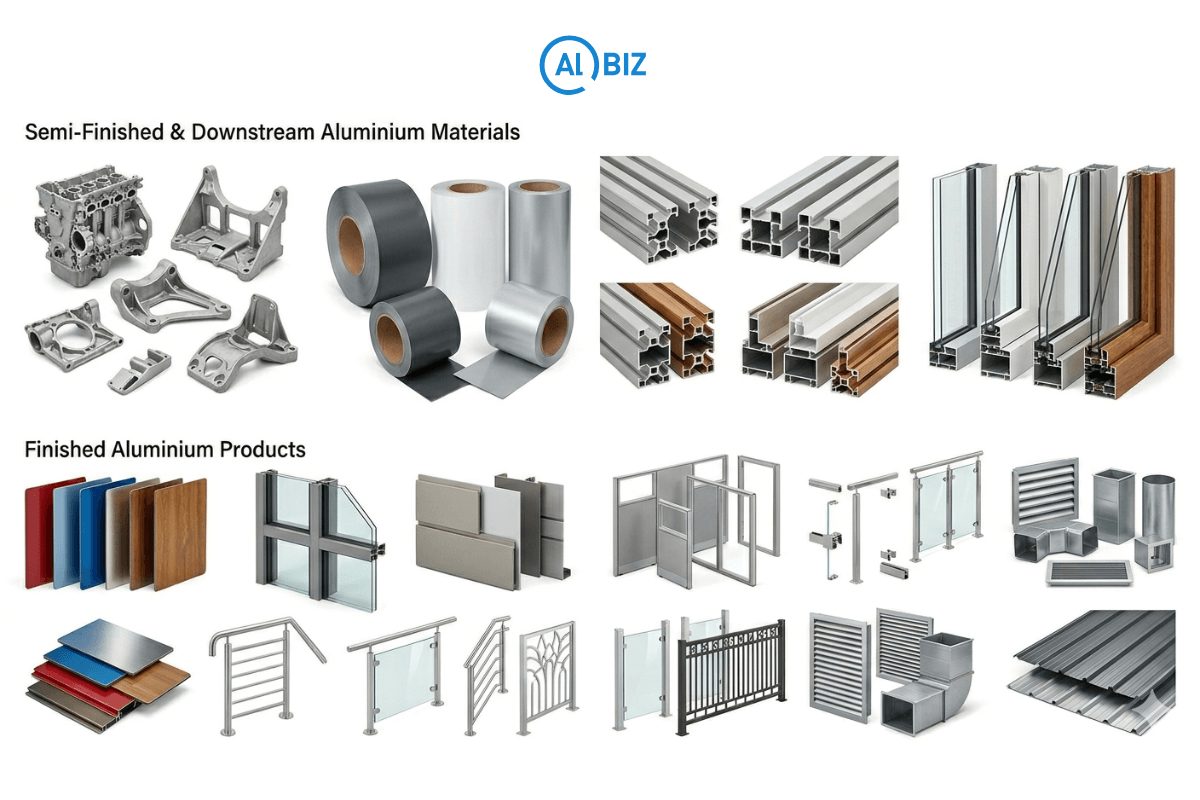
Semi-Finished & Downstream Aluminium Materials
These are base materials used for further fabrication:
- Aluminium castings for structural parts
- Aluminium coils for roofing and cladding
- Aluminium extrusions for doors, windows and frames
Finished Aluminium Products
These are engineered systems ready for installation:
- Exterior surface protection and architectural finish are achieved using ACP and cladding panels in modern buildings.
- For high-rise structures, glass integration and weather resistance are handled through curtain wall and facade systems.
- Flexible layouts and space efficiency inside buildings are supported by modular and interior structures.
- Safety and boundary definition across residential and commercial spaces rely on railings and fencing systems.
- Air circulation and temperature control within buildings are managed by HVAC and ventilation units.
- Protection against weather exposure and structural covering is ensured through durable roofing systems.
The Aluminium Procurement Workflow for Construction
Here’s how the process should work from start to finish.
Step 1: Requirement Definition
Start with clarity. You’ll need:
- Drawings and dimensions
- Alloy and finish details
- Load and performance specs
- Quantity and timeline
Step 2: Supplier Discovery and Prequalification
Don’t just pick the first supplier. Check if they can actually deliver.
Look for:
- Past project experience
- Certifications and standards
- Production capacity
- Financial reliability
Too many buyers skip this. Then they deal with failure mid-project.
Step 3: RFQ Stage
This is where you ask suppliers for price and terms. But an RFQ only works if your input is clear.
Include:
- Exact product specifications
- Quantity and batch details
- Delivery schedule
- Payment terms
This helps you compare suppliers on the same basis.
Without this, quotes are useless.
Step 4: Bid Evaluation
Don’t choose based on price alone. That’s the easiest mistake.
Check:
- Lead time
- Fabrication capability
- Quality track record
- Logistics support
A cheap supplier with delays will cost more in the end. Learn about why buyers need to think beyond price when sourcing aluminium.
Step 5: Negotiation and Contract
Set clear terms before placing the order. Do not miss out on:
- Payment terms
- Quality checks
- Incoterms
- Penalty clauses
Step 6: Order Execution and Delivery
Every procurement team must track:
- Production status
- Dispatch timelines
- Inspection reports
Step 7: Post-Delivery Review
After delivery, review supplier performance. Check:
- Quality issues
- Delays
- Service support
And decide if you will work with them again.
Key Challenges in Aluminium Procurement
This process fails more often than it should. And most issues show up when it’s already too late to fix them.
- Price Volatility
Aluminium prices change frequently due to global market movements. If contracts are not locked early, budgets can quickly go off track. This creates pressure on both procurement teams and project timelines.
Some of the best ways to stay up to date with the industry are by keeping an eye on LME prices and tracking market trends.
- Fragmented Supplier Base
The market is filled with small and mid-sized suppliers. Their capabilities, quality standards, and reliability vary widely. Without proper screening, buyers risk working with suppliers who cannot meet project demands.
AL Biz lists a curated directory of suppliers across the entire aluminium value chain.
- Lead Time Issues
Products like extrusions and fabricated systems require production time. Delays often happen due to poor planning, limited capacity, or weak coordination between the supplier and the buyer.
- Quality Risks
Quality issues are common and costly. Surface defects, incorrect alloy composition, or poor finishing often appear after delivery. At that stage, replacement or rework leads to delays and added expense.
How Digital B2B Marketplaces like AL Biz are Changing Procurement
This is where platforms like AL Biz come in.
Traditional sourcing depends on contacts and guesswork. But that isn’t always the wisest choice when you have an urgent procurement need.
A digital marketplace helps in simple ways:
- Find multiple suppliers in one place
- Compare quotes side by side
- Access verified sellers
- Get support in assisted metal trade
And it reduces dependency on one supplier, which alone lowers risk.
Best Practices for Aluminium Procurement for Construction on AL Biz
If you want fewer problems, follow these.
- Define specs clearly before RFQ
- Shortlist 3 to 5 suppliers
- Compare total cost, not unit price
- Check supplier history before ordering
- Use digital platforms like AL Biz for sourcing
Fill out our RFQ form for your sourcing requirements for construction materials and get offers from multiple suppliers.
Conclusion
Procurement is not a backend task anymore. It decides cost, speed and quality. Aluminium makes this harder because it involves multiple products and suppliers.
If your process is weak, your project will suffer. But if you structure procurement well, you reduce risk. And with the right tools and suppliers, the process becomes predictable.
That’s where a platform like AL Biz helps. It brings suppliers, quotes and support into one place.
And that’s what most construction buyers actually need.


 Voyagerman Technology


