Stronger US dollar continues to weigh on LME aluminium; the contract plunged on Friday while SHFE recovered some losses
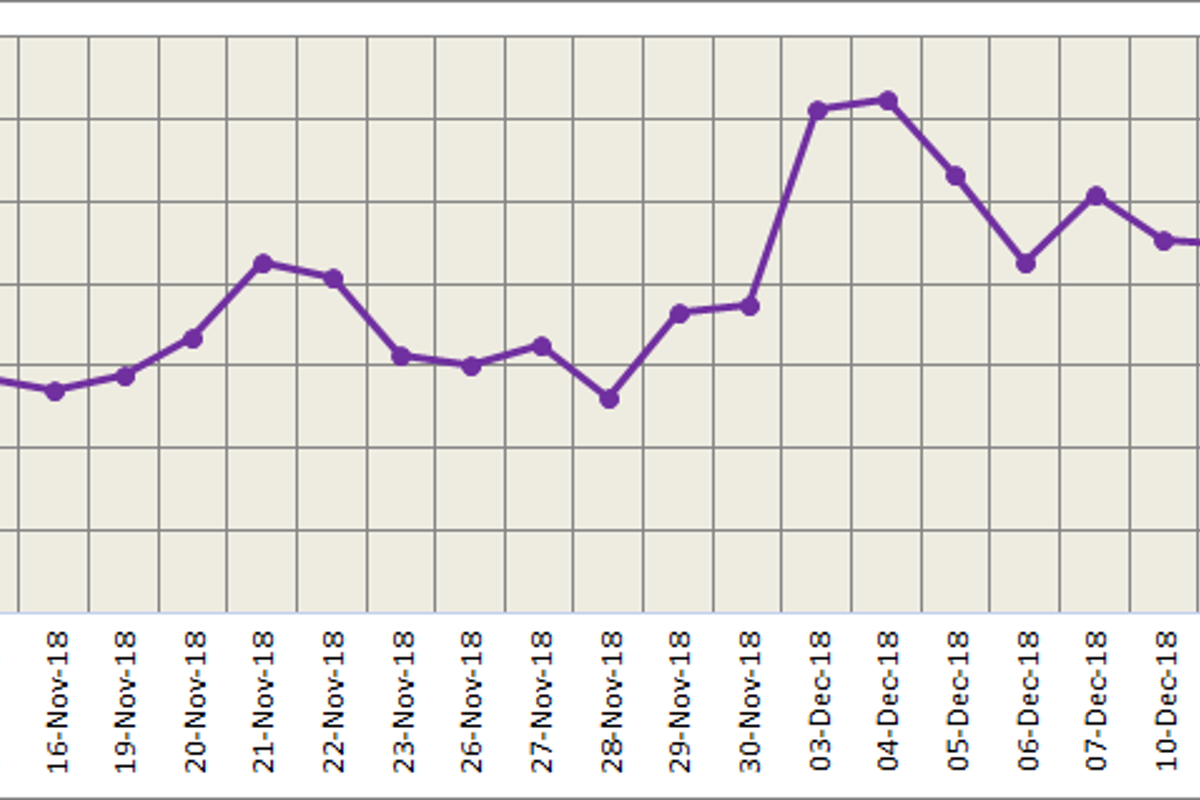
The US dollar reached a 19-month high against a basket of currencies on Friday, as investors preferred the safety of the world's reserve currency in the wake of political and economic turmoil outside the US. Most LME base metals traded lower on Friday while SHFE base metals ticked higher across the board on Friday night. LME aluminium dropped about 0.2%.while SHFE Aluminium climbed 0.2%.
LME aluminium closed Friday’s trading at US$ 1908 per tonne and gained some losses at night trading. The contract however dropped to a low of US$1,918 per tonne on Friday before it recovered some losses to end at US$1,925.5 per tonne. The stronger US dollar is expected to continue to weigh on LME aluminium, which is likely to trade at US$1,915-1,935 per tonne today.
As on December 14, Friday, LME aluminium cash (bid) price stood at US$ 1907per tonne, LME official settlement price stands at US$ 1908 per tonne; 3-months bid price stands at US$ 1920.50 per tonne, 3-months offer price is US$ 1921 per tonne; Dec 19 bid price stands at US$ 1977 per tonne, and Dec 19 offer price stands at US$ 1982 per tonne.
The LME aluminium opening stock increased to 1150100 tonnes. Live Warrants totalled at 909900 tonnes, and Cancelled Warrants were 240200 tonnes.
LME aluminium 3-months Asian Reference Price is hovering at US$ 1929 per tonne.
SME and SHFE Aluminium Price Trend
The benchmark aluminium price on Shanghai Metal Exchange dropped to US$ 1963 per tonne today from US$ 1965 per tonne on December 14.
The SHFE 1902 contract ceased its increase after rose twice to an intraday of RMB 13,665 per tonne. With pressure from a stronger US dollar above 97, it dipped to a low of RMB 13,630 per tonne and ended at RMB 13,640 per tonne yesterday. After opening lower, the SHFE 1902 contract climbed on Friday night and closed at RMB 13,665 per tonne. We expect it to trade at RMB 13,600-13,700 per tonne today with spot prices at discounts of RMB 20 to premiums of RMB 20 per tonne. Continued weak fundamentals will see the contract testing resistance at the five-day moving average.
Sohar Aluminium appoints a new Chief Operating Officer
Next articleChina's inventory of primary aluminium drops with smelter capacity cut; market prices remain unchanged today
Grow with
AL Circle