Both SHFE and LME aluminium pull back as supply-demand and geopolitics interweave bullish and bearish factors
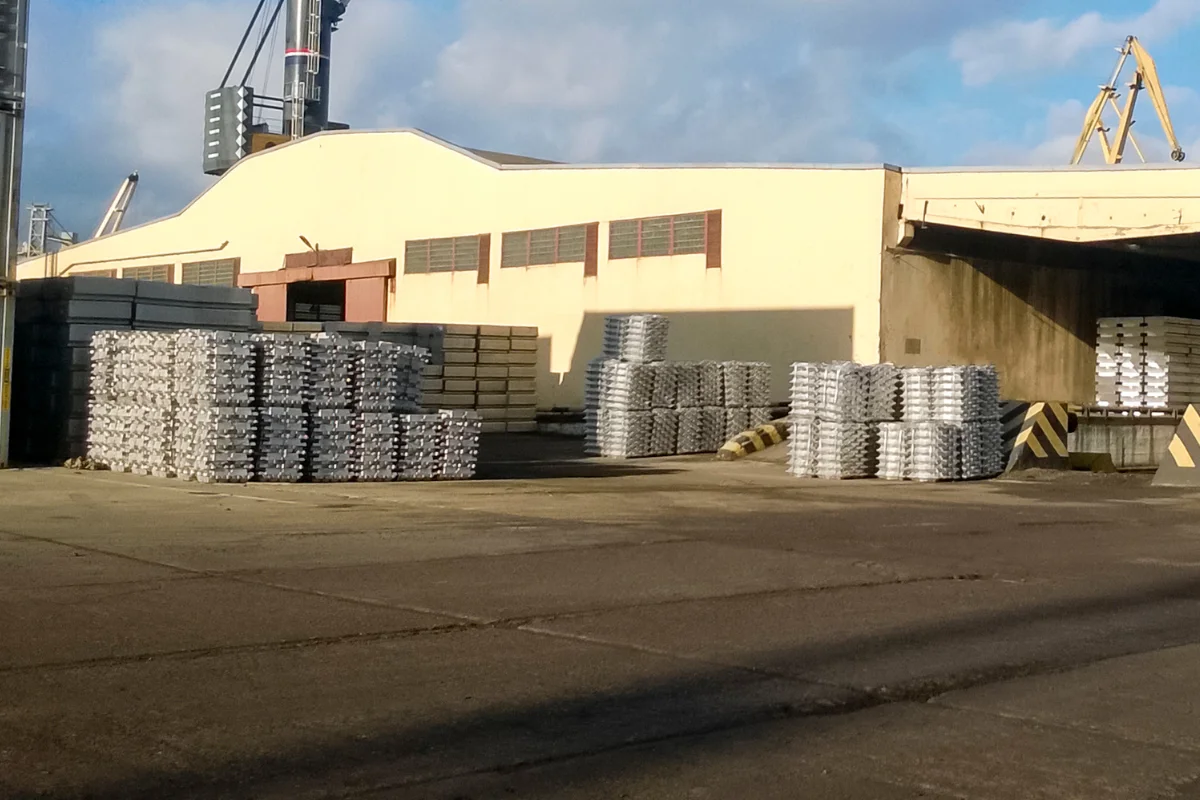
Stock image for referential purposes only
The most-traded SHFE aluminium 2612 contract closed at RMB 22,940 per tonne, down RMB 175 from yesterday's settlement price, a decline of 0.76 per cent. It opened at RMB 22,985 per tonne during the day and fluctuated within a range of RMB 22,910-23,050 per tonne. Prices are running below the MA5 (23,167.00), MA10 (23,276.00), MA30 (23,496.00), and MA60 (23,753.00) moving averages.
The rebound encountered resistance and pulled back again, with a weak downward structure emerging. The moving averages above constitute key pressure resistance. The MACD DIF (-159.4945) is above the DEA (-164.0708), and the MACD red bar value is 9.1526. Bearish momentum edged up slightly. The recommended core trading range for SHFE aluminium is RMB 22,850-23,250 per tonne. The LME aluminium 3M contract closed at USD 3,040.5 per tonne, down 1.82 per cent.
It opened at USD 3,093 per tonne during the day and fluctuated within a range of USD 3,017.0-3,093 per tonne. Prices are running below the MA5 (3,069.8), MA10 (3,055.8), MA30 (3,093.4), and MA60 (3,181.1). After rebounding, prices pulled back again, with a weak consolidation structure emerging. The moving averages above constitute clear resistance. The MACD DIF (-25.6659) is above the DEA (-37.2083), and the MACD red bar is 23.0847. Bearish momentum rebounded slightly. The recommended core trading range for LME aluminium is USD 2,950-3,150 per tonne.
Macro front: Military friction and diplomatic engagement are proceeding in parallel, and the Middle East situation remains uncertain. On November 2 local time, US forces attacked Iran's Qeshm Island. US President Trump acknowledged that US forces launched a "small-scale attack" on Iran, while Iran stated that its defence readiness is at the highest level. Iran demanded that the US provide a complete and clear response to seven conditions; otherwise, it will not open the Strait of Hormuz or engage in negotiations.
Qatari Foreign Ministry spokesperson Majed Al-Ansari stated on November 3 that the US and Iran are studying a proposal put forward by mediators aimed at ending the conflict, but differences between the two sides still need to be bridged, and relevant diplomatic efforts are continuing. Trilateral negotiations among Russia, the US, and Ukraine will be held in Abu Dhabi, UAE, from November 10 to 11.
Ukrainian and US delegations will hold simultaneous meetings, focusing on energy and critical infrastructure ceasefires, and the resumption of Black Sea grain exports. NATO representatives will meet with representatives from France, Germany, the UK, and the US later this week to discuss how to advance efforts to end the Ukraine conflict.
Fundamentals: Supply side, replacement projects released a small amount of idle capacity, and China's weekly aluminium production continued to edge up last week; overseas, the recovery trend in aluminium supply continued. Demand side, aluminium ingot social inventory has fallen to a near four-year low, but the destocking pace has slowed recently; in the downstream processing sector, with the traditional peak season ending, some downstream processors reported weakening demand.
Primary aluminium market: East China market: Yesterday, aluminium prices continued to move downwards after a higher opening, and remained at low levels during the morning's main trading session. Overall market sentiment was weak, and the continuously falling spot premiums led buyers to adopt a wait-and-see attitude. Moreover, the price spread between futures contracts widened again during the day yesterday, and spot premiums fell further.
SMM A00 aluminium ingot spot transactions were concluded at premiums of RMB 40-70 per tonne. Central China market: Yesterday, aluminium futures prices remained relatively stable, and the price spread between Henan and Shanghai was in a narrowing range. Trading sentiment in the central China market warmed somewhat, and traders' willingness to inquire about purchases edged up, prompting suppliers to keep their selling quotes relatively stable without further sharp declines.
Ultimately, actual transaction prices in the central China market were centred around discounts of RMB 80-100 per tonne against the SHFE aluminium November contract. South China market: Yesterday, aluminium prices edged down, and spot market contradictions were locked in a stalemate. Low absolute prices and low inventory supported firm price-holding and slow selling, with spot circulation pressure relatively controllable; however, the backwardation structure in near-month contracts resulted in a large price spread between futures contracts, and the basis for the next-month contract was actually on the high side.
There was no shortage of demand for timely monetisation, and slight downward adjustments to stimulate sales were inevitable. Mainstream quotes were in a range from small discounts to parity, neither up nor down. On the demand side, facing lower prices, buyers still made purchases to replenish inventory amid a wait-and-see stance; the crux was a lack of confidence in the high basis, with widespread caution in purchasing and reluctance to enter the market excessively, making transactions less than ideal. Spot transaction prices were concentrated at premiums of RMB 110-150 per tonne against the SHFE aluminium 2611 contract.
Aluminium scrap: Yesterday, SMM A00 aluminium prices closed at RMB 23,450 per tonne, down RMB 70 per tonne M-o-M from the previous trading day. Aluminium scrap market prices followed cautiously, with some regional varieties making up for yesterday's decline. In terms of the price difference between A00 aluminium and aluminium scrap, on November 3, Foshan mixed aluminium extrusion scrap free of paint was about RMB 1,970 per tonne, and shredded aluminium tense scrap was about RMB 346 per tonne. Supply side, tax inspections are advancing in depth, and invoice tax rates for some leading cast aluminium alloy recyclers have risen further.
Competition among enterprises for compliant supply has intensified, and actual effective supply remains tight. Demand side shows structural divergence: downstream orders for cast aluminium alloy are recovering marginally, and market activity has improved from the earlier period, but overall growth is limited, with strong price support for aluminium tense scrap; scrap utilisation enterprises in the wrought aluminium alloy sector are proactively lowering recycling prices due to full raw material and finished product inventories, and downside risks for wrought aluminium alloy scrap are emerging.
In the short term, the aluminium scrap market is expected to continue to hold up well. Supply side, the scope and intensity of tax inspections remain the core variable, and the tight supply of compliant invoiced cargo is unlikely to ease in the short term, with invoice holders on solid footing to hold prices firm. Demand side, marginal improvement in cast aluminium alloy orders is expected to continue providing support for aluminium tense scrap, but growth is mild, limiting upside room; for wrought aluminium alloy scrap, attention should be paid to the transmission of pullbacks under inventory pressure. If wrought aluminium alloy enterprises continue to push for lower prices, the divergence among aluminium scrap varieties will further intensify.
Secondary aluminium alloy: Yesterday, the ADC12 market was generally weak. Cost side, the earlier pullback in aluminium prices and futures had exerted some pressure on market sentiment, but as yesterday's decline in aluminium prices narrowed, some enterprises' willingness to lower quotes weakened. At the same time, raw material prices such as aluminium scrap remain relatively firm, and production cost pressure persists, with enterprises still having some willingness to hold prices firm.
Demand side, end-use consumption improvement is limited, downstream purchasing enthusiasm is weak, and market transactions are mediocre. Overall, the current ADC12 market has a strong wait-and-see sentiment, and in the short term it is expected to consolidate on a subdued note within a narrow range. Attention should be paid to aluminium price trends and actual downstream purchasing.
Comprehensive outlook: Macro sentiment is mixed, geopolitical situations remain volatile, and the US-Iran peace talks and Russia-Ukraine-US trilateral negotiations have yet to yield final results; fundamentals side, although China's aluminium ingot social inventory has reached a near four-year low, the destocking speed has slowed. The industry has entered the off-season, and some downstream demand weakening signals have emerged in the market. The recent decline in aluminium prices has marginally improved downstream costs, but downstream players have become more cautious amid the downward trajectory, with cargo pick-up pace slowing. Fundamentals are also mixed, and aluminium prices are expected to consolidate within a range in the short term.
Note: This article has been issued by SMM and has been published by AL Circle with its original information without any modifications or edits to the core subject/data.
LME aluminium price falters at $3,082/t with stable alumina price on November 3
Next articleEuropean aluminium industry ‘bruised but resilient’ amid CBAM pressure and rising ETS costs, says Paul Voss
Grow with
AL Circle