“The ideal digital transformation for the aluminium industry would be the elimination of human workers in production shops and the control of technological processes with the maximum level of safety,” Sergey Kidakov, Founder, GreenAlum Project
- Category
- Interview
- Date
- Source
- AlCircle.com
Spearheaded by Sergey Kidakov, at the helm of the innovative GreenAlum project, a remarkable journey has unfolded in engineering and information systems across diverse industries. Armed with a comprehensive education in information systems and construction engineering, Kidakov's proficiency extends seamlessly into various domains. Since its inception in 2014, the GreenAlum project has seen substantial progress, boasting a team of seasoned professionals with extensive aluminium and mechanical engineering expertise. Many team members hold dual higher education degrees and possess academic accolades in technical and chemical sciences.
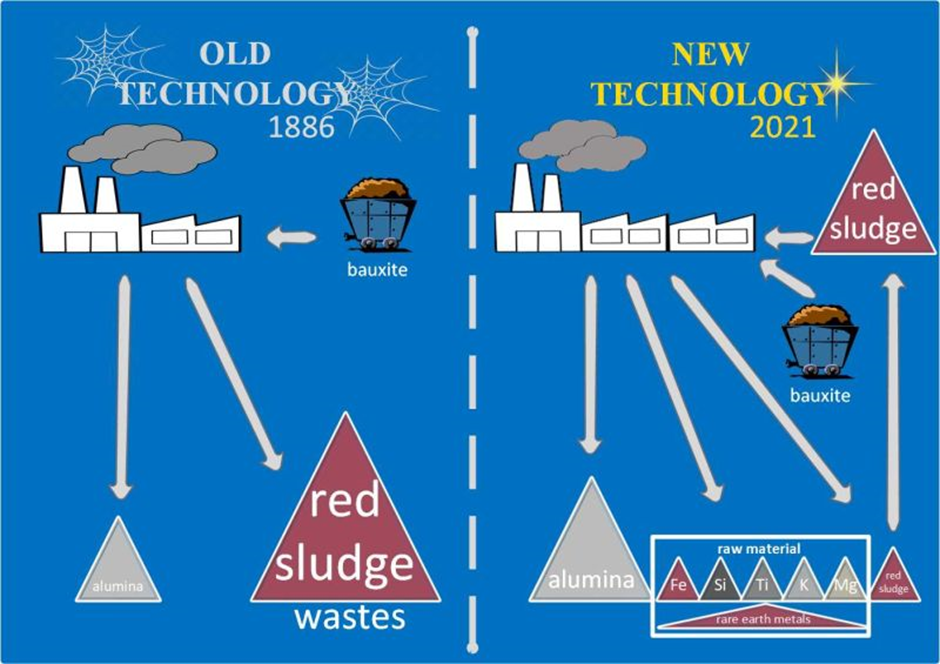
The GreenAlum initiative is dual-faceted, focusing on pioneering new technology for primary aluminium production and championing a waste-free approach to process bauxite and alumina production waste, particularly red mud. The paramount objective is centred on achieving waste-free recycling within the project's scope.
AL Circle: How would you describe the current state of the aluminium industry in terms of digital transformation? What key trends or developments have you observed in the industry's digital evolution?
Sergey Kidakov: In the modern world, interruptions in the supply of resources begin. Disruptions are complicated by a significant increase in the cost of resources. To remain competitive, aluminium companies must optimise production, and the most effective method is digital transformation. Without going into details, the general trend in the industry is focused on studying, discussing, and understanding new technologies. The number of implementations of digital automation and analytics is not large but is growing. Objectively, there is a lack of competencies and cooperation between market participants in the implementation of innovations.
AL Circle: What challenges does the aluminium industry face in adopting digital technologies? On the flip side, what opportunities arise from embracing digital transformation in this sector?
Sergey Kidakov: The aluminium industry faces problems that are also encountered in other sectors - a need for more qualified personnel, a lack of funding for innovation, especially against the backdrop of the economic crisis, and the wrong choice of technologies on the market to achieve specific goals. Digital transformation can be an excellent solution to reduce production costs, improve work culture and increase transparency of business processes for business owners, investors, and managers. But this is not a panacea for all problems. You shouldn't only focus on and invest in digital transformation; it is most effectively used in combination with production automation, reducing workplace injuries, improving logistics, etc.
AL Circle: How have digital technologies such as IoT, AI, and automation impacted the overall efficiency and productivity of aluminium manufacturing processes?
Sergey Kidakov: Each participant in the aluminium industry encounters new technologies in their work differently. As a developer and optimiser of new technological processes, I can estimate the level of implementation is quite low compared to instrumentation and machine tool manufacturing, the pharmaceutical industry, and other industries with a high degree of automation and the use of AI in technological processes. The degree of mastery of digital technologies can be judged when basic new technologies aimed at energy saving and reduction of indirect costs (logistics, equipment maintenance, reduction of human participation in the technological process) are mastered.
AL Circle: To what extent has smart manufacturing been integrated into aluminium production processes? Are any specific smart manufacturing technologies that have proven particularly beneficial for the industry?
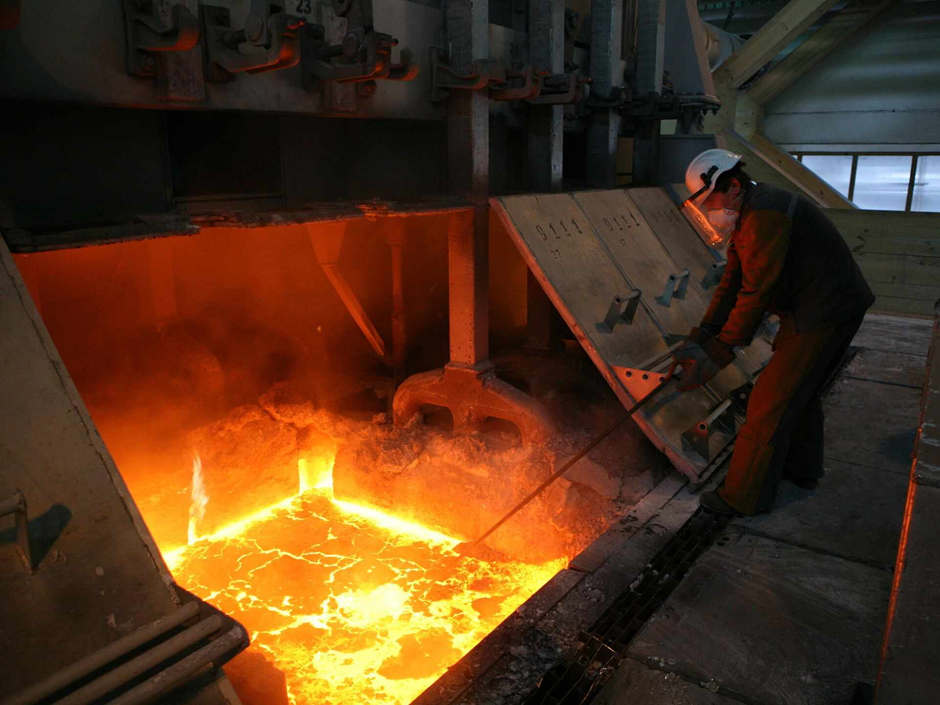
Sergey Kidakov: Different companies have different approaches to introducing digital technologies into production. Due to the high cost of innovation, long payback periods, and the lack of urgency for enterprises to operate, digital technologies are often saved. This leads to a decrease in the competitiveness of enterprises in the medium and long term. The most useful technologies recently are those that reduce inconsistent staff participation in industries with hazardous working conditions. Various green technologies using renewable energy sources are considered controversial and ineffective when viewed holistically, considering the efficiency of the energy sources.
AL Circle: With the increasing reliance on digital technologies, how is the aluminium industry addressing cybersecurity concerns and ensuring data protection?
Sergey Kidakov: When it comes to cybersecurity, the aluminium industry is no different from other industries. Very often, the recommendations of information security specialists are grossly violated. Since there are no strategically important objects in the aluminium industry, it is of almost no interest to hackers. Therefore, the number of incidents in the industry is at an everyday level.
AL Circle: What do you foresee as the future of digital transformation in the aluminium industry? Are there any emerging technologies or trends that will play a significant role?
Sergey Kidakov: The ideal digital transformation for the aluminium industry would be the elimination of human workers in production shops and the control of technological processes with the maximum level of safety. A significant number of innovations have already been introduced to reduce production costs. Currently, technologies to reduce energy consumption and environmental damage are in great demand. The GreenAlum project has succeeded and can offer companies in the aluminium industry revolutionary, industry-specific solutions for producing primary aluminium and processing waste from bauxite and alumina production - red mud.