“Currently, the EV car and truck industry is growing in addition to the aircraft industry. They will likely have the largest effect on the global aluminium foundry,” Charles W. Vivian, Director - Light Metal Applications & Special Projects, Inductotherm Corp.
- Category
- Interview
- Date
- Source
- AlCircle.com
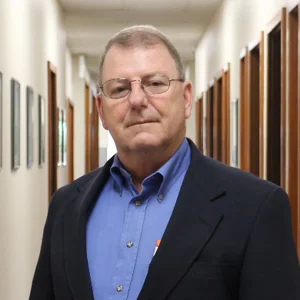
Charles W. Vivian started at Inductotherm Corp. in Rancocas, NJ in 1975, working as a mechanic on the manufacturing floor. However, in 1980, he moved from manufacturing to the Sales Department.
In 1990, Charles was promoted to District Manager. During his years as District Manager, he covered Mexico, Michigan, the Midwest States and Ontario, Canada. His work took him to all types and sizes of melt shops, including foundries, vacuum casting suppliers, ingot makers, shot makers, recycling operations, precious metal refiners and other scrap reclaiming operations. Charles was promoted to Sales Manager-NAFTA Region in 2017. Currently he is Director of Light Metal Applications and Special Projects.
AlCircle: Being a producer of foundry equipment, how far do you think the use of technology has advanced in the aluminium foundry sector?
Mr. Charles W. Vivian: The use of technology, in its different forms, has grown in the aluminium foundries as it has in other metal melting foundries. The topic of environmental technologies is being discussed and regulated more and more.
In our role as an induction melting furnace manufacturer, we are focusing on high efficiency direct electric crucible furnaces, which are ideal for die-casting stations and sand mold castings. On the other end of the scale, there are induction Hybrid™ furnaces for large volume applications that are lloT-ready for advanced diagnostic and analytics that can be reviewed on-demand. This information can paint a detailed picture of the entire day’s production from energy consumption to the utilization of the equipment. One can pinpoint the exact time and duration of when the equipment was not operating, and the circumstances of the events associated with that period.
AlCircle: Do you think the global aluminium foundries still face challenges in terms of technology? How do you think they can overcome those challenges?
Mr. Charles W. Vivian: The challenge will be available technologies that will meet their process requirements while at the same time minimizing or reducing their carbon footprint. The challenges may be overcome by the implementation of direct electric or induction hybrid-type furnaces.
AlCircle: What key role is technology playing in the aluminium foundry sector keeping in mind sustainability, low-carbon emissions, and workers safety?
Mr. Charles W. Vivian: Most of the furnaces used for melting aluminium around the world are gas and oil-fueled furnaces. As a result, tremendous amounts of carbon dioxide are dissipated into the air adversely affecting the environment.
There are, however, melting furnaces in the marketplace that melt aluminium at a very high rate of melting efficiency with very low metal losses, and most importantly do not generate carbon dioxide. These furnaces are known as induction melting furnaces. Most experts in the metals industries are familiar with induction melting furnaces. These furnaces were predominantly used for melting iron and steel; and are very good for melting lower temperature metals such as aluminium as well.
AlCircle: How do you foresee the aluminium foundry industry ahead of 2022?
Mr. Charles W. Vivian: With the ongoing trend for high efficiency and lighter-weight vehicles and machines, I can only believe that all the products/castings that are transitioning to aluminium and other lightweight materials will continue to grow for many years to come. Investment in better technologies will be key in receiving your share of the growth.
AlCircle: What new opportunities do you think the aluminium foundry industry will create in the next one year?
Mr. Charles W. Vivian: For one, we will see more jobs in the light metal field.
AlCircle: What new technologies are you inventing for aluminium casting facilities?
Mr. Charles W. Vivian: We are currently producing highly automated “just in time” melting/casting cells for die casting, sand casting, permanent mold and investment casting. These cells use induction furnaces that can operate continuously 24/7 to keep pace with all the new aluminium castings eliminating the need for large, centralized, low-efficiency reverb furnaces.
AlCircle: Which industry do you think will drive the business of global aluminium foundry in 2022?
Mr. Charles W. Vivian: Currently, the EV car and truck industry is growing in addition to the aircraft industry. They will likely have the largest effect on the global aluminium foundry.
Most of the iron and steel castings that were traditionally required for the automotive and truck industry will now be replaced with aluminium castings, aluminium body panels and aluminium chassis. Such an influx of new aluminium components to the industry is going to require some development to master all these new casting designs.

