19 DECEMBER 2013agmetalminer.com
How will quantitative easing hit 2014 aluminum price forecast?
Edited by : AL CIRCLE
2 min read

So much for supply side of our Aluminum Outlook 2014 honestly, supply will likely continue to outstrip real demand for some years to come, never mind just in 2014 – but we couldn’t touch on demand in the aluminum market without including the stock and finance trade.
It is this activity more than any other that has created the circumstances allowing warehouse operators to offer massive incentives to store metal in their warehouses, distorting the physical delivery premiums.
Load-out rates have played a significant part as they have created a guaranteed minimum return for warehouse operators, sustaining the model; but without the stock and finance game, it is hard to see where the demand to store metal in such massive volumes would have come from.
Threats to this model are probably the biggest threat to the aluminum price next year.
Currently, the model has never looked so good. Interest rates have remained low; the forward contango on the LME has actually strengthened, creating a larger profit margin between spot and forward prices; and by moving off-market, storage costs can be reduced with the added incentive that inventory is less likely to be impacted by regulatory changes on the official exchange warehouse system in the future.
So what could change this seemingly never-ending black hole for surplus aluminum?
Well, an eventual tapering and unwinding of quantitative easing will likely reduce liquidity in the financial system and raise the cost of money. The mere suggestion that QE may end caused near-panic in the financial system earlier this year, so when it starts in 201, expect considerable volatility as investors juggle developments to discern the likely impact.
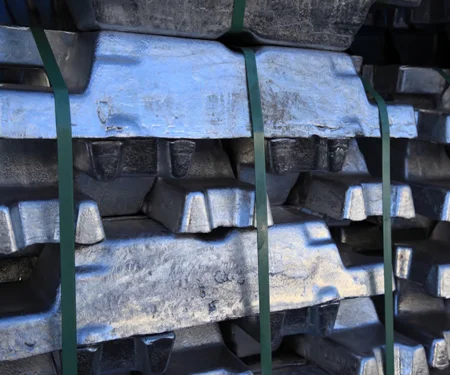
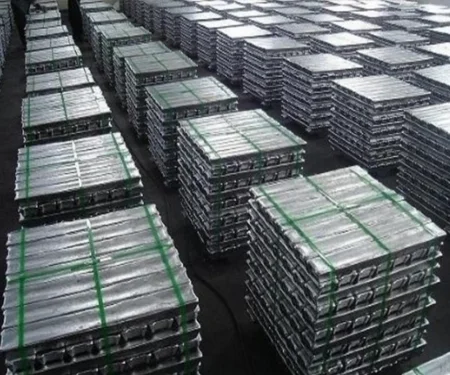
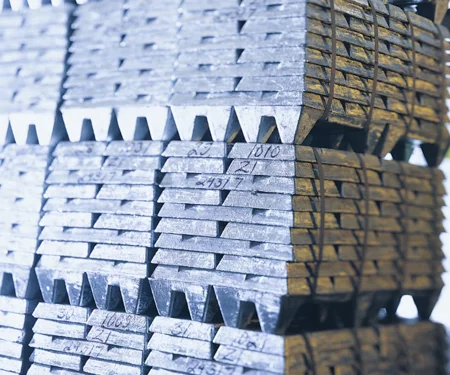
So far the stock and finance model has acted like an alternative physical market, soaking up over a million tons per year of production. When the economics of this model unwind, that will be a lot of surplus production for the market to absorb before we even consider the 10-15 million tons of exchange and off-market inventory sitting in the system that will eventually mature and look for a home.
It is this activity more than any other that has created the circumstances allowing warehouse operators to offer massive incentives to store metal in their warehouses, distorting the physical delivery premiums.
Load-out rates have played a significant part as they have created a guaranteed minimum return for warehouse operators, sustaining the model; but without the stock and finance game, it is hard to see where the demand to store metal in such massive volumes would have come from.
Threats to this model are probably the biggest threat to the aluminum price next year.
Currently, the model has never looked so good. Interest rates have remained low; the forward contango on the LME has actually strengthened, creating a larger profit margin between spot and forward prices; and by moving off-market, storage costs can be reduced with the added incentive that inventory is less likely to be impacted by regulatory changes on the official exchange warehouse system in the future.
So what could change this seemingly never-ending black hole for surplus aluminum?
Well, an eventual tapering and unwinding of quantitative easing will likely reduce liquidity in the financial system and raise the cost of money. The mere suggestion that QE may end caused near-panic in the financial system earlier this year, so when it starts in 201, expect considerable volatility as investors juggle developments to discern the likely impact.
So far the stock and finance model has acted like an alternative physical market, soaking up over a million tons per year of production. When the economics of this model unwind, that will be a lot of surplus production for the market to absorb before we even consider the 10-15 million tons of exchange and off-market inventory sitting in the system that will eventually mature and look for a home.
Previous article
Noranda Aluminum cuts 7 percent of workforce
Next articleOrmet starts selling off machines, raw materials
Grow with
AL Circle