





When people discuss sustainable construction, the conversation often revolves around energy systems, smart technologies and renewable power. Yet one material has quietly enabled some of the world’s most influential green buildings for decades: Aluminium.
When aluminium is discussed in architecture, attention often focuses on sleek façades and contemporary building designs. However, the material’s true value extends far beyond appearance.
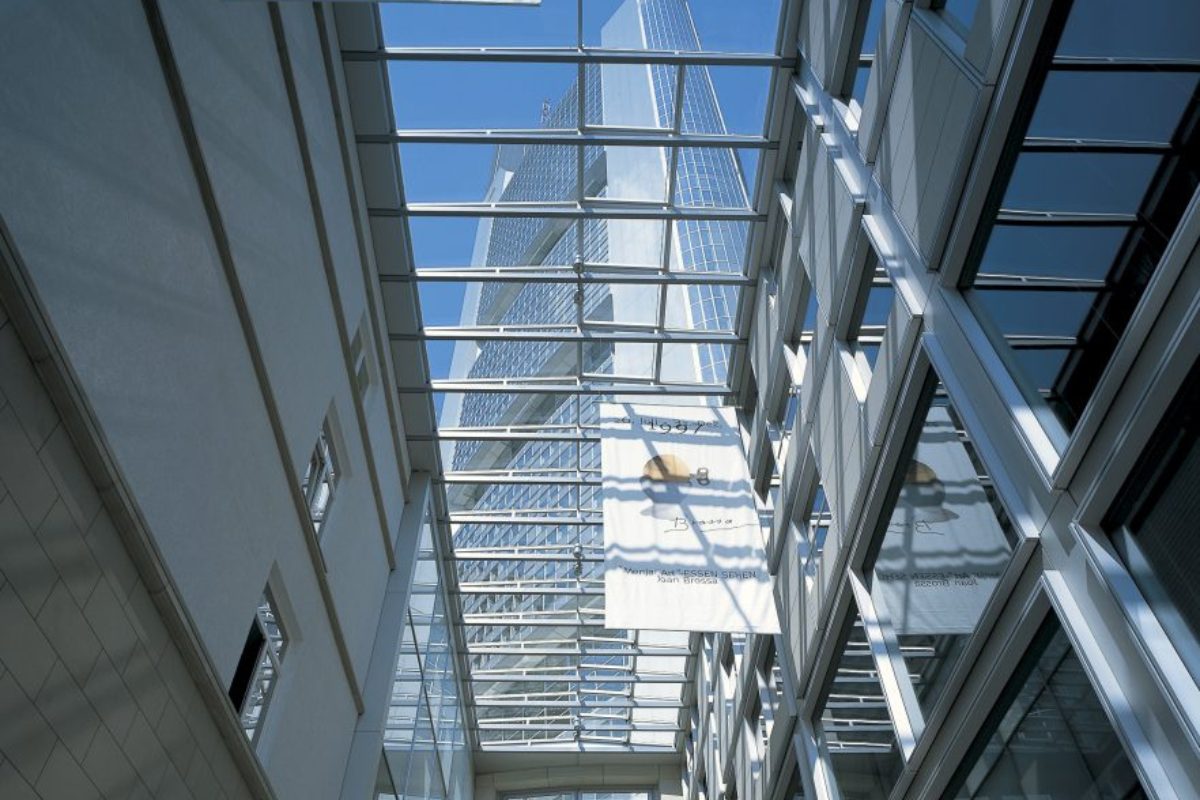
The Commerzbank Tower in Frankfurt illustrates this perfectly. Recognised as one of the world’s pioneering ecological skyscrapers, the building combined environmental thinking with advanced engineering long before sustainability became an industry benchmark.
Project at a glance
- Location: Frankfurt, Germany
- Architect: Foster + Partners
- Completion year: 1997
- Height: 259 metres
- Known for: One of the world’s first ecological skyscrapers
Engineering sustainability into the skyline
The tower’s triangular design, internal atrium and sky gardens were developed to maximise daylight access and natural air circulation. These features helped reduce energy consumption while improving workplace comfort.
To support such an ambitious concept, materials needed to deliver both performance and flexibility.
Aluminium answered that challenge through its ability to support lightweight yet durable façade systems capable of accommodating large glass surfaces and complex architectural forms.
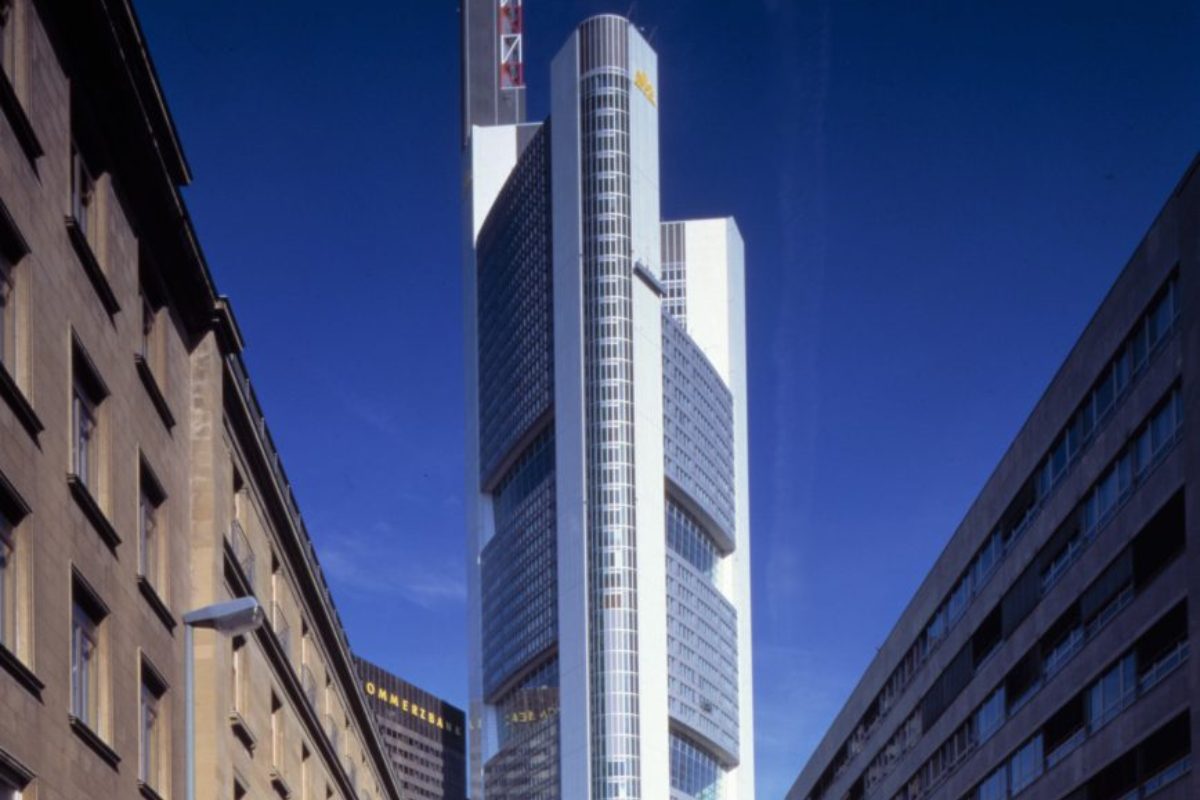
Image source: Alustory
A material aligned with modern priorities
Today’s building developers are under pressure to improve energy efficiency, lower lifecycle emissions and extend asset longevity.
Aluminium addresses all three objectives. Its corrosion resistance supports long service life, while its recyclability aligns with circular economy goals increasingly adopted across the construction sector.
Why this matters for industry
Projects like the Commerzbank Tower demonstrate that aluminium’s value is not limited to reducing weight in transport applications or improving packaging sustainability.
In the built environment, aluminium helps create structures that perform better, last longer and contribute to environmental objectives.
Building for decades, not years
One of the strongest sustainability arguments for aluminium lies in longevity.
Nearly thirty years after completion, the tower continues to function as a benchmark for environmentally conscious commercial architecture. That longevity reflects both design excellence and material performance.
Lessons for modern construction
Today’s architects face growing pressure to reduce operational emissions and improve resource efficiency.
The Commerzbank Tower demonstrates that these goals are not achieved through technology alone. Material selection remains equally important.

 Voyagerman Technology


