China aluminium rebounds as off-season demand defies expectations; tight supply to support August gains
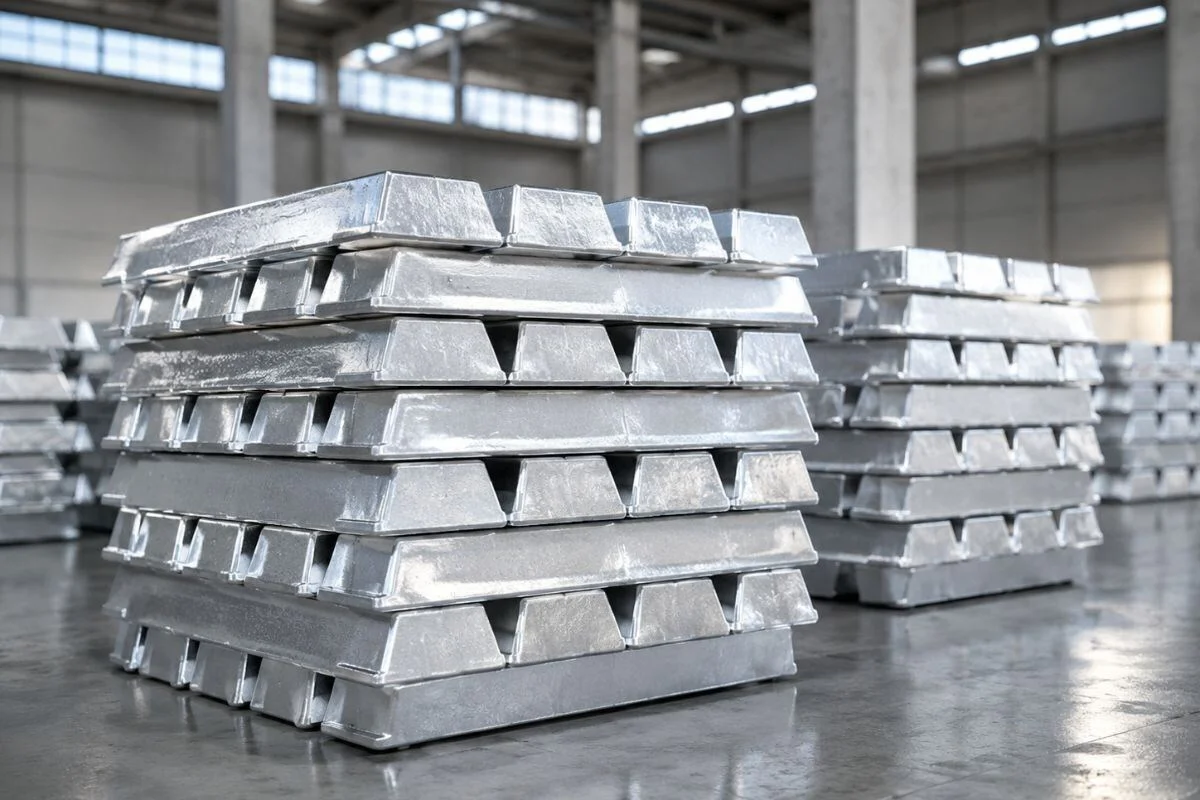
The image used in this article is generated with an AI tool and does not depict any real-time moment
Mysteel's price assessment showed that China's aluminium prices demonstrated a clear recovery trend entering July 2026. On one hand, the previous oversold conditions provided technical momentum for a rebound; on the other, fundamentals offered robust support. During the price correction phase, the destocking of aluminium ingots accelerated markedly, as downstream enterprises actively replenished inventories at lower levels. This concentrated release of demand effectively neutralised downward price pressures, jointly driving the stabilisation and rebound of aluminium prices throughout July.
On the supply side, Mysteel's full-sample survey of Chinese primary aluminium producers indicates that China's primary aluminium production in July 2026 came in at 3,878,700 tonnes, representing a year-on-year increase of 2.79 per cent and a month-on-month rise of 3.47 per cent. The average daily output for July was 125,100 tonnes, a marginal month-on-month increase of 100 tonnes based on 31 production days. In July, the operating capacity expanded slightly. The commissioning of new capacity and the resumption of idled lines in Northwest and North China have largely concluded, while production in other regions remained stable with limited fluctuations.
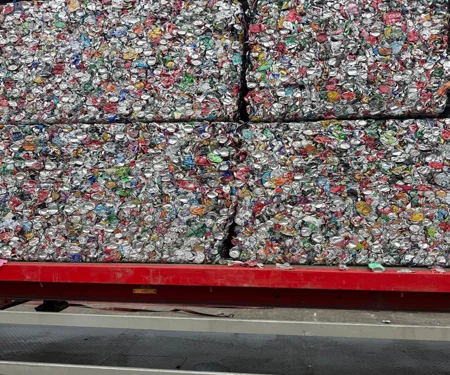
With regard to scrap supply, the average spread between primary aluminium and aluminium scrap in July was RMB 504 per tonne, widening by RMB 22 per tonne from June, per Mysteel assessment. Despite the consumption off-season weighing on overall downstream demand, the earlier sharp price drop prompted scrap traders to become increasingly reluctant to sell, leading to temporary tightness in scrap supply.
Explore primary aluminium suppliers, product listings and trade opportunities on AL Biz
As aluminium prices rebounded from lows in July, scrap prices followed with a modest increase. Market circulation improved, and traders showed greater willingness to sell at higher prices. Downstream enterprises primarily adhered to just-in-time procurement strategies, though some firms with depleted inventories and tight supply actively sourced material at firm prices to ensure deliveries.
In terms of demand, domestic production of primary aluminium semis maintained a steady growth trajectory in July. Mysteel data reveals that the weekly average output of aluminium billets increased by 1.05 per cent month-on-month, while inventories continued to draw down, with finished goods stocks at billet plants falling by 0.72 per cent month-on-month by the end of July.
Yet, performance varied across semi-segments. Aluminium bar production remained elevated with a slight month-on-month increase amid alternating plant maintenance and restarts. However, downstream profile makers were hampered by high temperatures, leading to temporary production cuts at some smaller enterprises; consequently, weak end-market demand exerted downward pressure on aluminium bar processing fees.
Aluminium rod output continued to climb due to the ramp-up of new production lines and the scheduling of existing backlogs, despite the narrowing export margins cooling new export orders.
The cast-rolled coil and slab sector operated stably, though divergence between enterprises persisted; smaller players curtailed output due to insufficient orders and cost pressures, whereas large enterprises leveraged customer resources and cost advantages to maintain high operating rates and superior sales performance.
Examining the end-market demand structure, a clear divergence remained evident, characterised by a mild recovery in traditional sectors and sustained strength in emerging fields. Demand for architectural profiles declined sharply amid sluggish real estate starts and low construction site activity caused by extreme heat, acting as the primary drag on traditional sectors.
Conversely, the automotive and lightweighting segment maintained robust growth; the rising penetration rate of electric vehicles drove a steady increase in aluminium usage per vehicle, keeping orders for automotive aluminium products stable and ample.
The photovoltaic sector benefited from the gradual ramp-up of domestic utility-scale projects, lifting module manufacturers' operating rates, while energy storage continued to lead demand growth with strong performance in battery foil demand.
Exports of aluminium materials and products remained resilient, supported by existing order backlogs. In summary, despite the headwinds from traditional sectors during the off-season and a weak property market, demand held up relatively well, supported by resilient consumption from emerging sectors including automotive lightweighting, photovoltaics, and energy storage, coupled with sustained export growth.
Domestic aluminium destocking accelerated in July. According to Mysteel, as of July 30, the traders' inventory of aluminium stood at 931,000 tonnes, down 229,000 tonnes month-on-month. Regarding supply structure, the proportion of molten aluminium directly supplied to fabricators continued to rise, reaching 77.92 per cent in July, up 2.37 percentage points month-on-month. This significant increase in molten aluminium usage led to a sharp reduction in the volume of cast ingots, thereby curtailing inbound shipments to traders. Although outbound shipments decreased month-on-month, they remained elevated year-on-year, sustaining the destocking trend.
Meanwhile, aluminium smelters' in-plant aluminium inventories increased by 15,000 tonnes month-on-month to 70,000 tonnes. For aluminium bars, traders' inventories fell by 9,000 tonnes month-on-month to 127,000 tonnes, also hovering at historically low levels. However, the off-season and high temperature affected profile plants' operating rates, weakening downstream processing demand and constraining further destocking of aluminium bars.
Also, by the end of July 2026, SHFE aluminium ingot warrants had fallen by 118,700 tonnes from the end of June to 320,200 tonnes. Based on Mysteel's comprehensive analysis of July's primary aluminium supply, demand, and changes in trader and producer inventories of aluminium ingots and bars, a theoretical supply gap of approximately 244,000 tonnes is estimated for the month.
Looking ahead to August, the fundamental support for aluminium prices is set to strengthen further, complemented by improving macro sentiment, pointing to a continued upward price trajectory. On the macro front, market expectations for a Federal Reserve rate hike in September are cooling, weakening the US dollar and buoying base metals like copper and aluminium. However, attention should be paid to potential volatility surrounding key data releases such as CPI and PPI, as well as recurring geopolitical tensions in the Middle East.
On the supply side, domestic operating capacity for aluminium is nearing its peak, leaving limited room for further increases. Regarding demand, while traditional architectural profiles remain mired in the off-season with weakening operating rates, structural growth drivers including EV lightweighting, accelerating grid investment, energy storage installations, and resilient export chains are expected to sustain overall demand levels, preventing the typical seasonal slump.
In terms of inventory, the high molten aluminium ratio is expected to persist in August, suppressing ingot casting and sustaining the destocking trend. Coupled with LME inventories hitting fresh four-year lows, the global low-inventory landscape provides a solid price floor.
In summary, aluminium prices in August are expected to fluctuate with a bullish bias, with the price center shifting higher compared to July. The SHFE primary aluminium contract is projected to trade within a range of RMB 23,500 per tonne to RMB 24,500 per tonne, with key variables to monitor including the pace of inventory drawdowns.
To know the production, demand and consumption forecasts on bauxite and alumina, explore the report "Global Bauxite & Alumina Market Forecast to 2036: Supply–Demand, Trade Flows & Price Outlook"
Note: This news is published under a content and exchange agreement with Mysteel
Aluminium lifts Maaden’s Q2 revenue 16% amid higher prices and strong regional premiums
Next articlePress Metal sees strong 2026 aluminium market, but 2027 brings fresh supply concerns
Grow with
AL Circle